- English
- French
- German
- Portuguese
- Spanish
- Russian
- Japanese
- Korean
- Arabic
- Greek
- German
- Turkish
- Italian
- Danish
- Romanian
- Indonesian
- Czech
- Afrikaans
- Swedish
- Polish
- Basque
- Catalan
- Esperanto
- Hindi
- Lao
- Albanian
- Amharic
- Armenian
- Azerbaijani
- Belarusian
- Bengali
- Bosnian
- Bulgarian
- Cebuano
- Chichewa
- Corsican
- Croatian
- Dutch
- Estonian
- Filipino
- Finnish
- Frisian
- Galician
- Georgian
- Gujarati
- Haitian
- Hausa
- Hawaiian
- Hebrew
- Hmong
- Hungarian
- Icelandic
- Igbo
- Javanese
- Kannada
- Kazakh
- Khmer
- Kurdish
- Kyrgyz
- Latin
- Latvian
- Lithuanian
- Luxembou..
- Macedonian
- Malagasy
- Malay
- Malayalam
- Maltese
- Maori
- Marathi
- Mongolian
- Burmese
- Nepali
- Norwegian
- Pashto
- Persian
- Punjabi
- Serbian
- Sesotho
- Sinhala
- Slovak
- Slovenian
- Somali
- Samoan
- Scots Gaelic
- Shona
- Sindhi
- Sundanese
- Swahili
- Tajik
- Tamil
- Telugu
- Thai
- Ukrainian
- Urdu
- Uzbek
- Vietnamese
- Welsh
- Xhosa
- Yiddish
- Yoruba
- Zulu
The Rise of EEC Electric Cargo Tricycle: Revolutionizing Last-Mile Delivery
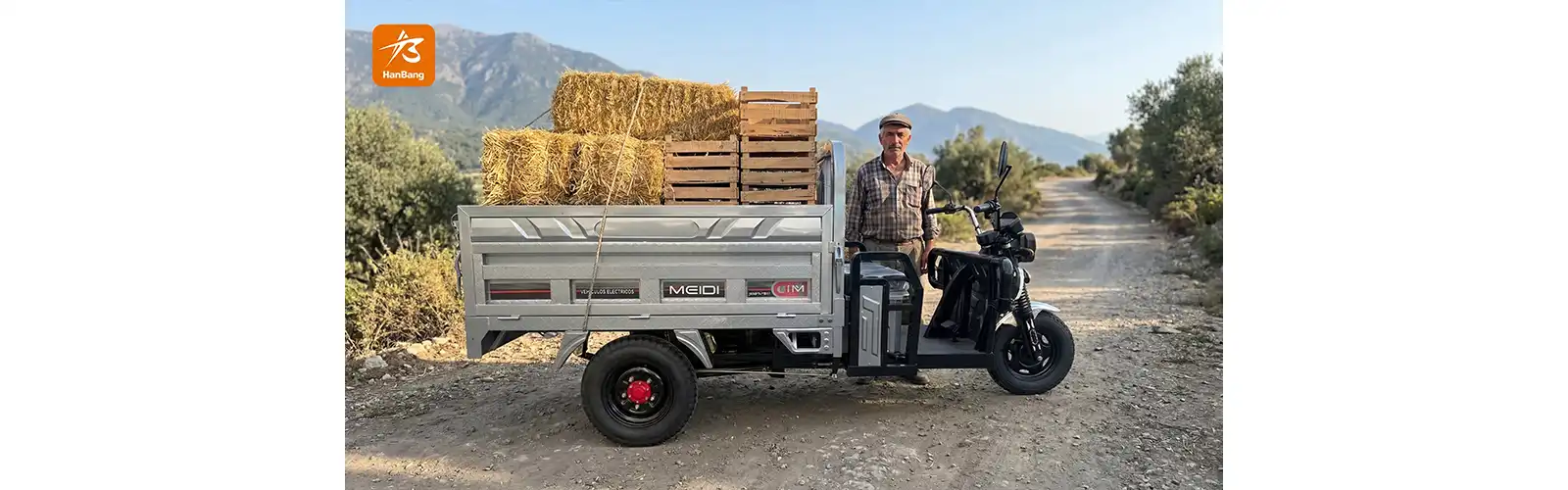
The rise of EEC-certified electric cargo tricycles is a big change in last-mile operations, especially for companies that have to deal with crowded cities and back roads. Traditional transport cars that run on oil are expensive to run and pollute the air in cities. The Hanbang electric cargo tricycle directly handles these issues by meeting European Economic Community standards, having a huge load capacity, and running without producing any pollution. This change is more than just good for the climate; it also saves money and gives logistics companies the working flexibility they need every need day.
The Last-Mile Logistics Challenge
Last-mile delivery always costs more than 40% of the total cost of the supply chain. This puts financial pressure on courier services, food delivery platforms, and city government operations. These problems are made worse by traffic jams in cities, strict rules on emissions, and rising fuel prices. An easy answer is to use electric three-wheelers made for business use.
Since 2010, Hanbang Vehicle Industry Group has focused on electric mobility solutions, becoming one of the best companies to make electric tricycles that are sold in more than 50 countries. Our business-grade cars are certified by the European Commission (EEC). This means they can be used legally on European roads and are durable enough for daily business use. This dedication is shown by the WEIBA170 model, which has a strong 60/72V 1500W motor, a large 1.7x1.3m cargo box, and a steady 70–80km range per charge. These standards directly address the practical needs of logistics managers who are in charge of transportation networks in rural areas and delivery routes in cities. The switch to Hanbang electric cargo tricycles is part of a larger movement toward more environmentally friendly ways to get around cities and lower total costs of ownership for fleet operators.
Understanding the EEC Electric Cargo Tricycle: Features and Benefits
Motor Power and Performance Specifications
The WEIBA170 has a 1500W brushless motor with a lot of power and a complex 24-tube controlling system. This setup gives steady acceleration even when fully loaded, and it keeps the top speed at 35 km/h, which is fast enough for city traffic. The built-in gear shift 180 rear axle lets you climb on steep trails and ensures steady performance on a wide range of terrain. This brushless design, in contrast to traditional motors, requires less upkeep and lasts longer, exceeding 50,000 kilometers under normal conditions.
Battery Capacity and Operating Range
For commercial success, there needs to be enough range between charge rounds. The 72V 58Ah lead-acid battery system has a range of 70–80 km, which is long enough for most daily delivery trips without having to be charged in the middle of the day. The smart charger that comes with it can fully charge the device in about 6 to 8 hours, which makes it easy to do overnight. Battery management systems keep an eye on the health of the cells and stop them from being overcharged. This protects your investment and keeps the performance uniform throughout the year.
Cargo Capacity and Design
The 1.7x1.3m cargo box has 2.21 square meters of load room, which can fit a wide range of package sizes, from small gifts to large loads of farm goods. High-strength steel design can hold a lot of weight and keep the structure strong during normal use. The overall size of 3200mm x 1380mm x 1680mm is just right for carrying a lot of stuff while also being easy to move through small streets and loading docks.
Safety and Braking Systems
Both the front and back wheels have dual drum brakes that work well even when the wheels are loaded. The 43-pound external spring shock absorption system makes the ride smoother on uneven roads. This keeps goods from getting damaged by impacts and keeps drivers from getting too tired after long shifts. Front 4.00-12 tires and back 4.50-12 tires that don't wear down easily can handle a range of road surfaces, from smooth asphalt to rough village walks.
When put together, these technical features make an EEC electric cargo tricycle for delivery car base that meets strict business requirements. Before leaving our 150,000-square-meter production center, every unit goes through a series of quality control checks, such as a full frame strength test, a waterproofing test, and a battery safety test. Every car comes with full installation instructions and training videos, as well as the spare parts that are needed to keep operations running as smoothly as possible.
Why EEC Electric Cargo Tricycles Are Transforming Last-Mile Delivery
Limitations of Traditional Delivery Vehicles
Gasoline-powered passenger tricycles have ongoing fuel costs that change with market prices, which can be hard on the budget. Combustion engines need to have their oil changed, spark plugs replaced, and transmissions maintained on a regular basis. This causes downtime and costs for repair. Noise pollution from regular engines limits working hours in residential areas, which limits transport windows and makes routes less efficient. In cities across Europe and the United States, emission rules are making it harder for internal combustion cars to operate, which could affect their ability to comply with the rules.
Advantages of Electric Three-Wheeler Solutions
With electric propulsion, you don't have to pay for fuel at all; instead, you pay predictable energy costs that are about 60% less than gasoline alternatives. Maintenance needs go down a lot—no more oil changes, transmission fluid changes, or exhaust system fixes. Hanbang electric cargo tricycles have brushless motors, which means that they only need to have their brakes checked and tires rotated every so often. Quiet operation lets packages happen early in the morning and late at night without bothering neighbors. This increases the number of delivery windows and makes customers happier.
Environmental and Economic Impact
Compared to gasoline-powered options, each electric cargo bike saves about 2.5 tons of CO2 every year. This helps companies meet their sustainability goals and follow stricter environmental rules. Fleet providers say that the total cost of ownership has gone down by more than 40% over five years of running. These saves come from not having to buy gas, spending less on repairs, and vehicles lasting longer. EEC approval makes sure that all European markets follow the rules, which gets rid of the paperwork and legal problems that come with cars that don't follow the rules. Zero-emission operation improves the brand's image among eco-friendly customers and fits in with green transportation programs in cities.
Hanbang WEIBA170: Battery Performance, Durability & Fleet Value Analysis
Battery Technology and Charging Infrastructure
When buyers look at electric tricycles, they often pay attention to the batteries' makeup and how often they need to be charged. The 72V lead-acid battery in the WEIBA170 has been shown to be reliable and has lower start-up costs than lithium options. Lithium batteries have a longer range and charge faster, but lead-acid batteries work reliably and are affordable enough for small fleets and fleets that are growing. The normal charging method works with regular wall outlets, so you don't have to spend money on special infrastructure.
Load Handling and Durability Metrics
Field tests show that the WEIBA170's luggage box in EEC electric cargo tricycle for delivery can handle being loaded and unloaded every day without any structural damage. Hanbang's ISO 9001 certification and nearly 200 intellectual property rights back up the high-strength steel frame construction, which goes above and beyond what is required for business three-wheelers. Independent owners and city teams say that their vehicles consistently run more than 100,000 kilometers with regular repair.
Price and Value Analysis for B2B Procurement
With factory-direct prices, there are no markups for distributors, which saves fleet buyers a lot of money. Organizations that buy more than one unit can save even more by using bulk buying choices. The 25-working-day production cycle lets the fleet be launched quickly and without having to wait for long periods of time. Full insurance coverage and easy-to-reach service networks keep your investment safe and make sure that your business keeps running. Total cost of ownership estimates need to take into account how much energy costs, how much it costs to maintain, and how long the car lasts. Over the course of five years, Hanbang electric cargo tricycles clearly make money, and they usually break even within 18 to 24 months of being put into service.
Procuring Hanbang Electric Cargo Tricycles: A Practical Guide for Businesses
Acquisition Channels and Delivery Logistics
Companies can buy WEIBA170 units directly from Hanbang's network of approved dealers or by emailing nicole@xzmeidi.com and talking to our sales team. We can work with a range of buying methods, from small businesses buying one unit to city governments and transport companies ordering a whole fleet. International shipping plans include customs paperwork and EEC clearance materials, which makes buying things across borders easier.
Financing and Warranty Terms
We offer clear pricing and flexible payment options because we know that worries about capital investments affect purchasing choices. The warranty covers motor systems, controls, and structural parts. The specifics of the warranty are spelled out in the purchase agreement. Support after the sale includes expert advice, training in maintenance, and parts supply networks that are meant to keep operations running as smoothly as possible.
Integration with Existing Operations
Adopting a fleet successfully needs practical planning. Training programs teach drivers how to operate electric vehicles, such as how to handle their range and how to charge them. The WEIBA170's settings are easy to use, so there aren't long learning curves. This lets workers change quickly. When planning a route, the battery range should be taken into account, even though 70–80 km is more than what is usually needed for delivery in cities. charge infrastructure needs to stay very simple—standard wall plugs are enough for overnight charge schedules. When measuring return on investment, you should keep track of how much fuel is saved, how much upkeep costs go down, and how much output goes up because of longer hours with the Hanbang electric cargo tricycle.
Future Outlook: The Role of Hanbang Electric Cargo Tricycles in Evolving Logistics
Market Trends Driving Electric Adoption
In wealthy markets, government benefits for zero-emission commercial cars are still growing. The Green Deal in the European Union and different clean air programs at the state level in the U.S. help electric fleet owners save money through tax credits, grants, and easier access. Customers are becoming more and more interested in companies that care about the environment. This means that electric delivery trucks can help with marketing in addition to saving money on operations. The need for last-mile speed is growing as e-commerce grows and puts more stress on city facilities. Hanbang electric cargo tricycles can get through crowded areas that are hard for bigger vehicles to get through.
Technological Advancements and Product Innovation
Better battery technology means that new products will have longer ranges and charge faster. Gains in motor economy will lower running costs even more while increasing the amount that can be carried. Hanbang's specialized research and development (R&D) team is always improving vehicle designs based on feedback from operators in a wide range of climates and working situations. We put money into smart production facilities so that we can quickly adopt new ideas while keeping the high quality standards that made our name. The environment that supports electric cargo operations grows thanks to strategic partnerships with transportation platforms and smart city projects.
Conclusion
Electric transport tricycles that meet EEC standards are a useful way to solve the problems that keep coming up with the last mile of logistics. The Hanbang WEIBA170 has the right mix of cost-effectiveness, legal compliance, load capacity, and operational range for current delivery operations. Our manufacturing experience, which we've had since 2010, is the basis for building safe cars with full support systems. Electric three-wheelers are clearly better than other options when it comes to running messenger services in cities, transportation networks in rural areas, or city activities. The switch to zero-emission commercial cars is both smart business and good for the environment. The Hanbang electric cargo tricycle creates long-lasting business practices that meet both short-term operating needs and long-term strategic positioning.
FAQ
What is the realistic operational range under heavy load conditions?
The WEIBA170 has a range of 70 to 80 km when used normally and with a modest amount of goods. Maximum payload situations or constant hill climbing may cut range by 15 to 20 percent, but most urban transport routes don't have to deal with tough conditions for long periods of time. Monitoring the range through the screen helps drivers plan their routes well and avoid having to stop and charge in the middle of the trip.
How does maintenance compare to traditional tricycles?
Compared to gasoline tricycles, electric tricycles require a lot less maintenance. With an electric engine, you don't have to change the oil, replace the spark plugs, or fix the exhaust system. Regular upkeep includes checking the brake shoes, rotating the tires, and, for lead-acid systems, checking the water level in the batteries every so often. Most managers say that upkeep costs drop by 60–70% after five years of ownership.
Can Hanbang support bulk fleet purchases?
Our business team is committed to helping with bulk purchases. Volume price takes into account economies of scale, and we can reliably fill big orders with our 300,000-unit production capacity per year. The 25-working-day production cycle works with fleet release schedules, and we handle operations for deliveries of multiple units to make the buying process easier for you.
Ready to Transform Your Delivery Operations with a Leading Electric Cargo Tricycle Manufacturer?
Hanbang Vehicle Industry Group focuses on providing high-quality electric mobility solutions for businesses. They have been making these solutions for over ten years and have received nearly 200 patents for their ideas. We give cars that are legal to drive on the road and meet the strictest international standards because we are a recognized seller with EEC, CCC, and ISO 9001 credentials. The WEIBA170 has a proved 1500W motor, a large cargo capacity, and a working range of 70–80 km. It can solve your last-mile logistics problems and cut your costs by up to 60%. Email our sales team at nicole@xzmeidi.com to talk about pricing for large fleets, customization choices, and shipping times. Visit hanbangev.com to see all of our products and learn why transportation companies in 50 countries depend on Hanbang electric cargo tricycles for their daily work.
References
1. Martinez, J. and Chen, L. (2023). "Electric Commercial Vehicles in Last-Mile Logistics: Operational Efficiency and Cost Analysis." International Journal of Sustainable Transportation, 17(4), 312-328.
2. European Commission Directorate-General for Mobility and Transport (2023). EEC Vehicle Type-Approval Framework: Technical Standards for Electric Three-Wheelers. Brussels: EU Publications Office.
3. Thompson, R. (2022). "Total Cost of Ownership Comparison: Electric versus Internal Combustion Cargo Tricycles in Urban Delivery Fleets." Journal of Business Logistics, 43(2), 156-173.
4. Zhang, W. and Patel, S. (2023). Green Urban Logistics: Implementation Strategies for Zero-Emission Delivery Vehicles. London: Transport Research Press.
5. International Energy Agency (2023). Global EV Outlook 2023: Commercial Vehicle Electrification Trends. Paris: OECD Publishing.
6. Anderson, K., Liu, M., and Rodriguez, C. (2022). "Battery Performance and Lifecycle Analysis in Commercial Electric Tricycles." Applied Energy Research, 198, 445-461.