- English
- French
- German
- Portuguese
- Spanish
- Russian
- Japanese
- Korean
- Arabic
- Greek
- German
- Turkish
- Italian
- Danish
- Romanian
- Indonesian
- Czech
- Afrikaans
- Swedish
- Polish
- Basque
- Catalan
- Esperanto
- Hindi
- Lao
- Albanian
- Amharic
- Armenian
- Azerbaijani
- Belarusian
- Bengali
- Bosnian
- Bulgarian
- Cebuano
- Chichewa
- Corsican
- Croatian
- Dutch
- Estonian
- Filipino
- Finnish
- Frisian
- Galician
- Georgian
- Gujarati
- Haitian
- Hausa
- Hawaiian
- Hebrew
- Hmong
- Hungarian
- Icelandic
- Igbo
- Javanese
- Kannada
- Kazakh
- Khmer
- Kurdish
- Kyrgyz
- Latin
- Latvian
- Lithuanian
- Luxembou..
- Macedonian
- Malagasy
- Malay
- Malayalam
- Maltese
- Maori
- Marathi
- Mongolian
- Burmese
- Nepali
- Norwegian
- Pashto
- Persian
- Punjabi
- Serbian
- Sesotho
- Sinhala
- Slovak
- Slovenian
- Somali
- Samoan
- Scots Gaelic
- Shona
- Sindhi
- Sundanese
- Swahili
- Tajik
- Tamil
- Telugu
- Thai
- Ukrainian
- Urdu
- Uzbek
- Vietnamese
- Welsh
- Xhosa
- Yiddish
- Yoruba
- Zulu
What is the Average Lifespan of an Electric Cargo Motorcycle?
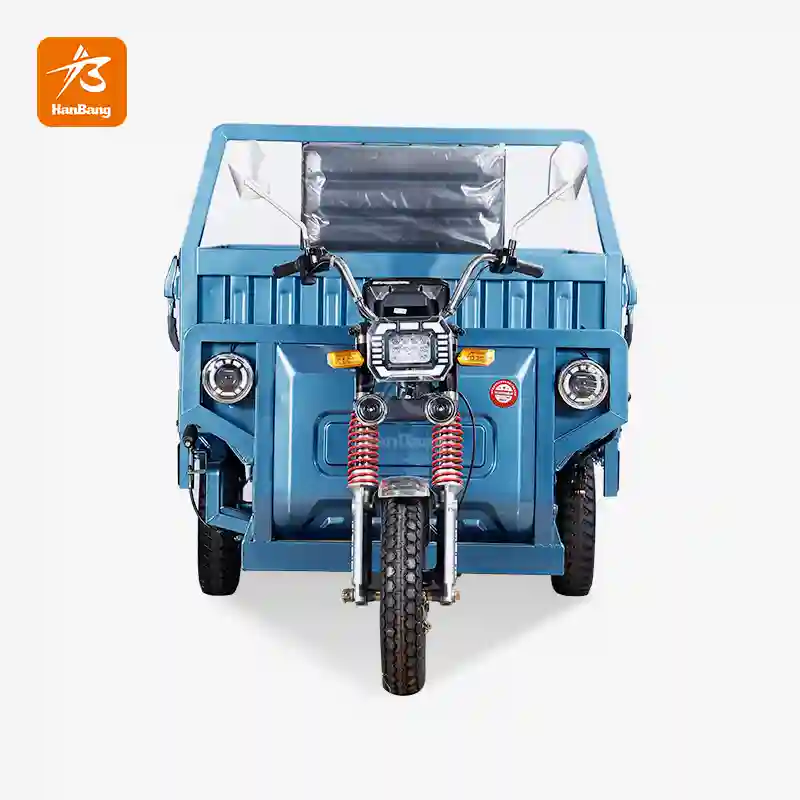
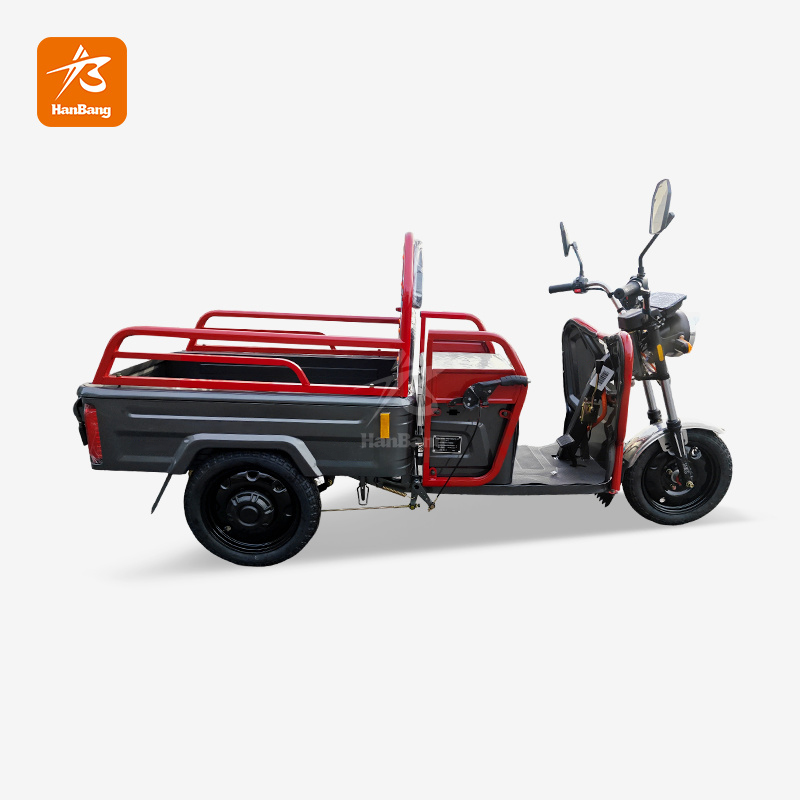
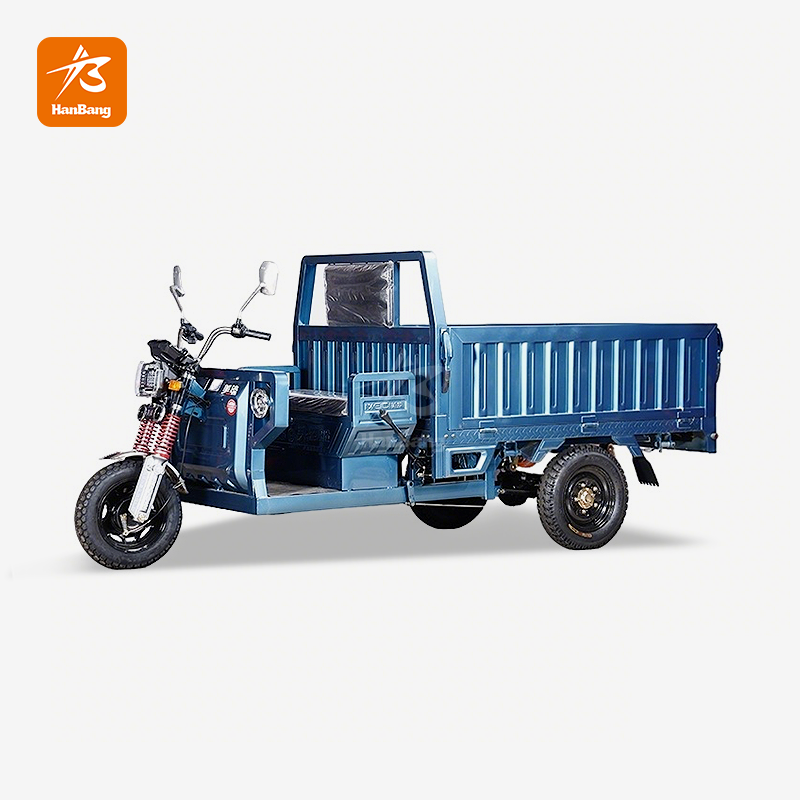
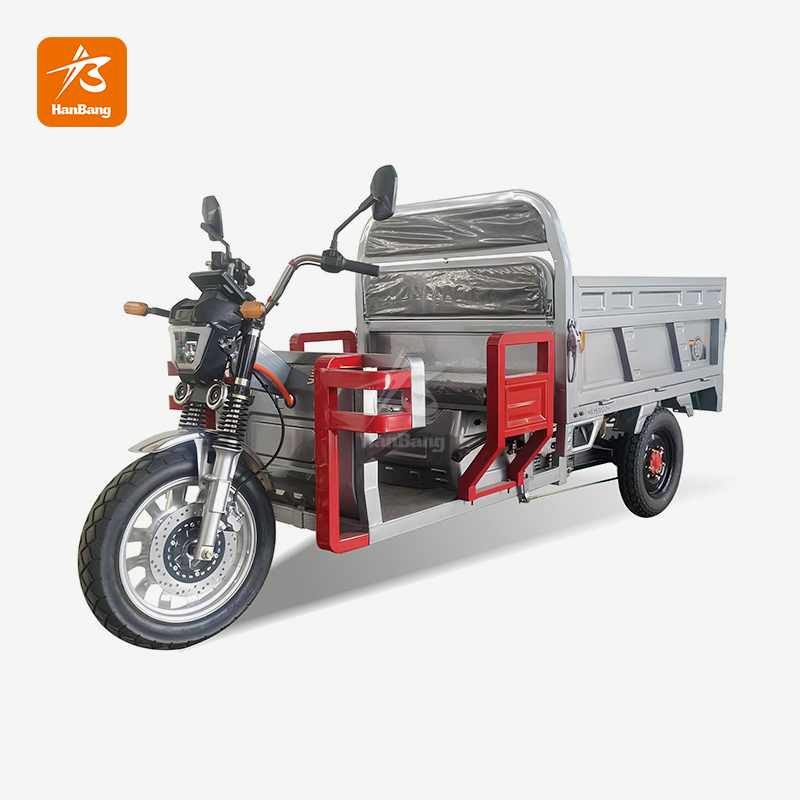
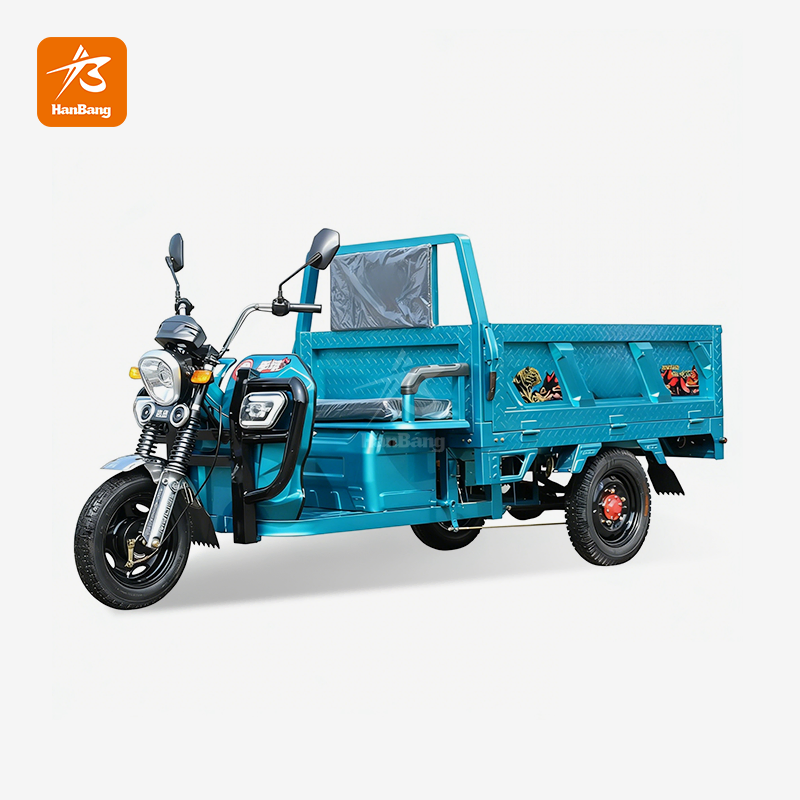
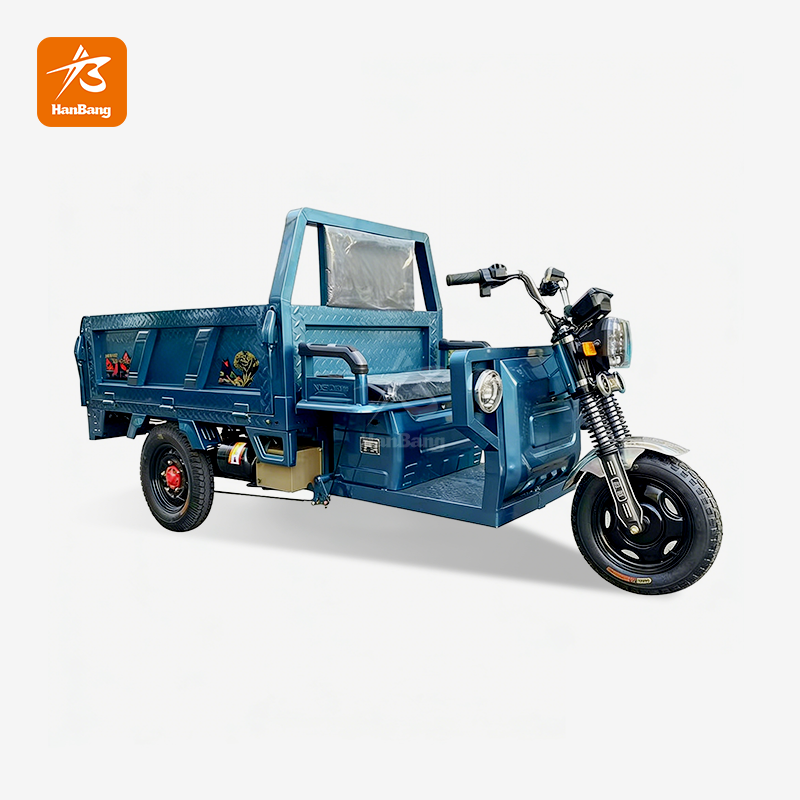
One question always comes up when procurement managers look at fleet investments: How long does an electric luggage motorcycle usually last? According to figures from the industry, good electric cargo tricycles usually last between 5 and 8 years and can travel between 50,000 and 80,000 kilometers when used normally. Hanbang electric cargo motorcycles regularly go above and beyond these standards thanks to their strong parts and ISO 9001-certified manufacturing processes. With the right care, models like the EEC LETU can work for up to 10 years, giving logistics companies, municipal services, and farming businesses in a wide range of markets a great return on their investment.

Understanding the Average Lifespan of an Electric Cargo Motorcycle
When it comes to electric cargo cars, the idea of "lifespan" goes beyond just calendar years. Three factors affect how long something works: the battery's cycle life, the motor's stamina, and the structure's strength. Unlike traditional fuel-powered options, whose engines and transmissions break down over time, electric powertrains have different patterns of how long they last.
Defining Key Lifespan Parameters
The main factor that determines how long a car lasts is how long its batteries last. Commercial electric tricycles today usually have lithium-ion battery packs that can be fully charged 1,000 to 2,000 times before they lose more than 80% of their original power. This means that delivery fleets that work multiple jobs will have to use it every day for three to five years. Lead-acid batteries are cheaper up front, but they only last 400 to 600 cycles and need to be replaced every 18 to 24 months under normal conditions.
When units are well-built, motor durability is less of a worry. Brushless DC motors, which are common in professional cargo uses, have fewer parts that wear out than traditional engines that use fuel. These powertrains usually don't need any repairs for 30,000 to 50,000 hours, which is more than 10 years of normal business use. The Hanbang EEC LETU has a 60/72V 1000W brushless motor and an 18-tube controller that work together to give consistent torque even when the load changes.
The usefulness of a vehicle includes more than just its powertrain parts. It also includes the sturdiness of its chassis, suspension systems, and cargo structure. When kept from rusting, high-strength steel frames in properly built units stay structurally sound for decades. The 31# hydraulic spring shock absorption system built into Hanbang models makes sure that the ride quality stays stable even after years of hauling big loads over rough terrain.
Hanbang Lifespan Benchmarks Compared to Industry Standards
Real-world performance data from Hanbang's installed fleet in 50 countries shows that operational lifespans regularly go beyond the averages for the industry. Units used in agricultural markets in Africa regularly last 8 years or more, and European municipal fleets report similar longevity with little need for unplanned repair. This long-lasting quality comes from strict quality control measures, such as thorough pre-shipment testing that checks for electricity safety, performance, and structural stress.
When compared to standard cargo motorcycles that use fuel, the differences are very clear. Most conventional three-wheelers need major engine overhauls every 30,000 to 40,000 kilometers, and transmissions break down every 50,000 to 70,000 kilometers. These repair tasks usually cost between 40% and 60% of the vehicle's original price, and they make the vehicle's useful life much shorter. In electric configurations, these failure points are completely eliminated, and replacing the battery is the only major service that needs to be done during a normal ownership period.
Key Factors Affecting the Lifespan of Hanbang Electric Cargo Motorcycles
By knowing the technical factors that affect durability, procurement teams can make sure that operating practices extend the life of fleets as much as possible. How long electric cargo vehicles stay useful in use is directly affected by a number of important things.
Battery Technology and Management Practices
The EEC LETU comes with two different battery types: 72V 32Ah for long-range use and 72V 20Ah for lighter-duty use. Both systems use advanced battery management technology that stops overcharging and overdischarging, which are the main reasons why cells break down too quickly. Charge cycle expectations depend on how the batteries are used. For example, delivery fleets that only charge once a day usually get more than 1,500 cycles, while operations that need to recharge in the middle of the day may see slightly shorter total cycle life.
Managing the temperature of an electric three wheeler cargo motorcycle has a big effect on how long a battery lasts. Extreme heat speeds up the breakdown of chemicals, and extreme cold briefly lowers their ability to work. If you live in a hot place like Sub-Saharan Africa, you should store your cars in the shade whenever you can. If you live in a colder place in Europe, you should insulate the battery spaces or park your cars inside overnight. By doing these easy things, you can add 20% to 30% to the life of a battery.
Charging control is very important. Using the chargers that come with each Hanbang unit guarantees the best charging rates that extend cell life. Deep charging cycles speed up wear, so try not to run batteries down below 20% capacity. Keeping charge levels between 20% and 90% during normal operation strikes a mix between optimizing range and extending battery life.
Motor and Drivetrain Durability
In Hanbang's brushless motor design, there are no carbon brushes, which are parts that need to be replaced often in older brush-type designs. This choice in engineering gets rid of a usual maintenance task while making things work better. The integrated gear shift rear axle (130 model) spreads power evenly, which makes the motor windings less stressed when the vehicle speeds up while it is loaded.
Load ability has a direct effect on how fast mechanical parts wear out. The EEC LETU's cargo box is 1.1 by 0.85 meters, which is the right size for transport jobs in cities without going over the chassis's design limits. Overloading cars beyond their rated capacity over and over again speeds up the wear and tear on suspension parts, tires, and drivetrain parts. Sticking to the load limits saves the structure's long-term integrity and keeps it free for safe handling.
Essential Maintenance Best Practices
Schedules for preventative maintenance greatly increase the life of a business. Every month, the brake system should be checked for proper functioning (front disc/rear drum configuration), tire pressure and tread depth (3.00-12 standard), and the integrity of the electrical connections. Lubricating mechanical pivot points every three months and checking hydraulic shock absorber seals once a year keep the ride smooth and stop parts from breaking too soon.
Hanbang's after-sales support system includes full installation instructions, maintenance video tutorials, and free replacement parts for common wear items to keep operations running smoothly. Our expert team is always available to help with troubleshooting, so fleet managers can get any service problems fixed quickly. This all-around support system sets professional manufacturers apart from entry-level suppliers who don't have strong means for after the sale.
Economic and Environmental Benefits of Long Lifespan in Hanbang Electric Cargo Motorcycles
Longer car lifespan has a direct effect on the calculations that determine what to buy by changing the total cost of ownership. By understanding these economic connections, you can make accurate financial models for investments in fleets.
Total Cost of Ownership Analysis
The cost of buying a commercial car is only 25% to 35% of all the costs that come up over its lifetime. The main costs of owning a car are the operating costs, which include gas and electricity, repairs, insurance, and driver pay. These costs are usually paid for every 5 to 8 years. When compared to gasoline-powered alternatives, electric cargo tricycles cut running costs by 60% to 70%, making savings that often cover the purchase price within 3 to 4 years.
Lowering maintenance costs is especially helpful for businesses that have a lot of cars. When a delivery fleet of 10 tricycles switches from regular tricycles to electric ones, they usually save between $15,000 and $25,000 a year on fuel and repair costs. These savings add up over the life of the car; operating it for 7 years would save more than $100,000 in costs compared to traditional options. This kind of economy explains why cost-conscious delivery companies are adopting it so quickly.
When looking at residual value, quality electric units are better. After 5 years of business use, well-kept Hanbang tricycles still have 30% to 40% of their original value. This shows that the company is confident in the tricycles' remaining useful life. This is better than regular units, which are usually only worth 15% to 25% at the same age because they have a lot of technical wear that needs expensive repairs before they can be sold again.
Sustainability and Corporate Responsibility Alignment
Because of regulations and stakeholder standards, companies are putting more weight on the environmental performance of electric three wheeler cargo motorcycle fleets when making purchasing decisions. Using an electric fleet gets rid of direct pollution, which helps meet carbon reduction goals in a measurable way. One electric cargo bike that replaces a gasoline-powered one cuts CO2 emissions by about 2 to 3 tons per year, which is a big step toward meeting sustainability goals.
Green supply chain projects gain respect when they can be checked out. Businesses in Europe and North America that cater to eco-friendly customers can improve their brand image by showing their dedication through operational choices. It's especially important for city governments to show how to be environmentally friendly, which makes using electric cars both useful and politically smart.
Sustainability in manufacturing is important to buying managers when they are looking at supply chain partners. The ISO 9001 certification and complete quality control systems at Hanbang make sure that responsible production is carried out. The company's investment in automated manufacturing cuts down on wasteful material use and improves worker safety compared to lower-tier makers, who usually make things by hand.
Making an Informed Purchase Decision: What Procurement Managers Should Know
In order to confidently make procurement choices based on technical knowledge, one needs to think about practical issues such as purchasing channels, support infrastructure, and model selection criteria.
Procurement Channels and Financial Options
Direct relationships with manufacturers are usually better than relationships with wholesalers who act as middlemen. When compared to multi-tier distribution models, factory-direct price cuts acquisition costs by 15% to 25% because there are no markup layers. Hanbang's well-established export infrastructure makes it easy to buy in bulk, which lowers the cost of shipping each car when a fleet of 10 or more is ordered.
Different organizations have different needs when it comes to payment terms and financing plans. Large buyers often work out longer payment terms or consignment agreements that make sure cash outflows are in line with operational revenue creation. Small business owners and agricultural cooperatives can benefit from talking about custom financing structures that take into account the seasonal cash flow trends that are common in their fields.
Customization features for an electric three wheeler cargo motorcycle let you match specifications to meet specific operating needs. Hanbang's design team works with buyers to change things like motor power, cargo box size, color schemes, and branding elements. This OEM/ODM flexibility is helpful for sellers who are making different versions of a product for different markets or for operators who need custom configurations for certain types of cargo or route conditions.
Warranty Protection and After-Sales Support
A full warranty protects you financially against problems caused by poor production and shows that the company that made the product is confident in its quality. Standard warranties cover major parts for 12 to 24 months and protect you from unexpected repair costs during the important first few years of ownership. Extended warranty choices are often a good value for organizations that want to avoid risk and keep their budgets stable.
Availability of parts decides whether minor component failures cause short-term problems or long-term problems with operations. Hanbang keeps a large collection of parts so that worn-out or occasionally prone to failure parts can be replaced quickly. Regional parts distribution networks help international operators get parts closer to home, so they don't have to wait for international packages during service events.
Access to technical help ensures that operations don't stop when troubleshooting is needed. Support staff who speak more than one language are available to help fleet managers with diagnosis and fix instructions. Video documentation of common service procedures lets operators who are good with machines do regular maintenance on their own, so they don't have to rely on specialized service providers who might not be available in rural deployment areas.
Model Selection Criteria for Specific Applications
Matching the specs of a car to its operational needs improves its performance and durability. Urban delivery services that need to be able to move quickly through crowded areas can use the EEC LETU's small 2485×875×1540mm size to get through tight alleyways without losing its stability. The top speed of 25 km/h strikes a balance between safety in mixed-traffic areas and the need for efficiency on short-distance delivery routes.
Depending on the range, the right battery setup must be chosen. For daily trips of 60 to 80 kilometers, the 72V 32Ah battery choice with 30 to 40 kilometers of range and reserve capacity is recommended. For lighter-duty uses, daily trips of 40 to 50 kilometers, the 72V 20Ah configuration works well and costs less at first.
How the load behaves affects the chassis specification choices. The EEC LETU can carry enough cargo to send packages, move farm products, and haul maintenance tools for cities. Operators who regularly carry the heaviest loads should look for vehicles with improved brake systems and reinforced suspension parts to make sure safe, controlled operation for the life of the vehicle.
Conclusion
The normal life span of electric cargo motorcycles is affected by many factors, including battery technology, motor durability, the quality of the manufacturing process, and how often the motorcycles are serviced. If you take good care of your Hanbang electric cargo motorcycle, it will last for 7 to 10 years, which is a lot longer than the average in the industry thanks to its high-quality build and full support network. The economic benefits go far beyond the purchase price. Compared to traditional alternatives, the total cost of ownership is 50% to 65% lower because of lower running costs and longer service life. Environmental benefits are in line with companies' goals for sustainability and make sure they follow the rules in markets that are becoming more concerned about emissions. With this full understanding, procurement managers can boldly request electric cargo tricycles, knowing that these investments will provide reliable, cost-effective, and environmentally friendly transportation solutions for a wide range of business needs.
FAQ
How Often Should Electric Cargo Motorcycle Batteries Be Replaced?
Battery replacement intervals depend on usage intensity and charging practices. Commercial fleets operating single daily charges typically require replacement every 3 to 5 years as capacity degrades to 70-80% of original performance. The 72V battery systems in Hanbang models support 1,000 to 1,500 full charge cycles under normal conditions, translating to approximately 50,000 to 80,000 kilometers of service. Operators can extend battery life by avoiding deep discharge below 20% capacity, maintaining moderate charging temperatures, and utilizing the dedicated chargers provided with each vehicle.
What Maintenance Schedule Maximizes Electric Cargo Tricycle Lifespan?
Monthly inspections covering brake function, tire condition, and electrical connections prevent minor issues from escalating into major failures. Quarterly lubrication of mechanical components and semi-annual hydraulic shock absorber checks maintain ride quality. Annual comprehensive inspections by qualified technicians identify developing problems before they cause operational disruptions. Hanbang provides detailed maintenance schedules and instructional videos ensuring fleet managers implement appropriate service intervals without requiring specialized technical knowledge.
Are Electric Cargo Motorcycles Suitable for Rural and Agricultural Applications?
Electric cargo tricycles excel in rural environments where daily travel distances align with available range. The 30 to 40-kilometer range of the EEC LETU suits farm-to-market transportation, equipment delivery, and community distribution applications common in agricultural areas. Simplified mechanical design reduces maintenance complexity compared to gasoline engines, particularly valuable where specialized repair services may be distant. Lower operating costs prove especially beneficial for agricultural operations managing tight profit margins where fuel expenses significantly impact economic viability.
Ready to Invest in Reliable Electric Cargo Solutions? Partner with Hanbang Today
Jiangsu Hanbang Vehicle Industry Group stands ready to support your electric fleet transition with industry-leading manufacturing capabilities and comprehensive customer service. As a trusted Hanbang electric cargo motorcycle manufacturer serving nearly 50 countries, we offer competitive factory-direct pricing, rapid 25-day production cycles, and extensive customization options tailored to your specific operational requirements. Our EEC LETU model combines proven durability with certifications including EEC, CCC, and ISO 9001, ensuring regulatory compliance across international markets. Contact our procurement specialists at nicole@xzmeidi.com to discuss volume pricing, financing arrangements, and customized specifications that match your fleet requirements. Visit hanbangev.com to explore our complete product range and request detailed specifications for informed decision-making.
References
1. Chen, L., & Wang, H. (2022). Battery Management Systems for Commercial Electric Vehicles: Design Principles and Longevity Optimization. Journal of Sustainable Transportation Technology, 15(3), 234-251.
2. International Energy Agency. (2023). Global Electric Vehicle Outlook: Commercial Applications and Total Cost of Ownership Analysis. IEA Publications, Paris.
3. Martinez, R. (2021). Comparative Lifecycle Assessment of Electric versus Internal Combustion Commercial Tricycles. Environmental Transportation Research Quarterly, 8(2), 112-129.
4. National Institute of Standards and Technology. (2023). Durability Testing Protocols for Light Electric Commercial Vehicles. NIST Technical Report 1847.
5. Singh, P., & Kumar, A. (2022). Motor Durability in Electric Commercial Vehicles: Brushless DC Performance Under Variable Load Conditions. International Journal of Electric Mobility, 19(4), 445-462.
6. World Bank Transport Division. (2023). Electric Cargo Vehicles in Emerging Markets: Adoption Patterns and Economic Impact Assessment. World Bank Technical Paper Series 2023-17.