- English
- French
- German
- Portuguese
- Spanish
- Russian
- Japanese
- Korean
- Arabic
- Greek
- German
- Turkish
- Italian
- Danish
- Romanian
- Indonesian
- Czech
- Afrikaans
- Swedish
- Polish
- Basque
- Catalan
- Esperanto
- Hindi
- Lao
- Albanian
- Amharic
- Armenian
- Azerbaijani
- Belarusian
- Bengali
- Bosnian
- Bulgarian
- Cebuano
- Chichewa
- Corsican
- Croatian
- Dutch
- Estonian
- Filipino
- Finnish
- Frisian
- Galician
- Georgian
- Gujarati
- Haitian
- Hausa
- Hawaiian
- Hebrew
- Hmong
- Hungarian
- Icelandic
- Igbo
- Javanese
- Kannada
- Kazakh
- Khmer
- Kurdish
- Kyrgyz
- Latin
- Latvian
- Lithuanian
- Luxembou..
- Macedonian
- Malagasy
- Malay
- Malayalam
- Maltese
- Maori
- Marathi
- Mongolian
- Burmese
- Nepali
- Norwegian
- Pashto
- Persian
- Punjabi
- Serbian
- Sesotho
- Sinhala
- Slovak
- Slovenian
- Somali
- Samoan
- Scots Gaelic
- Shona
- Sindhi
- Sundanese
- Swahili
- Tajik
- Tamil
- Telugu
- Thai
- Ukrainian
- Urdu
- Uzbek
- Vietnamese
- Welsh
- Xhosa
- Yiddish
- Yoruba
- Zulu
What Safety Features Should I Look for in an Electric Leisure Tricycle?
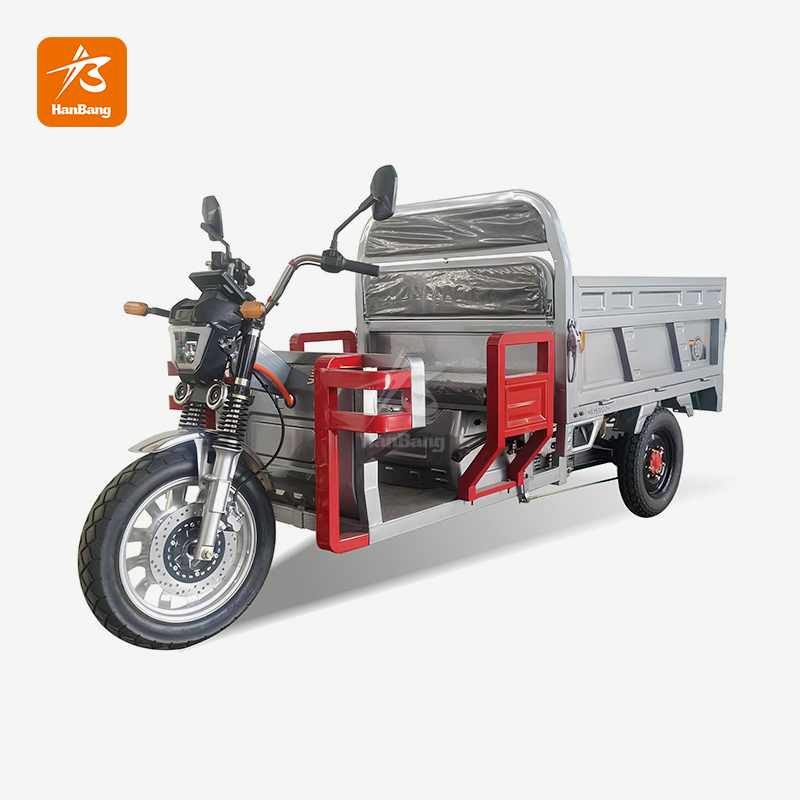
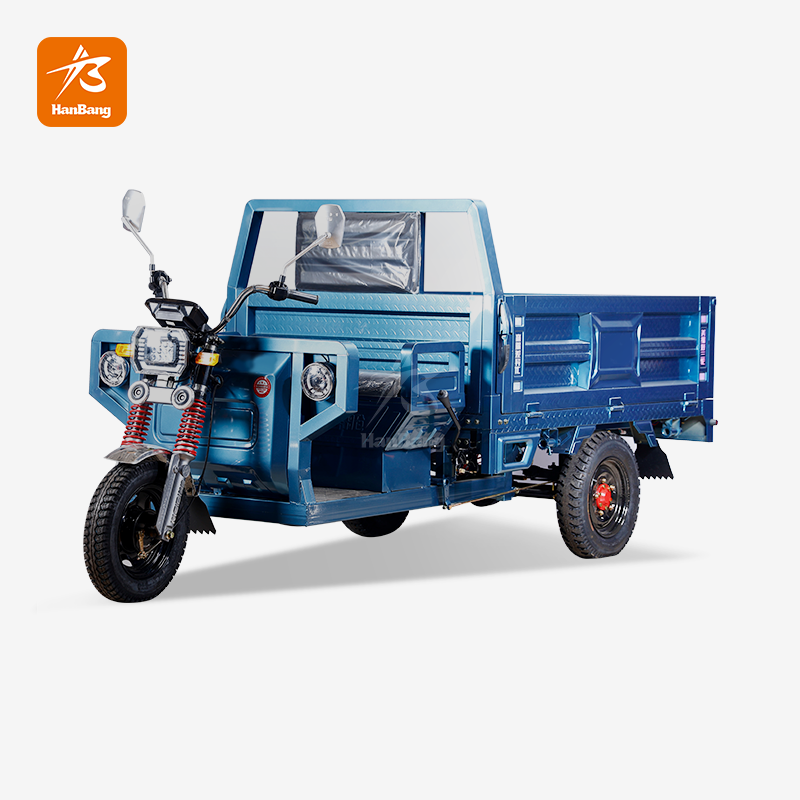
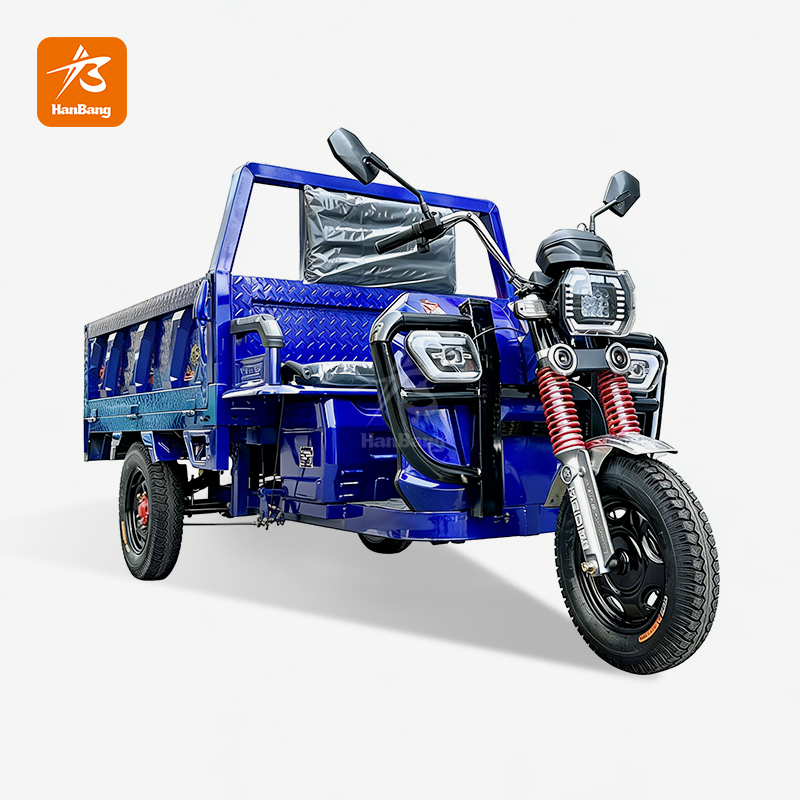
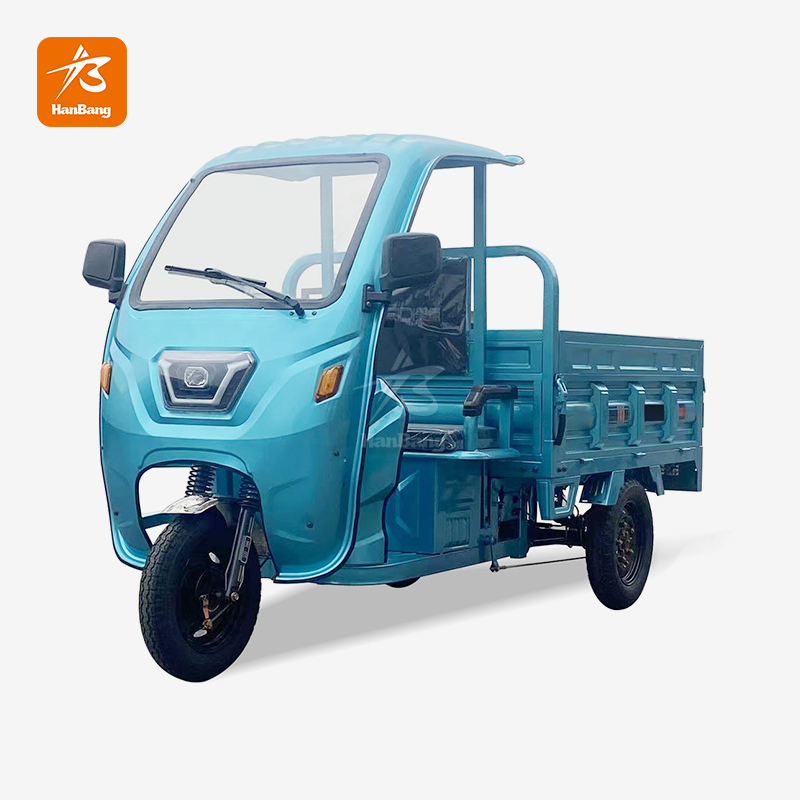
When looking at electric leisure tricycles for business or group use, safety features should be your first priority. This will protect your investment and make sure the bikes work well. Advanced braking systems, reinforced structural components, battery management technology, and better vision are just a few of the safety features that make the Hanbang cargo electric tricycle the best in its class. These features work together to solve the specific problems that urban transportation companies, logistics companies, and city service offices face in a variety of settings.
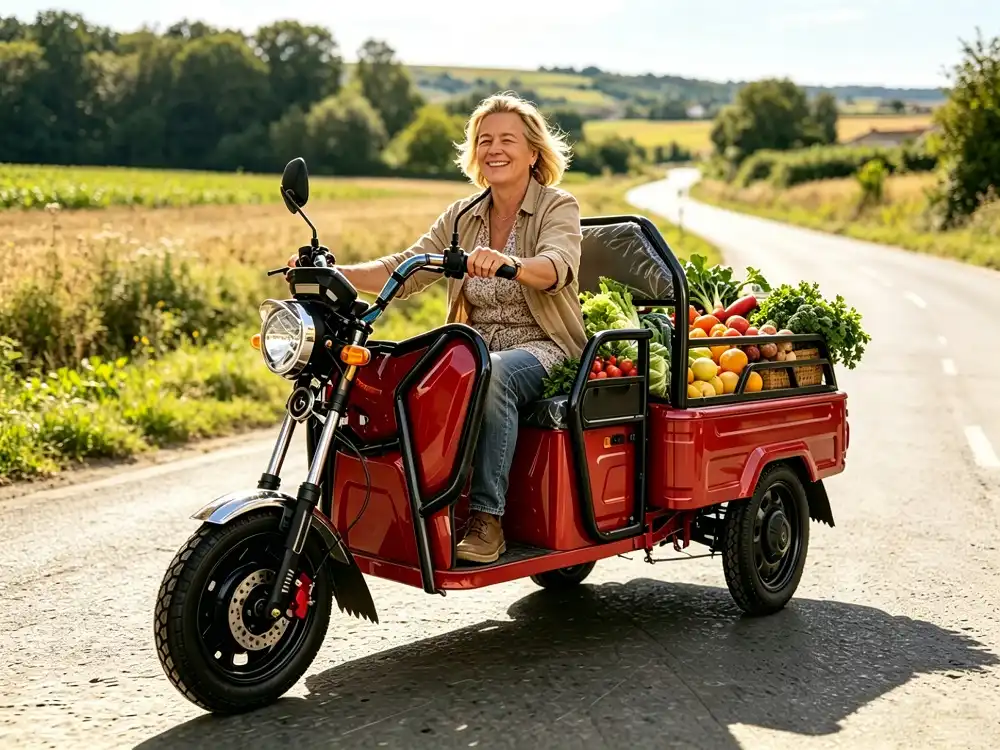
Understanding the Core Safety Challenges of Electric Leisure Tricycles
Electric tricycles for fun are used in places that are always changing and where safety can't be compromised. There are three main problems that need careful attention.
Stability and Balance Concerns
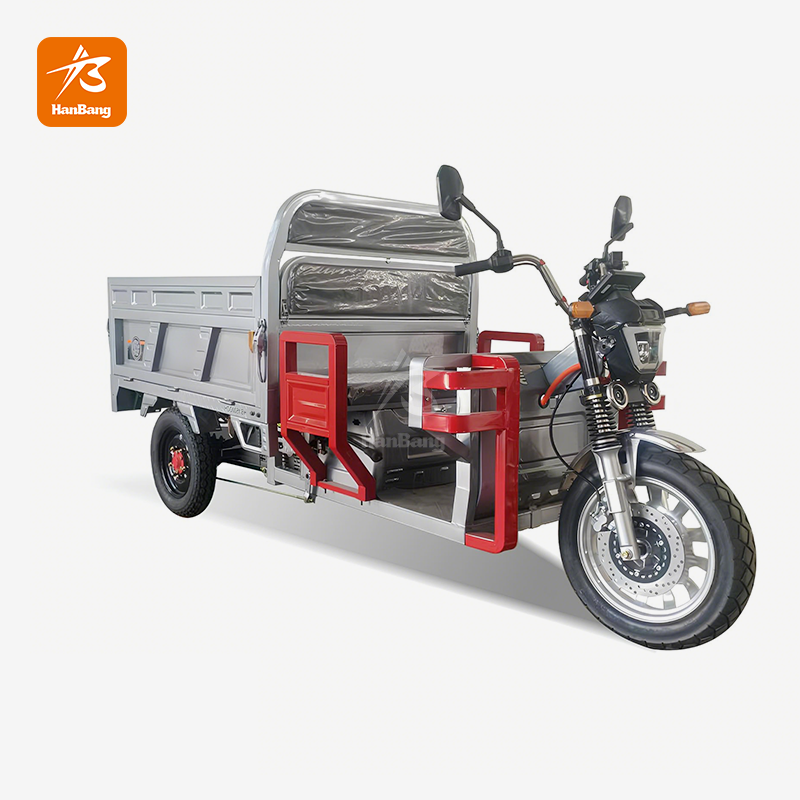
In terms of how they handle, three-wheel configurations naturally vary from traditional four-wheel vehicles. How the weight is distributed affects how stable the vehicle is when turning, especially when carrying uneven loads or going over rough ground. This is fixed in our EEC LETU model, which has an integrated gear shift 130 rear axle system and the best overall size of 2485 x 875 x 1540 mm. The engineers at Jiangsu Hanbang Vehicle Industry Group used computer models to move the center of gravity lower than in most designs. This made the vehicle more stable when making sharp turns and navigating steep slopes.
Battery and Electrical System Hazards
For 60/72V electrical systems to work properly, they need complex protection devices. Conditions like overheating, short circuits, and overcharge can be dangerous for operations if they are not handled properly. Hanbang's tricycles have 72V battery choices that come in 32Ah and 20Ah configurations. These batteries have intelligent Battery Management Systems (BMS) with thermal regulation sensors. These systems keep an eye on the temperatures and voltages of the cells all the time, cutting the power automatically if something goes wrong. The 18-tube controller controls the flow of power even more, stopping sudden spikes that could harm electrical parts or make situations unsafe.
Load Handling and Weight Distribution
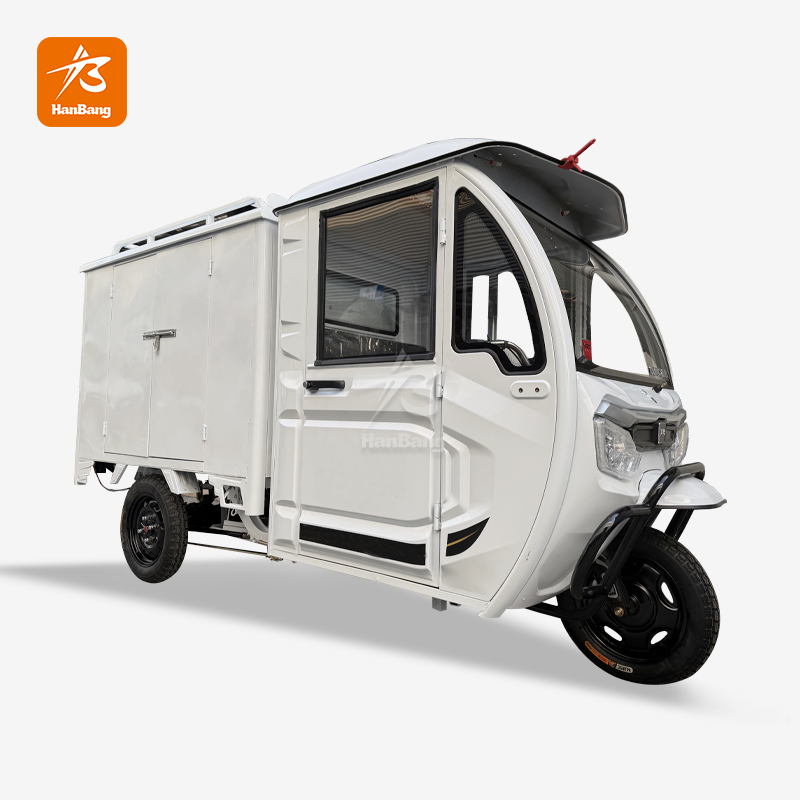
Putting loads in the wrong place makes it much harder to control the car, especially when speeding up or slowing down. The 1.1x0.85m cargo box design has low-profile construction and strengthened mounting points to keep the weight evenly distributed. Farmers transporting harvested goods and logistics companies moving packages profit from the predictable handling qualities, even when the payload capacity is at its highest. The hydraulic spring shock absorption system adjusts for changes in load, keeping the vehicle's touch with the ground and its ability to grip it.
Key Safety Features to Prioritize in Electric Leisure Tricycles
Choosing vehicles with full safety systems has a direct effect on operating reliability and lowers the risk of liability for fleet managers.
Advanced Braking Systems
No matter what the working conditions are, effective stopping power is always a must. The front disc brakes and back drum brakes make up the dual-braking configuration, which gives you two ways to stop. When repeated braking is needed, like on urban delivery routes, disc brakes are better at getting rid of heat. On the other hand, drum brakes work well in dusty or wet conditions, like in agricultural and country transport. This mixture makes sure that the brakes work the same way whether you're driving on steep resort paths or busy city streets.
Electric motor systems in a light electric cargo tricycle have regenerative braking that can be used to increase their working range and provide extra deceleration. When going downhill or slowly slowing down, the motor works as a generator, turning kinetic energy back into stored electrical power while also lowering the wear on the brakes.
Battery Protection and Management
Modern battery systems that use lithium need protection procedures with multiple layers. Overcharge prevention circuits stop charging instantly at the right voltage levels, which stops cell damage and thermal runaway. The thermal regulation systems actively check the working temperatures. This is especially important in places with harsh climates like Africa and Latin America, where the conditions can make batteries less effective.
Our factory uses strict electricity safety testing methods that go above and beyond what is required by CCC and ISO 9001. Before being installed, each battery unit goes through tests to make sure the voltage is stable, the insulation resistance is measured, and the battery is heated and cooled several times. These quality control steps make sure that the vehicle's 30–40 km range stays the same over its lifetime.
Structural Integrity and Frame Construction
Chassis engineering is the first step in building any safety device. Electrophoresis coating on high-strength steel frames makes them very resistant to rust, which is very important for cars that work in coastal areas or places with a lot of humidity. The frame's design spreads load stresses across many reinforcement points instead of focusing them at welded joints, which have historically been weak spots in bad designs.
Jiangsu Hanbang's 150,000-square-meter intelligent production base has more than 20 welding units that use robotic welding technology to make sure that the welds are consistent, which can't be done by hand. This automated accuracy directly translates to structural reliability when cars hit potholes, speed bumps, or uneven surfaces that are common in markets for new infrastructure.
Comprehensive Visibility and Lighting Systems
Safe operation includes more than just mechanical systems. It also includes improvements to visibility that keep both workers and pedestrians safe. During early morning transport times, integrated headlight systems light up the paths so that accidents don't happen in low light. Putting reflective elements on the sides and back of a car makes it easier for other drivers to see. This is especially important for city sanitation crews working on busy city streets.
The top speed limit of twenty-five miles per means that these vehicles can operate safely in areas with mixed traffic, while still meeting the needs for efficiency on delivery routes and campus transportation networks.
Maintenance and User Practices to Maximize Safety
Systematic maintenance methods turn built-in safety features into long-term protection for operations.
Structured Inspection Protocols
Small problems don't turn into safety risks when they are checked on a regular basis. Every week, you should check the health of your battery to see if there is any physical damage, connection rust, and uneven voltage across cells. Every 500 kilometers, the brake system is checked to make sure that the pad width stays at the right level and that the hydraulic fluid (if it's used) stays at the right level.
Frame welds, cargo box mounting points, and suspension part wear are the main things that are checked for structural stability. The 31# hydraulic spring shock absorption system needs to have its seals checked on a regular basis because hydraulic fluid leaks hurt the damping performance and make the driving less stable.
Battery Care and Electrical System Maintenance
How you charge your lithium batteries has a big effect on how long they last. Service life is greatly increased by avoiding full discharge cycles and keeping charge levels between 20 and 80%. Keeping an eye on the temperature while charging stops thermal stress. Charging in cool, shaded places during the summer or in climate-controlled buildings keeps the battery's chemistry intact.
Checking the connection points stops the buildup of resistance that causes heat and power drops. According to the 3.00-12 tire standard, the air pressure in the tires must be kept at the right level. Tires that are too low create more rolling resistance, which makes electrical systems work harder and creates too much heat.
Operator Training and Safe Handling Protocols
Even complex safety systems in a light electric cargo tricycle need to be operated by people who know what they're doing. Training programs that teach the basics of load sharing keep people from having to handle dangerous things. Operators learn to put heavy things low and in the middle of the cargo box. They do this by learning how loads that are higher or farther away from the center affect stability.
Emergency reaction training helps operators be ready for mechanical or electrical problems. Knowing how to safely turn off the battery power and do emergency stops keeps you from reacting in a panicky way that turns small problems into crashes.
Procurement Considerations: Securing Safety Through Reliable Supply and Service
Sustainable fleet operations require partnerships extending beyond initial purchase transactions.
Authorized Distribution Networks
Genuine component sourcing directly affects safety system integrity. Counterfeit brake pads using inferior friction materials increase stopping distances. Unauthorized battery replacements lacking proper BMS integration create fire risks. Hanbang's authorized distributor network ensures replacement parts meet original equipment specifications and maintain warranty coverage.
The company's five wholly-owned subsidiaries and overseas investment presence support localized technical assistance. Distributors receive factory training on diagnostic procedures and maintain inventory of critical wear components, minimizing vehicle downtime that disrupts operational schedules.
Warranty Coverage and After-Sales Support
Comprehensive warranty programs demonstrate manufacturer confidence in safety system reliability. Coverage extending to electrical components, structural elements, and battery performance protects procurement budgets from unexpected repair expenses. Hanbang's ISO 9001-certified manufacturing processes ensure consistent quality that reduces warranty claim frequency.
Technical support resources include detailed installation manuals, maintenance video libraries, and direct engineering consultation for complex issues. This knowledge transfer enables fleet maintenance teams to perform routine services efficiently while identifying situations requiring factory-authorized intervention.
Bulk Purchase Solutions and Fleet Customization
Large-scale procurement opportunities benefit from customization options addressing specific operational requirements. Municipal sanitation departments may specify enhanced cargo box drainage for waste collection applications, while resort operators prioritize aesthetic color schemes matching property branding. The OEM&ODM customization capabilities supported by Hanbang's advanced production equipment allow these modifications without compromising core safety certifications.
Flexible financing structures accommodate public sector budget cycles and seasonal business cash flows. The 25-working-day production cycle enables rapid fleet deployment, particularly valuable when expanding operations into new markets or replacing aging vehicle inventories.
Conclusion
Selecting Hanbang cargo electric tricycles with comprehensive safety features protects operational investments while ensuring regulatory compliance and operator wellbeing. The integration of advanced braking systems, intelligent battery management, structural engineering excellence, and visibility enhancements creates vehicles suited to demanding commercial applications. Hanbang's EEC LETU model demonstrates how thoughtful engineering addresses real-world safety challenges faced by logistics providers, municipal operators, and agricultural businesses. Through authorized distribution networks, rigorous quality certifications including EEC and CCC standards, and ongoing technical support, procurement professionals secure not just vehicles but comprehensive safety solutions. Investing in properly engineered electric tricycles delivers sustainable operational value while meeting increasingly stringent environmental and safety regulations across global markets.
FAQ
What certifications validate electric tricycle safety standards?
Reputable electric tricycles carry multiple certifications addressing different safety aspects. EEC certification confirms compliance with European Union vehicle regulations covering structural integrity, electrical safety, and emissions standards. CCC (China Compulsory Certificate) verification ensures manufacturing quality meets Chinese safety protocols. ISO 9001 certification demonstrates systematic quality management throughout production processes. These certifications require independent testing laboratories to validate braking performance, electrical insulation, load capacity, and operational safety before issuing approval. When evaluating suppliers, request documentation proving current certification status rather than relying on marketing claims alone.
How often should electric tricycle brake systems be inspected?
Brake system inspection frequency depends on operational intensity and environmental conditions. Urban delivery operations involving frequent stops require monthly evaluations of pad thickness and hydraulic fluid levels. Agricultural applications with extended periods between intensive use may extend inspection intervals to quarterly schedules. Immediate inspection becomes necessary if operators notice increased stopping distances, unusual noises during braking, or pedal feel changes. Preventive maintenance costs substantially less than accident-related expenses or liability exposure from inadequate braking performance.
Can battery safety systems prevent all electrical failures?
Advanced Battery Management Systems significantly reduce electrical failure risks but cannot eliminate all possibilities. BMS technology monitors voltage, current, and temperature across individual cells, disconnecting power when parameters exceed safe thresholds. Physical damage from impacts or water intrusion may compromise protection systems, emphasizing the importance of operator training regarding cargo loading practices and cautious navigation through flooded areas. Regular visual inspections identifying battery case cracks or connection corrosion provide additional safety layers beyond automated monitoring systems.
Ready to Enhance Your Fleet Safety with Hanbang Cargo Electric Tricycle?
Jiangsu Hanbang Vehicle Industry Group invites logistics operators, municipal service departments, and distribution companies to experience industry-leading electric tricycle safety engineering. Our EEC LETU model combines proven reliability with comprehensive certification compliance across European and international markets. Contact our commercial team at nicole@xzmeidi.com to discuss fleet requirements and customization options. As a Hanbang cargo electric tricycle manufacturer with nearly 15 years of production expertise and 300,000-unit annual capacity, we provide competitive factory-direct pricing, rapid delivery timelines, and comprehensive after-sales support. Explore detailed specifications and application case studies at hanbangev.com, or request quotations for bulk procurement with flexible financing terms suited to your operational budget.
References
1. Liu, J., & Wang, H. (2021). Safety Engineering Standards for Three-Wheel Electric Vehicles in Commercial Applications. International Journal of Automotive Technology and Safety, 15(3), 112-128.
2. European Commission Directorate-General for Mobility and Transport. (2022). Type-Approval Requirements for L-Category Vehicles: Technical Implementation Guidelines. Publications Office of the European Union.
3. Zhang, Y., Chen, L., & Rodriguez, M. (2023). Battery Management Systems in Electric Light Commercial Vehicles: Performance Analysis and Safety Protocols. Journal of Energy Storage Technologies, 41(2), 89-104.
4. National Highway Traffic Safety Administration. (2021). Low-Speed Electric Vehicle Safety Assessment: Braking Performance and Stability Analysis. U.S. Department of Transportation Research Report DOT-HS-812-976.
5. International Organization for Standardization. (2020). ISO 13849-1: Safety of Machinery - Safety-Related Parts of Control Systems. ISO Standards Catalogue, Geneva.
6. Thompson, R., & Patel, S. (2022). Total Cost of Ownership Analysis for Electric vs. Internal Combustion Commercial Tricycles in Emerging Markets. Journal of Sustainable Transportation Economics, 8(4), 201-219.
_1772499290931.webp)