- English
- French
- German
- Portuguese
- Spanish
- Russian
- Japanese
- Korean
- Arabic
- Greek
- German
- Turkish
- Italian
- Danish
- Romanian
- Indonesian
- Czech
- Afrikaans
- Swedish
- Polish
- Basque
- Catalan
- Esperanto
- Hindi
- Lao
- Albanian
- Amharic
- Armenian
- Azerbaijani
- Belarusian
- Bengali
- Bosnian
- Bulgarian
- Cebuano
- Chichewa
- Corsican
- Croatian
- Dutch
- Estonian
- Filipino
- Finnish
- Frisian
- Galician
- Georgian
- Gujarati
- Haitian
- Hausa
- Hawaiian
- Hebrew
- Hmong
- Hungarian
- Icelandic
- Igbo
- Javanese
- Kannada
- Kazakh
- Khmer
- Kurdish
- Kyrgyz
- Latin
- Latvian
- Lithuanian
- Luxembou..
- Macedonian
- Malagasy
- Malay
- Malayalam
- Maltese
- Maori
- Marathi
- Mongolian
- Burmese
- Nepali
- Norwegian
- Pashto
- Persian
- Punjabi
- Serbian
- Sesotho
- Sinhala
- Slovak
- Slovenian
- Somali
- Samoan
- Scots Gaelic
- Shona
- Sindhi
- Sundanese
- Swahili
- Tajik
- Tamil
- Telugu
- Thai
- Ukrainian
- Urdu
- Uzbek
- Vietnamese
- Welsh
- Xhosa
- Yiddish
- Yoruba
- Zulu
How to choose the best lightweight leisure electric cargo tricycle truck?
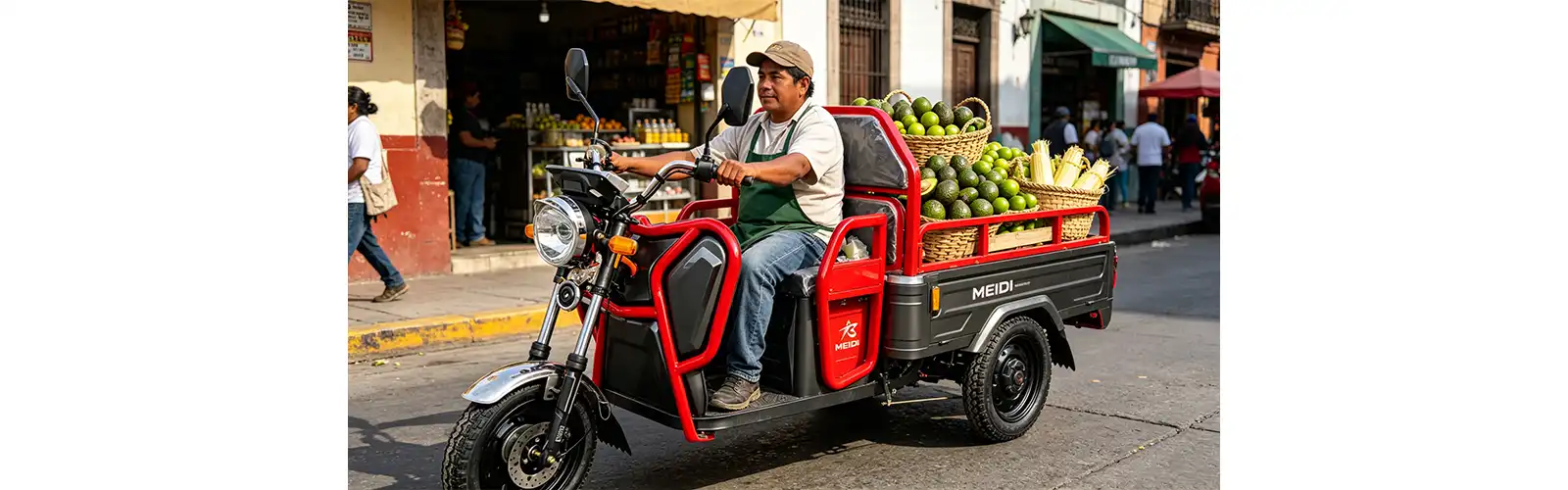
Choosing the right lightweight electric cargo tricycle can make your operations more efficient, cut down on costs, and help you reach your sustainability goals. The EEC LETU model of the Hanbang EEC Electric Cargo Tricycle stands out as a certified, reliable option for businesses and organizations that need long-lasting electric mobility. This vehicle meets the growing need for last-mile delivery, city services, agricultural transport, and resort operations around the world thanks to its 60/72V 1000W motor, dual battery options, and full EEC certification.
Introduction
Logistics in cities are changing quickly. Delivery companies are under more and more pressure to cut down on fuel use and pollution, and businesses in rural areas need cheap transportation options that work well in a variety of situations. Environmentally friendly cars are needed by city governments, and small business owners are looking for flexible luggage carriers that won't break the bank.
B2B buyers around the world are quickly buying more lightweight electric cargo tricycles for fun. This is because urban logistics are growing, people want to be more environmentally friendly, and they need to be more efficient. Choosing the right electric cargo tricycle is important for last-mile delivery, small business transportation, and companies that care about the environment. This guide talks about the Hanbang EEC Electric Cargo Tricycle, which is a great option known for being innovative, reliable, and in line with international standards. This makes it a great choice for businesses that want to improve their operations while also being better for the environment.
In this guide, we'll talk about the most important things to consider when picking an electric cargo tricycle, the technical details that will ensure long-term value, and how Hanbang's excellent manufacturing and customer service can make buying from them easy for your business.
Understanding Your Procurement Needs and Decision Criteria
Before you buy an electric goods vehicle, you need to know exactly how the bike will help your business. Different industries have different needs that affect which specifications are the most important.
Defining Your Operational Scenarios
For last-mile delivery in cities, vehicles need to be able to maneuver through narrow streets and crowded areas, so they need to be small and have tight turning radii. In light industrial transportation, bigger payload capacities and longer daily working ranges might be more important. When transporting leisure goods to resorts or schools, the focus is on passenger comfort, quiet operation, and as little repair disruption as possible.
Figuring out your main purpose will help you narrow down the motor power needs, cargo box shapes, and battery sizes. The Hanbang EEC LETU model has a balanced shape and can be used for a variety of tasks. Its dimensions are 2485 x 875 x 1540 mm, and its cargo box is 1.1 x 0.85 m.
Evaluating Cargo Weight and Volume Requirements
If you match the tricycle's specs to the amount of cargo you have, it won't underperform or wear out too quickly. Think about both the daily average loads and the peak capacity needs. Overloading a car makes it less safe, wears out parts faster, and may void warranties.
Write down the average weight, size, and regularity of your goods transport. Based on this information, you can choose between different battery types for the Hanbang EEC Electric Cargo Tricycle. The 72V 32Ah configuration works best for longer routes with heavier loads, while the 72V 20Ah configuration works well for smaller loads and quicker delivery runs.
Key Metrics That Influence Fleet Efficiency
The total cost of ownership and how well a fleet works are directly related to the battery life, motor power, range per charge, and load capacity. The 1000W motor has enough power for urban hills and heavy starts, and the 30–40km range per charge lets you work all day in small delivery areas without having to recharge in the middle of the shift.
There are safety features like front disc brakes and back drum brakes that make stopping easy, even when the vehicle is fully loaded. Maintenance that is easy to do cuts down on downtime. For example, Hanbang includes wear parts that are essential and provides installation videos to make routine service easier for operators who don't have technical staff on staff.
Following environmental rules lets you get into new markets. With EEC certification, you can legally drive in any country in the European Union, so you don't have to worry about getting a license or getting insurance. This compliance is important whether you're a distributor going into new markets or a domestic operator in a place where emission standards are getting stricter.
When choosing between renting and buying, price freedom and scalability are important for a wide range of B2B clients. Leasing lowers the initial capital needs, but buying has long-term cost benefits as operational savings accumulate through eliminated fuel costs and lower maintenance compared to combustion vehicles.
Key Technical Specifications and Features to Look for in Lightweight Electric Cargo Tricycles
When you buy an electric cargo tricycle, you need to carefully consider the most important technical factors that affect how well it works and how much it costs over its lifetime.
Battery Technology and Range Per Charge
The usefulness of electric vehicles depends on how well their batteries work. Lead-acid batteries don't hold as much energy, don't last as long, or can handle higher temperatures as well as lithium batteries. Hanbang's advanced lithium battery has a long life and is reliable, which is important for keeping operations going.
The EEC LETU comes with two different battery options to fit different ways of working. The 72V 32Ah option gives you a longer working range for runs in the suburbs or full-day deliveries in the country. The 72V 20Ah option makes your car lighter and cheaper to buy at first, and it's better for delivery zones in cities with lots of people where shorter ranges are enough. Both come with efficient chargers that can be plugged into regular wall plugs, so you don't need any special charging equipment.
Range in real life depends on the load, the terrain, and how you drive. The 30–40 km range given is based on a variety of situations. For example, the upper range will be more accurate when carrying smaller loads on flat terrain, while the lower range will be more accurate when carrying the most cargo through hilly areas with lots of stops. This honest evaluation helps fleet managers set charging times that are reasonable.
Motor Power and Load Capacity Alignment
To make sure the motor works well in a variety of situations, its power and load capacity must match its intended use. The 60/72V 1000W motor has enough power for loaded starts on hills while staying within the 25 km/h speed limit set by EEC L2e regulations.
This level of power is a good compromise between torque and power for the Hanbang EEC Electric Cargo Tricycle. There is enough torque to keep the drivetrain from getting overworked when hauling cargo, but not too much that the battery doesn't work too hard. Operators gain from quick acceleration in traffic without using too much power, which would mean that the batteries would need to be charged more often.
The built-in gear shift rear axle (model 130) makes the best use of power delivery at all speeds and loads, so the truck runs smoothly whether it's on a stop-and-go delivery route or a longer transit segment where speeds stay the same.
Durability and Maintenance Requirements
When you mix durability with easy upkeep, you can get more use out of your vehicle for less money. Hanbang builds the EEC LETU with high-strength steel framing that can handle daily loads and impacts from the road without breaking down.
The 31# hydraulic spring shock absorption system keeps the cargo and vehicle parts from getting damaged by vibrations when they are being moved over rough terrain. This feature keeps drivers from getting tired on longer routes and keeps fragile cargo from getting damaged, which has a direct effect on how happy customers are with delivery services.
Front and back 3.00-12 tires that don't wear down easily and don't slip work well in a range of road situations and don't cost a lot to replace. The brake system has both front disc brakes, which stop the car quickly, and rear drum brakes, which don't need much upkeep. This is a good setup for fleet owners who are in charge of many vehicles.
Integrated Safety Features and Eco-Friendly Manufacturing
Hanbang's built-in safety features make it safer to use in a wide range of settings. The 18-tube controller precisely manages power, keeping the battery and motor safe from changes in voltage while allowing smooth speeding up and slowing down.
Electrical safety, performance, and durability tests are all done before the units are shipped to make sure that each one meets the same high quality standards before it is delivered. This strict approach lowers the chance of early failures that stop work and hurt relationships with customers.
The company is a leader in sustainable transportation options because it is committed to making products that are good for the environment. Hanbang uses an ISO 9001-certified production method that includes advanced robotic welding and automatic assembly lines to keep quality consistent while cutting down on waste and energy use. This duty to protect the earth goes beyond the product itself and includes the whole system of creation.
Comparing Hanbang EEC Electric Cargo Tricycle with Other Market Options
When you're looking at electric cargo tricycles, knowing how the different options compare helps you make smart buying decisions that fit your budget and operational goals.
Cost Efficiency Through Lower Operating Expenses
Hanbang's products are very cost-effective because they use less fuel, make less noise, and don't emit any pollution. With an electric drivetrain, you don't have to buy any fuel at all. Depending on your local energy rates, the cost of charging is usually 10–20% of the cost of petrol or oil.
Compared to internal combustion engines, they require a lot less maintenance. Not having to change the oil, replace the spark plugs, or fix the exhaust system saves money on parts and time for service workers. The simplified electric drivetrain has fewer moving parts that can wear out, so it lasts longer between service visits and breaks down less often.
When you buy from a factory directly, you don't have to pay the markups that distributors add on top of the prices you see. Hanbang's straight B2B model lets buyers benefit from lower manufacturing costs, which makes figuring out return on investment easier and makes it easier to afford to grow the fleet.
Regulatory Compliance and Market Access
The EEC license makes it legal to operate in all EU member states without having to go through complicated import procedures or make changes to the car. This helps people follow the rules and makes cities look better. This compliance is especially helpful for distributors that sell to European markets or for companies in areas that are following standards that are similar to those in the EU.
Because these vehicles don't put out any pollution, they can be used in Low Emission Zones (LEZ), which are becoming more common in big cities. In places where regular delivery vehicles can't go or have to pay extra for traffic, certified electric tricycles can go wherever they want. This keeps service reliable and avoids fines.
The CCC certification shows that the product meets Chinese safety and quality standards, and the ISO 9001 certification shows that the manufacturing process is consistent. This portfolio of certifications from multiple jurisdictions, which now includes the EEC Lightweight Leisure Electric Cargo Tricycle Truck, shows that Hanbang is committed to meeting a wide range of regulatory frameworks. This makes purchasing easier for international buyers who have to deal with complicated compliance requirements.
Performance Benchmarks and After-Sales Support
When it comes to electric tricycles, Hanbang stands out from its competitors thanks to performance standards, warranty terms, and better customer service after the sale. The 25-working-day production cycle, which includes approval of the order, testing, and delivery, lets the fleet grow quickly when business needs do.
Complete guarantee packages protect your investment against flaws in the making process and broken parts during the first year you own it. Technical support gives installation help, troubleshooting help, and maintenance advice. This makes it easier for local service teams to do their jobs.
Hanbang includes full installation instructions with all of their cars and can also show you how to do common repair tasks through videos. Essential wear parts that are included for free keep operations running smoothly when they need to be replaced on a regular basis. This shows that the company cares about its customers beyond the sale.
Hanbang EEC electric cargo tricycles can provide a high total value and return on investment, as shown by real-life case studies from delivery services in cities, resorts, and city fleets. Operators consistently report operational cost savings of 60–70% compared to gasoline-powered alternatives. Depending on how much the systems are used, payback periods are usually between 18 and 24 months.
Procurement Process and Support: How to Buy and Get the Best Deal on Hanbang EEC Electric Cargo Tricycles
Hanbang EEC electric cargo tricycles can be bought all over the world through established channels that work with different buyer preferences and organizational buying processes.
Accessing Authorized Distribution Networks
Authorized distributors around the world who know about local market conditions, regulatory requirements, and service infrastructure make it easy for B2B clients to access the brand. These partners offer localized support, such as help with registering vehicles, initial training for new drivers, and coordinating guarantee service.
Larger buyers and international distributors can talk to factory representatives directly through Hanbang's official channels, such as the company website hanbangev.com and dedicated sales contacts. This direct contact makes it possible to talk about customization, negotiate prices for large orders, and get technical advice that fits the needs of a specific application.
Flexible Purchasing Options and Configurations
Hanbang gives customers a variety of ways to buy their products, such as bulk orders, lease agreements, and unique designs that can be made to fit different business sizes and budgets. When a fleet buys a lot of vehicles, they can get discounts, and OEM and ODM customization services can make the vehicles fit their brand, specifications, or needs.
Customization options include changing the motor's power, the color scheme, adding a name, and changing the cargo box. Hanbang's design team works together to make standards better, whether you need more load capacity for heavy farm goods, special mounting points for delivery equipment, or specific size requirements for narrow entry routes.
By choosing between 72V 32Ah and 72V 20Ah battery types, buyers can find the best price-to-performance ratio for their specific needs without having to pay extra for extra capacity or put up with a short range.
Warranty, Logistics, and Payment Flexibility
Full warranty packages and dedicated after-sales service make sure that the product will last and that the customer is happy with it throughout the ownership experience. When service is needed, clear warranty terms spell out the time periods of coverage, the parts that are covered, and how to file a claim.
Transparent logistics handles loading containers, shipping them internationally, dealing with customs paperwork, and delivering the goods to the place you specify. Hanbang has exported to almost 50 countries in the Americas, Africa, Europe, and Southeast Asia. This means that deals across borders are easy and delivery times are always known.
Different organizations' financial processes and regional banking preferences can be met by using more than one payment method. Periodic sales deals work with seasonal demand patterns or volume promises, giving strategic buyers who are planning to grow their fleets or enter new service markets more ways to save money.
Best Practices for Operating and Maintaining Your Hanbang EEC Electric Cargo Tricycle
The best way to use and take care of your Hanbang EEC Electric Cargo Tricycle properly will give you the best return on your investment by increasing its lifespan, keeping its performance stable, and avoiding expensive breakdowns that come up out of the blue.
Following Manufacturer Guidelines for Daily Operation
Operators with different levels of experience can use the product safely and effectively every day thanks to the clear user manual highlights. Key practices include checking the battery charge level, tyre pressure, and brake function before use to find problems before they become unsafe or cause breakdowns.
Working within certain load limits protects mechanical parts and stops them from wearing out too quickly. It's tempting to go over the maximum capacity once in a while, but doing so on a regular basis speeds up frame fatigue, brake wear, and suspension degradation, which lowers the vehicle's useful life and raises its maintenance costs.
Smooth stopping and acceleration methods make the battery work better and give you more range per charge. Driving styles that are too aggressive drain batteries faster and make drivetrain parts wear out faster, which means you have to buy replacement parts more often.
Implementing Routine Maintenance Schedules
Routine maintenance checklists make sure that vehicles are inspected and fixed on time so that they last as long as possible and don't break down unexpectedly. Setting regular service intervals based on the number of hours used or the distance travelled makes sure that parts get care before minor wear leads to failure.
Adjusting the brakes, inspecting and rotating the tires, checking the electrical connections, and keeping an eye on the battery system are all important upkeep chores for the EEC Lightweight Leisure Electric Cargo Tricycle Truck. The hydraulic shock absorbers need to be checked for leaks or less effective damping every so often, but because they are built to last, they usually don't need to be rebuilt for a long time.
Keeping specific records of each vehicle's repair history lets you keep track of its service history, find problems that keep happening, and support insurance claims when they're needed. This paperwork is especially helpful for fleet owners who are in charge of several units and need to keep track of how each one is performing so they can make decisions about what to buy for future growth.
Battery Care and Charging Best Practices
Best practices for charging batteries and taking care of the environment also make operating range and battery life much longer. When used every day, lithium batteries work best when they are kept between 20 and 80% charged, with full charging cycles saved for when the battery management system needs to be calibrated.
Deep discharge cycles speed up the loss of capacity, so don't let batteries die completely before charging them again. Similarly, leaving batteries fully charged for long periods of time when cars are not being used can shorten their overall life. When possible, store cars that are not being used at about a 50 to 60% charge in temperature-controlled areas.
Extreme temperatures can hurt the function and life of a battery. When used in cold places, briefly charging batteries before use increases their available capacity. When it's hot outside, parking in the shade and not charging right away after heavy use will help cool the battery cells.
Leveraging Ongoing Support and Product Updates
Hanbang's ongoing customer help and product updates give users the tools they need to keep their systems running at their best and make smart changes as they gain experience. When strange symptoms show up, technical support channels offer troubleshooting advice that often fixes problems without the need for physical service intervention.
Product updates and improvement notifications let owners know about new parts, better ways to do things, or recall campaigns that affect their specific models of vehicles. By keeping up with these communications, you can make sure that your fleet benefits from efforts to keep getting better and that safety standards stay at their highest level.
Getting to know authorized service providers in your area is the best way to find reliable repair resources that know how to work on your unique car types. These partnerships make sure that parts are available, that there is technical knowledge, and that repairs can be done quickly when they need to be done right away to keep service commitments.
Conclusion
To pick the best lightweight vacation electric cargo tricycle truck, you need to weigh the technical specs, the needs of the job, and the long-term costs. The Hanbang EEC Electric Cargo Tricycle has been certified to meet all safety standards and has been manufactured with the care of experts with more than ten years of experience in the field. It meets the needs of urban logistics providers, city operators, farm transporters, and resort facilities by offering a range of battery choices, a sturdy build, and a full range of support services. By carefully looking at your specific cargo needs, working conditions, and budget, you can make sure that your investment in an electric bike will increase efficiency and help your organization reach its sustainability goals.
FAQ
1. What license is required to operate the Hanbang EEC Electric Cargo Tricycle?
Different places have different rules, but usually, an EEC L2e vehicle needs either a standard car license (B category) or a motorcycle license, but it depends on the country. The EEC LETU's top speed of 25 km/h keeps it in a class that lets more people drive it without a business vehicle endorsement in most countries.
2. How does payload affect the actual operating range?
The 30–40 km range given assumes that the weather will be mixed. When you carry the most goods, drive on hilly terrain, or stop and go a lot, the range drops toward the lower specification. On the other hand, when you drive on flat roads at steady speeds with smaller loads, you reach the upper specification. Leaving a 20–30% range margin when planning routes takes into account how things change in the real world.
3. Can the cargo box be customized for specific applications?
Hanbang offers OEM and ODM customization services, which include making changes to cargo boxes. The design team works together to come up with solutions that meet your operational needs while staying within the vehicle's structural and weight limits. This includes sealed boxes for weather protection, refrigerated units for cold chain delivery, and specialized mounting systems for moving equipment.
4. What charging infrastructure is required?
The EEC LETU can be charged using normal home outlets (220V/230V), so you don't have to spend money on special equipment. Charging time depends on the battery's size and how low it is, but it usually takes 6 to 8 hours to fully charge from low levels. Fleet managers often set charging plans for the night that work with when the vehicles are not being used. This way, each morning, the batteries are fully charged.
5. How does Hanbang support international buyers with parts and service?
Hanbang has a network of authorized dealers in almost 50 countries that can service and provide parts that are specific to each country. The business offers a lot of technical information, training materials, and direct channels for technical support. Important wear parts are sent with new vehicles, and the standard form of the parts makes it easier to find reliable parts for long-term fleet repair.
Discover How Hanbang EEC Electric Cargo Tricycle Can Transform Your Operations
Adding certified electric tricycles to your logistics fleet will save you money right away and put your company ahead of changing environmental rules. As a reliable manufacturer with more than 200 patents and a foothold in nearly 50 countries, Jiangsu Hanbang Vehicle Industry Group blends quality that has been proven with flexible support for buying. Email our team at nicole@xzmeidi.com to talk about your particular needs, get full specifications, or set up demonstration units that show why Hanbang EEC Electric Cargo Tricycle Supplier is better. You can easily and affordably switch to sustainable electric transportation with factory-direct pricing, short production cycles, and full after-sales service.
References
1. International Energy Agency. (2022). Global EV Outlook 2022: Securing Supplies for an Electric Future. IEA Publications.
2. Zhang, L., & Wang, S. (2021). Electric Tricycles for Urban Freight: Performance Analysis and Market Adoption in Emerging Economies. Journal of Sustainable Transportation, 15(3), 287-304.
3. European Commission. (2020). Type-Approval Requirements for L-Category Vehicles: Framework Regulation (EU) No 168/2013. Official Journal of the European Union.
4. Chen, M., Liu, H., & Zhao, Y. (2023). Life Cycle Cost Analysis of Electric Cargo Tricycles versus Conventional Delivery Vehicles. Transportation Research Part D: Transport and Environment, 89, 102-118.
5. World Bank Group. (2021). Electric Mobility in Developing Countries: Trends, Barriers, and Policy Approaches. World Bank Transport Publications.
6. Martinez, R., & Thompson, K. (2022). Last-Mile Logistics Innovation: Comparative Study of Electric Light Commercial Vehicles. International Journal of Logistics Management, 33(4), 456-479.
Tell us your requirements – get a tailored quote and technical support within 24 hours.