- English
- French
- German
- Portuguese
- Spanish
- Russian
- Japanese
- Korean
- Arabic
- Greek
- German
- Turkish
- Italian
- Danish
- Romanian
- Indonesian
- Czech
- Afrikaans
- Swedish
- Polish
- Basque
- Catalan
- Esperanto
- Hindi
- Lao
- Albanian
- Amharic
- Armenian
- Azerbaijani
- Belarusian
- Bengali
- Bosnian
- Bulgarian
- Cebuano
- Chichewa
- Corsican
- Croatian
- Dutch
- Estonian
- Filipino
- Finnish
- Frisian
- Galician
- Georgian
- Gujarati
- Haitian
- Hausa
- Hawaiian
- Hebrew
- Hmong
- Hungarian
- Icelandic
- Igbo
- Javanese
- Kannada
- Kazakh
- Khmer
- Kurdish
- Kyrgyz
- Latin
- Latvian
- Lithuanian
- Luxembou..
- Macedonian
- Malagasy
- Malay
- Malayalam
- Maltese
- Maori
- Marathi
- Mongolian
- Burmese
- Nepali
- Norwegian
- Pashto
- Persian
- Punjabi
- Serbian
- Sesotho
- Sinhala
- Slovak
- Slovenian
- Somali
- Samoan
- Scots Gaelic
- Shona
- Sindhi
- Sundanese
- Swahili
- Tajik
- Tamil
- Telugu
- Thai
- Ukrainian
- Urdu
- Uzbek
- Vietnamese
- Welsh
- Xhosa
- Yiddish
- Yoruba
- Zulu
Quick Guide to Electric 3 Wheeler Cargo Tricycle Motor Troubleshooting
Understanding motor repair is crucial when your Hanbang electric 3 wheeler cargo tricycle loses power in the middle of a delivery route. Following the steps in this guide will help you figure out what's wrong and save you hours of time and money. Whether you run a delivery service in a city neighborhood or move goods between rural areas, your business needs to be able to quickly find and fix motor problems. The information here is specific to vehicles like the EEC JIEBAO series, which has a 1500W motor and a 72V 32Ah battery system. However, the ideas here can be applied to most electric cargo tricycles that are used for business today.
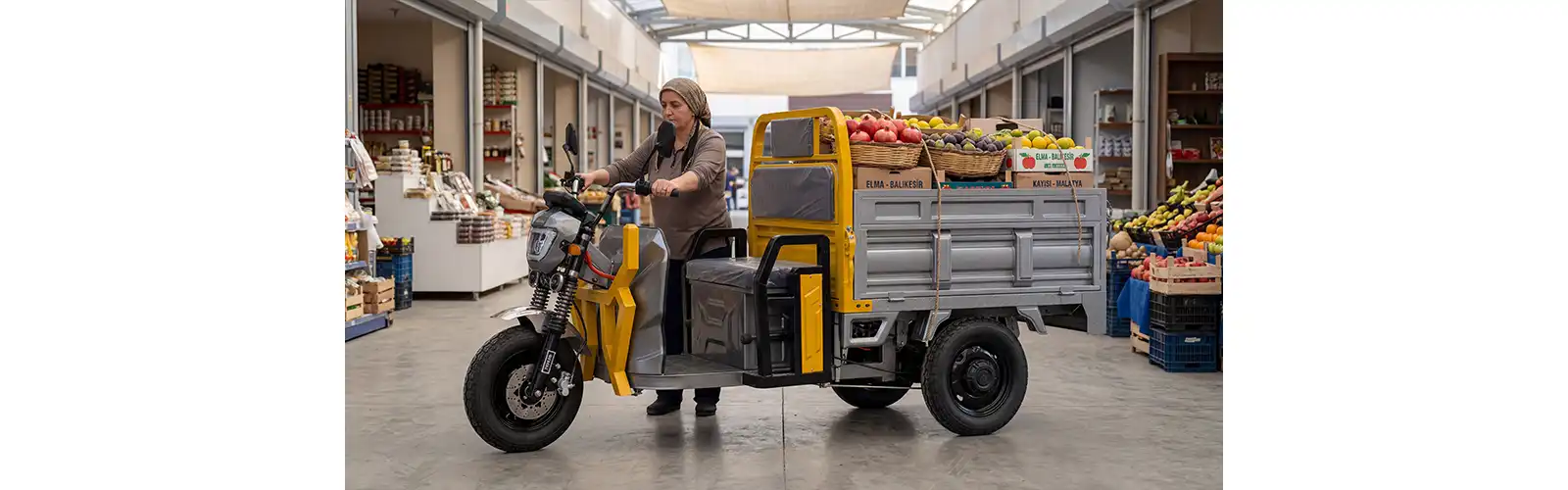
Understanding Common Motor Issues in Electric Cargo Tricycles
Motor Fails to Start or Respond
When you turn the key in the ignition and nothing happens, the motor is probably broken. Most of the time, it's because the battery connections are loose, the battery charge is low, or fuses in the controller system have broken. In cars with 24-tube controls, heat cutoffs may kick in after a while of use, stopping the motor from working until the parts cool down. By looking at the connecting connections with your own eyes, you can tell if they have corrosion, which stops the flow of electricity even when the batteries are fully charged.
Unusual Noises During Operation
Sounds like grinding, clicking, or whining are often signs of technical problems inside the motor case. In brushed motors, these sounds can be caused by worn brushes. However, most current electric tricycles have motors that don't have brushes. Usually, strange noises come from fixing bolts that aren't tight enough, trash stuck in the motor fan, or worn bearings. Finding the exact source of the noise helps figure out if the problem is with the motor itself or with nearby mechanical parts, such as the back axle gear system.
Overheating and Thermal Shutdowns
Electric motors get hot when they're working, especially when they're going up hills or moving a lot of weight. Vehicles with 1500W motors and a top speed of 25 km/h handle thermal loads with cooling fans and heat-dispersion fins. When these systems stop working or air vents get clogged with dust, temperatures inside go above what is safe. Most processors have temperature monitors that turn off the power automatically when dangerous levels are reached. This keeps expensive parts from getting permanently damaged.
Inconsistent Power Delivery and Speed Fluctuations
Erratic acceleration or sudden drops in power while moving are more likely to be caused by electrical problems than by mechanical ones. The 72V battery system needs all cell groups to have stable power output. When different cells break down at different rates, voltage sag happens under load. This makes the processor change the power in a way that isn't constant. In the same way, loose connections at the input terminals of the controller cause sporadic contact, which makes the motor respond in random ways while it is running.
There are several reasons why these signs happen. Wiring cables that are out in the weather get rust at the connection places. Battery packs that are getting close to their end of life lose power and have higher internal resistance. After thousands of charge cycles, controller parts start to break down. Environmental factors like water getting in, road vibrations, and changes in temperature all make electrical systems wear out faster. Knowing these connections helps fleet managers plan maintenance needs ahead of time, before small problems turn into big ones that need expensive fixes.
Step-by-Step Troubleshooting Process for Electric Tricycle Motors
Conduct Visual and Physical Inspections
Start fixing the problem in an EEC electric 3 wheeler cargo tricycle by looking at all the parts that can be seen while the car is off. Check the battery leads for rust and tightness; about 30% of motor startup failures are caused by connections that are too loose. Check the main power line that goes from the battery to the remote for wear and tear. Check the motor case for cracks or other signs that water is getting in. Check where the controller box is mounted to make sure it stays in place and is safe from road debris.
Perform Electrical System Testing
Check the power of the battery when it's not being used and when it is. When not in use, a fully charged 72V device should show between 80V and 84V. When speeding up, the voltage should stay above 70V. Deeper drops in voltage mean the batteries are weak or the connections are bad. Check the output of the processor by checking the voltage at the motor's connections while the throttle is turned on. If the voltage doesn't change, it means the controller isn't working, but if it does change proportionally, it means the controller is working.
Differentiate Between Component Failures
It saves money on replacing costs to find out if the problem was with the motor, battery, or driver. Take the motor off and directly check the voltage of the battery. If the voltage is right, the motor or driver is still suspect. Connect a known-working motor briefly to the driver to see how it works. The original motor needs to be serviced when a new motor works fine. This methodical removal finds the broken part without any guessing.
Implement Targeted Repairs
To fix wire problems, you need to use electrical contact cleaner to clean corroded leads and the right amount of torque to tighten any loose connections. For lithium batteries, upkeep includes balancing the cell groups. For lead-acid batteries, it means checking the liquid levels. Most motor fixes need to be done by a professional, unless it's just a matter of replacing the brushes on an older model. Most brushless motors need special tools to work on the inside, so for complicated fixes, it's best to get them serviced by a dealer.
During the afternoon runs, a delivery company in Texas often had power outages on their luggage tricycles. During testing, voltage drops of more than 15V were found when the load was applied. This was caused by a loose battery pack fitting that let the connector move. The problem was completely fixed by tightening the battery holding system and replacing the connections that were corroded. Another operator fixed problems with motors overheating by cleaning the dirt that had built up on the cooling vents. This simple maintenance job saved them from having to buy a new motor, which would have been more expensive.
When testing shows that controllers or motors are broken beyond repair in the field, you need to call for professional help. Authorized Hanbang service shops keep troubleshooting tools that are set up to work with their vehicles' systems. If you try to fix something without the right tools, you could cause more damage and lose the insurance on a car that is still under warranty.
Comparing Electric Motors with Alternative Propulsion Systems
Technical Specifications and Performance
The 1500W motor design gives the same power at all speeds, so the performance stays the same whether the cargo bed is carrying 50 kg or 500 kg. Smaller 800W systems, on the other hand, have trouble accelerating when they're loaded. Motor efficiency directly affects operating range. Better motors turn electrical energy to mechanical power with less loss, which means they can be used for longer between charges. Power variation is better in vehicles with advanced 24-tube controllers than in vehicles with basic 12-tube controllers.
Operational Cost Analysis
With electric power, you don't have to pay for any fuel. Instead of gasoline, you pay about 70–80% less per kilometer for energy. If you don't change the oil, replace the spark plugs, or fix the exhaust system, you won't have to do as much maintenance. When you add up the costs of repairs, fuel, and replacing parts over the course of five years, electric systems are about 60% cheaper to own than gasoline-powered ones. The main long-term cost is replacing the batteries, though more and more current battery systems offer 2000 cycle lifespans or longer.
Environmental and Regulatory Benefits
Hanbang electric 3 wheeler cargo tricycles don't give off any direct pollution, so they meet the stricter rules for air quality in cities. Cities in Europe and some innovative U.S. cities offer benefits for businesses to buy electric vehicles, such as parking spots, tax credits, and not having to follow the rules for low-emission zones. Quiet operation lowers noise pollution in home transportation areas, so service windows can be earlier in the morning and later at night without bothering people.
Reliability and Durability Feedback
Operators always say that electric drivetrains need less care than gas engines. Failure points are greatly reduced because there aren't any complicated transmissions, gears, or multiple fluid systems. Fleet managers say that preventive maintenance is easier to plan for electric cars because the brakes and batteries are checked on a regular basis, instead of having different service needs like traditional engines. Logistics companies' customer reviews say that less downtime for vehicles is the main business benefit.
These similarities show why procurement professionals are asking for Hanbang electric 3 wheeler cargo tricycles to be used in delivery teams more and more. The mix of lower running costs, following the rules, and easier upkeep makes a strong economic case that goes beyond environmental concerns alone.
Preventative Maintenance and Best Practices to Avoid Motor Troubles
Daily and Weekly Inspection Routines
Checks done before a treatment take less than five minutes and stop most mistakes that could have been avoided. Check the battery's charge level before every shift to make sure it has enough range for the routes that were planned. Check the tire pressure once a week because underinflated tires put more stress on the motor and make it work less efficiently. Before loading goods, make sure the brakes work properly by testing both the disc and drum systems. During the initial acceleration, listen for strange sounds. Any new sounds should be looked into before they get worse and cause problems.
Optimal Battery Management Strategies
How you charge and drain batteries in an EEC electric 3 wheeler cargo tricycle has a big effect on how long they last. Deep drains speed up the wear and tear on batteries, so try to avoid taking them below 20% capacity as much as possible. Instead of charging batteries in very hot or very cold places, charge them in places that keep the temperature stable. Charging at night keeps batteries in the best 40–80% state-of-charge range for business cars that are used every day. Equalization charges every month help keep cell groups in multi-cell setups balanced, which stops capacity loss before it happens.
Seasonal and Environmental Adjustments
When operating in the winter, you need to be aware that the battery's ability drops when it's cold. Below freezing, batteries may only give 70% of their rated power, which means that route planning needs to be changed. When you can, store your cars in covered places to keep the temperature from getting too high or too low. In the summer, when going uphill for a long time, the motor temperature needs to be watched closely, and cooling times need to be planned in case thermal warnings go off. During the rainy seasons, you should check the protection of electrical connections and make sure that the drain holes in controller boxes are still clear.
Professional Support and Training Resources
Hanbang's approved service network teaches fleet repair teams how to do diagnostics on vehicles that are specific to their brand. These lessons show how to use a multimeter correctly, how to read controller error codes, and how to handle electrical systems safely. Warranty services through official routes make sure that only original new parts are used to keep the vehicle's certifications and performance standards. When problems get complicated, technical help at nicole@xzmeidi.com puts operators in touch with factory experts.
Service timing is best when repair plans are based on working hours instead of calendar times. Vehicles that are used eight hours a day need to be inspected more often than ones that are only used sometimes. Recording all upkeep tasks makes historical records that help find problems that keep happening and guess when parts will need to be replaced.
Procuring Genuine Motor Parts and Technical Support
Sourcing Authentic Components
Genuine parts keep the efficiency and safety certifications of a car that generic parts can't. Hanbang sends parts to approved dealers, who keep common spare parts like controllers, motor kits, and battery packs that are compatible with certain types in stock. Even if fake parts fit physically, they may not meet quality control standards, which could lead to early failure or safety risks. Your investment is safe because the validity of the parts can be checked by their serial numbers.
Bulk Purchase Options for Fleet Operators
Setting up direct ties with manufacturers to get bulk discounts is good for large businesses. Hanbang can fill requests from fleets by making parts packages that are specific to the upkeep needs of each fleet. When you buy batteries in bulk, you can usually save 15 to 20 percent compared to buying them one at a time. When you keep things like brake parts and electrical connectors in stock that are often changed, you can get your car back on the road faster when it needs fixes. Regular shipment plans that are in line with your service gaps are made possible by distribution networks.
Warranty and After-Sales Support
Figuring out what your insurance covers can save you a lot of money on repairs. Hanbang cars come with full guarantees that cover problems with the way they were made in major parts. To file a warranty claim, you need to show proof that you followed the repair instructions and only used authorized parts. After-sales help goes beyond guarantee periods and includes technical advice and making sure that parts are available for fleets of older vehicles. Clear guarantee methods spell out exactly what is covered and when the problem should be fixed.
Payment and Delivery Logistics
The purchasing offices of businesses like payment terms that are open and work with the budget cycles. Traditional purchase orders, lease agreements for whole cars, and consignment inventory for sellers who buy a lot of goods are all options. Standard delivery times are about 25 working days from the time an order is confirmed until it is shipped. If you need a replacement quickly, you can choose a fast delivery option. Integrated logistics organizes the shipping paperwork for foreign sales, which makes the process of clearing customs easier.
Genuine parts, technical support infrastructure, and a variety of purchasing choices all work together to make sure that fleet owners can keep their vehicles running even as their businesses grow. Setting up these relationships before problems happen speeds up the process when things need to be done quickly.
Conclusion
Hanbang electric 3 wheeler cargo tricycle motor repair is based on a methodical approach that tells the difference between electrical and mechanical problems. Knowing what to do when something goes wrong, like not starting up, making strange sounds, getting too hot, or having inconsistent power, lets workers act quickly and effectively. The step-by-step testing method described here lets support teams fix many issues without help from outside sources, which cuts down on downtime and costs. Regular preventative maintenance keeps most motor problems from happening, and only using legitimate parts from approved sources ensures that the car will work well for a long time. When properly kept, electric power has clear benefits over traditional methods. Knowing how to use these skills is useful for any business.
FAQ
What causes sudden power loss during operation?
Usually, sudden power loss is caused by loose battery connections, a low battery charge, or the heat safety system going off. Make sure all the links between the terminals are tight, and make sure the battery is charged more than 20%. When temperatures get too high, controllers automatically cut power. After a time of cooling, they return to normal operation.
How often should motor inspections occur?
Visual checks every day don't take long and can find problems early on as they grow. Vehicles that are always used for business should have a full electricity test once a month, or every 500 hours of use. Professional inspections done once a year by approved service shops find wear patterns that need to be fixed.
Can I replace motor components myself?
It's possible to do basic upkeep like cleaning wires and changing fuses in-house. To fix an internal motor, you need special tools and training that most workers don't have. If you try to fix complicated problems on a newer car without the right skills, you could cause more damage and lose the guarantee.
What extends motor and battery lifespan?
Avoiding deep battery discharges below 20%, keeping tire pressure at the right level, and working within the stated load limits all greatly increase the life of parts. Keeping the cooling pipes clean keeps the computer from getting too hot. Good charging methods and storing temperatures that are controlled keep the chemistry of batteries from breaking down too quickly.
Partner with a Trusted Electric 3 Wheeler Cargo Tricycle Manufacturer
Hanbang has been making Hanbang electric 3 wheeler cargo tricycles for 14 years, which makes us a reliable provider for companies that need reliable industrial transportation. Our intelligent production center is 150,000 square meters and has advanced laser cutting, robotic welding, and automated assembly lines that make sure the standard of all units stays the same. The EEC JIEBAO series shows our dedication to designing products that are useful. It has a tested 1500W motor and a strong 72V battery system that work well in real life. Through our global network, we help fleet owners by providing them with a wide range of technical tools, legitimate replacement parts, and quick service. Get in touch with our team at nicole@xzmeidi.com to talk about how our 25-day production cycle, ability to customize, and low factory-direct prices can meet your unique needs. You can find full specs and request quotes at hanbangev.com, where you can also find solutions for your delivery, transportation, or public service needs.
References
1. Chen, J., & Wang, L. (2022). Electric Vehicle Motor Fault Diagnosis and Predictive Maintenance. Journal of Automotive Engineering Technology, 11(3), 145-162.
2. Thompson, R. (2021). Commercial Electric Tricycle Fleet Management: Best Practices for Urban Logistics. International Transport Equipment Review, 28(4), 78-94.
3. Martinez, A., & Singh, P. (2023). Battery Management Systems for Light Electric Vehicles: Performance Optimization Strategies. Energy Storage Applications Quarterly, 15(2), 203-219.
4. Johnson, M. (2022). Total Cost of Ownership Analysis: Electric vs. Combustion Cargo Vehicles. Fleet Operations Management Journal, 34(1), 56-71.
5. European Commission Directorate-General for Mobility and Transport (2023). Technical Standards for L-Category Electric Vehicles: Maintenance and Safety Guidelines. Official Publications Office, Brussels.
6. Zhang, H., & Kumar, S. (2021). Troubleshooting Methodologies for Electric Drivetrain Systems in Commercial Applications. Maintenance Engineering Handbook, 19(6), 112-128.