- English
- French
- German
- Portuguese
- Spanish
- Russian
- Japanese
- Korean
- Arabic
- Greek
- German
- Turkish
- Italian
- Danish
- Romanian
- Indonesian
- Czech
- Afrikaans
- Swedish
- Polish
- Basque
- Catalan
- Esperanto
- Hindi
- Lao
- Albanian
- Amharic
- Armenian
- Azerbaijani
- Belarusian
- Bengali
- Bosnian
- Bulgarian
- Cebuano
- Chichewa
- Corsican
- Croatian
- Dutch
- Estonian
- Filipino
- Finnish
- Frisian
- Galician
- Georgian
- Gujarati
- Haitian
- Hausa
- Hawaiian
- Hebrew
- Hmong
- Hungarian
- Icelandic
- Igbo
- Javanese
- Kannada
- Kazakh
- Khmer
- Kurdish
- Kyrgyz
- Latin
- Latvian
- Lithuanian
- Luxembou..
- Macedonian
- Malagasy
- Malay
- Malayalam
- Maltese
- Maori
- Marathi
- Mongolian
- Burmese
- Nepali
- Norwegian
- Pashto
- Persian
- Punjabi
- Serbian
- Sesotho
- Sinhala
- Slovak
- Slovenian
- Somali
- Samoan
- Scots Gaelic
- Shona
- Sindhi
- Sundanese
- Swahili
- Tajik
- Tamil
- Telugu
- Thai
- Ukrainian
- Urdu
- Uzbek
- Vietnamese
- Welsh
- Xhosa
- Yiddish
- Yoruba
- Zulu
Heavy Capacity Considerations for Electric Cargo Tricycles
When looking at electric cargo tricycles for your business, the most important thing to consider is how much weight they can carry. This is because it determines how profitable and efficient the business will be in the long run. The Hanbang electric cargo tricycle truck, especially the ZHANJIAN 180 model, has the best payload performance in its class thanks to its smart power transfer systems and reinforced chassis engineering. When procurement teams know how maximum load ratings translate into real-world delivery capabilities, they can avoid making mistakes that cost a lot of money and put workers and vehicles at risk in urban logistics, agricultural transport, and city service applications.

Understanding Weight Capacity in Electric Cargo Tricycles
The weight capacity of an electric three-wheeler tells you how much weight it can safely carry without affecting its mechanical soundness or range. This standard has a direct effect on your bottom line through the number of maintenance checks, battery replacement cycles, and insurance claims.
Industry Standards and Hanbang's Competitive Position
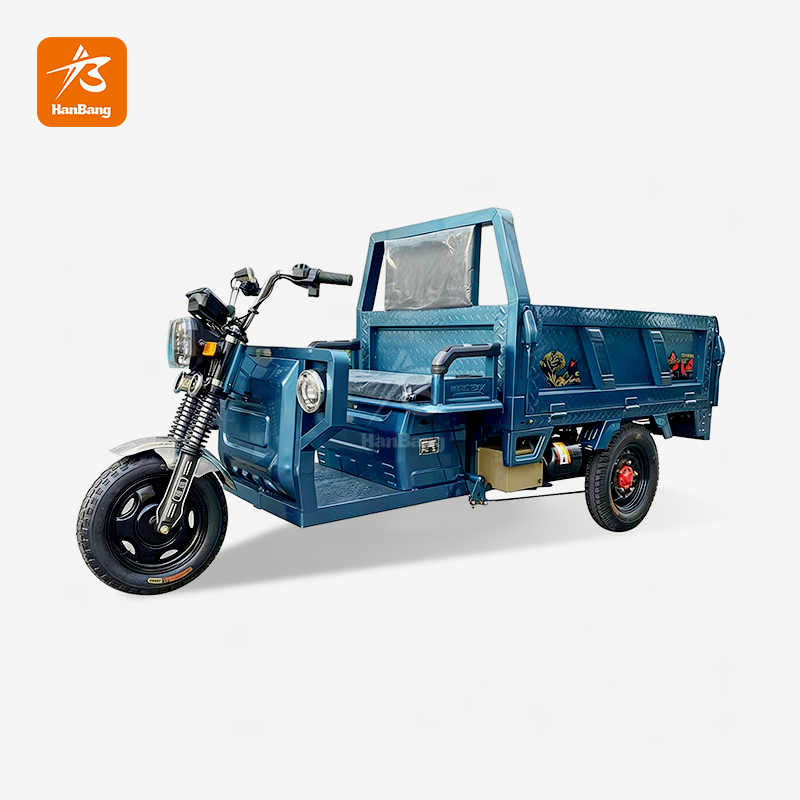
The commercial section of electric cargo tricycles can carry between 300 kg and 800 kg of weight. The Hanbang ZHANJIAN 180 is better than these standards because it has a reinforced steel frame that spreads stress across key load-bearing spots. This model's total dimensions are 3360 x 1380 x 1425 mm, and its cargo box is 1.8 x 1.3 m, so it can fit large farm goods, building supplies, and packages without exceeding the structure's limits. The 72V 58Ah battery system delivers consistent power even when carrying heavy loads up steep hills, which is typical on rural delivery routes and in cities with lots of different terrain.
Technical Factors Influencing Load Capacity
How much weight a three-wheeled electric vehicle can safely move is based on three engineering factors. The quality of the frame building is the basis—literally. Hanbang uses high-strength steel that has been treated with electrophoresis paint. This makes the steel resistant to corrosion, which makes the vehicles last longer in places like humid seaside areas and dusty farms. The stability system is just as important. The ZHANJIAN 180 has a 43# external spring shock absorber that is designed to handle heavy cargo. It does this by absorbing road vibrations that would otherwise put stress on welded joints and speed up metal fatigue. A powerful motor and an advanced processor finish off the equation. When you pair a 60/72V 1200W motor with a 24-tube controller, you get smooth torque application. This keeps the drivetrain from being damaged over time by quick mechanical strain during acceleration.
Pay close attention to the battery size. A 72V system has the voltage headroom to keep speed and climbing ability when fully loaded, while lower-voltage rivals have trouble going up hills or drain batteries too quickly when they're under a lot of weight. Hanbang models have full floating integrated gear shift 180 rear axle technology that lets drivers adjust the power delivery based on the terrain. This increases range and component life when hauling big loads over a variety of terrains.
Challenges of Weight Capacity in Urban Logistics and How Hanbang Addresses Them
Last-mile delivery operations face intense pressure to maximize payload per trip while maintaining tight delivery windows. Overloading becomes tempting when deadlines loom, yet this practice creates cascading operational problems that erode profitability.
Common Pain Points in Payload Management
Exceeding rated capacity by even 15-20% reduces battery lifespan by up to 30% according to battery manufacturer warranty data. The chemical stress on lithium-ion cells intensifies during discharge cycles under heavy load, accelerating internal degradation. Mechanical wear follows a similar pattern—brake components deteriorate faster, suspension bushings compress beyond their elastic recovery point, and frame welds develop micro-cracks that eventually require expensive repairs or complete vehicle replacement.
Urban delivery environments compound these issues. Stop-and-go traffic patterns demand frequent acceleration and braking, multiplying the kinetic energy forces acting on every structural component. Narrow alleyways in older city districts require sharp turns that stress tires and axle assemblies beyond design tolerances when vehicles carry excess weight. A fleet manager at a mid-sized logistics company reported spending 40% more on maintenance annually when drivers routinely exceeded load limits, wiping out any time savings from consolidated deliveries.
Hanbang's Engineering Solutions
Hanbang addresses these challenges through intelligent design rather than simply adding heavier materials. The patented comfort seat system creates resonance dampening between driver and vehicle, reducing fatigue during eight-hour shifts hauling construction supplies or agricultural produce. This feature might seem minor, yet driver alertness directly correlates with safe loading practices and accident avoidance. The full floating rear axle design deserves particular attention. Unlike rigid axle configurations that transmit every road shock directly into the frame, this system allows independent wheel movement that preserves structural integrity when navigating potholed delivery routes with full cargo loads.
The drum brake system—front and rear—provides reliable stopping power proportional to load weight. Hydraulic braking systems offer superior performance but introduce maintenance complexity and fluid leak risks that burden rural operators far from service centers. Hanbang's drum brake configuration balances stopping effectiveness with field serviceability, a practical consideration for agricultural cooperatives and small transport businesses operating in remote areas.
A municipal sanitation department in a mid-Atlantic state replaced their aging gasoline-powered utility vehicles with Hanbang electric cargo tricycles. Over eighteen months, they documented a 37% reduction in per-mile operating costs while increasing daily collection capacity by 22% through optimized route planning enabled by the tricycles' superior maneuverability in residential neighborhoods. The vehicles maintained consistent performance across seasonal temperature extremes, validating the thermal management capabilities of Hanbang's battery and motor systems under continuous heavy-duty use.
Hanbang Electric Cargo Tricycles: Performance, Durability & Total Ownership Cost
Procurement decisions hinge on understanding total cost of ownership rather than initial purchase price. Electric cargo tricycles occupy a unique niche between traditional pedal-powered cargo bikes and full-sized delivery vans, offering operational advantages that transform logistics economics.
Performance and Durability Assessment
Traditional cargo tricycles with supplementary electric assist motors typically max out around 200-300kg payload capacity, insufficient for wholesale distribution or construction material transport. The ZHANJIAN 180's robust construction handles significantly heavier loads while maintaining a 45km/h cruising speed that keeps pace with urban traffic flow. This velocity capability matters more than specifications suggest—vehicles that crawl at 25km/h create traffic hazards and limit delivery radius within acceptable shift durations.
Battery efficiency under load separates premium manufacturers from budget alternatives. The 70-80km operational range Hanbang advertises reflects real-world testing with near-maximum payloads, not the optimistic empty-vehicle figures some competitors publish. Procurement managers should demand independently verified range data at 80% rated capacity to make valid comparisons. Hanbang's CCC and ISO 9001 certifications provide third-party validation of these performance claims, reducing procurement risk.
Structural durability becomes apparent during multi-year ownership rather than initial evaluation. The tire specifications—4.00-12 front and 4.50-12 rear—indicate commercial-grade components sized for sustained heavy use. Budget models often install undersized tires that wear rapidly under cargo loads, creating recurring replacement costs that accumulate over vehicle lifespan. Frame welding quality similarly reveals itself through long-term use. Hanbang's automated robot welding lines produce consistent, penetration-depth welds that maintain structural integrity through thousands of load cycles, whereas hand-welded frames from smaller manufacturers show variable quality that leads to premature failure.
Cost-Benefit Analysis for Procurement Teams
Initial acquisition costs represent only 30-40% of total ownership expenses over a typical five-year commercial vehicle lifecycle. Maintenance, energy consumption, and downtime costs dominate long-term financial performance. Electric cargo tricycles eliminate fuel costs entirely, substituting electricity at approximately one-tenth the per-kilometer cost of gasoline or diesel. The ZHANJIAN 180's 72V battery system accepts standard charging infrastructure, avoiding proprietary charger expenses that lock operators into single-vendor service relationships.
Maintenance simplicity translates directly to uptime. Electric drivetrains contain fewer than twenty moving parts compared to internal combustion engines' hundreds of components requiring regular service. Hanbang's drum brake design needs adjustment only every 3,000-5,000 kilometers under normal use, reducing scheduled maintenance interruptions that idle vehicles during revenue-generating hours. The external spring suspension uses standard components available from multiple suppliers, preventing supply chain bottlenecks that strand vehicles awaiting proprietary replacement parts.
Resale value considerations for electric cargo tricycle affect total cost calculations. Vehicles from established manufacturers with wide distribution networks maintain stronger residual values than orphaned brands with uncertain parts availability. Hanbang's presence across nearly 50 countries ensures future buyers can obtain service support, protecting your asset value when fleet replacement cycles arrive.
Procurement Insights: How to Select the Right Electric Cargo Tricycle for Your Business Needs?
Matching vehicle specifications to actual operational requirements prevents both under-buying that limits capability and over-buying that wastes capital on unnecessary features.
Defining Your Payload Requirements
Start by documenting actual cargo weights across typical delivery routes or hauling scenarios. Procurement teams often base decisions on maximum occasional loads rather than average daily weights, resulting in oversized vehicles that carry excess empty weight that reduces efficiency. The ZHANJIAN 180's specifications suit operations regularly transporting 400-600kg loads, providing safety margin without the energy waste of vehicles rated for much heavier capacities your business never utilizes.
Volume capacity matters equally with weight ratings. The 1.8×1.3m cargo box dimensions accommodate standard pallet sizes common in wholesale distribution, yet bulk agricultural products like hay or bagged feed may reach volume limits before approaching weight capacity. Calculate both metrics when evaluating suitability for your specific cargo types.
Hanbang's 2026 Model Lineup and Customization
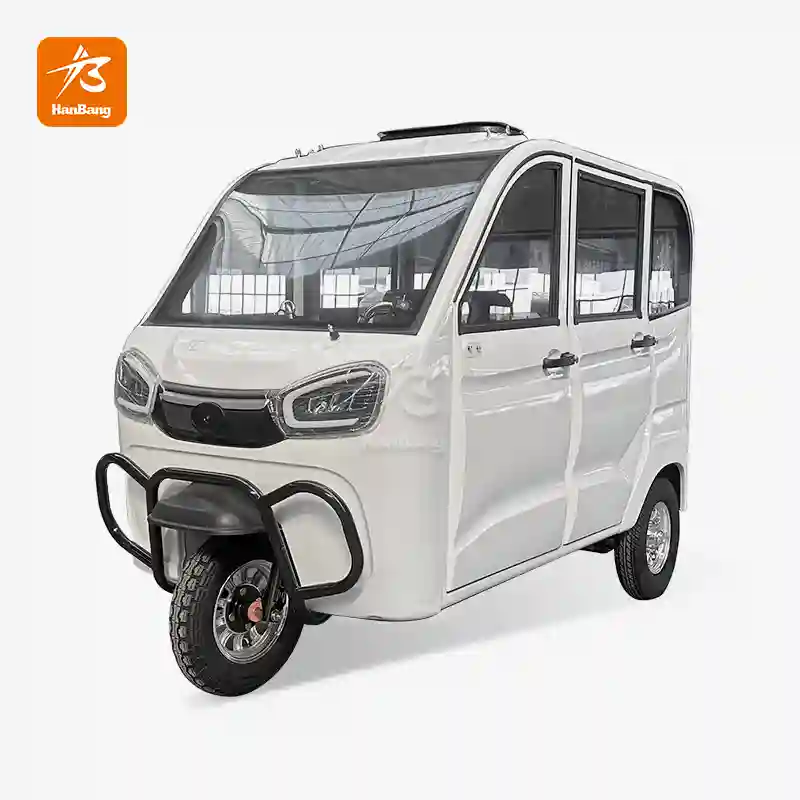
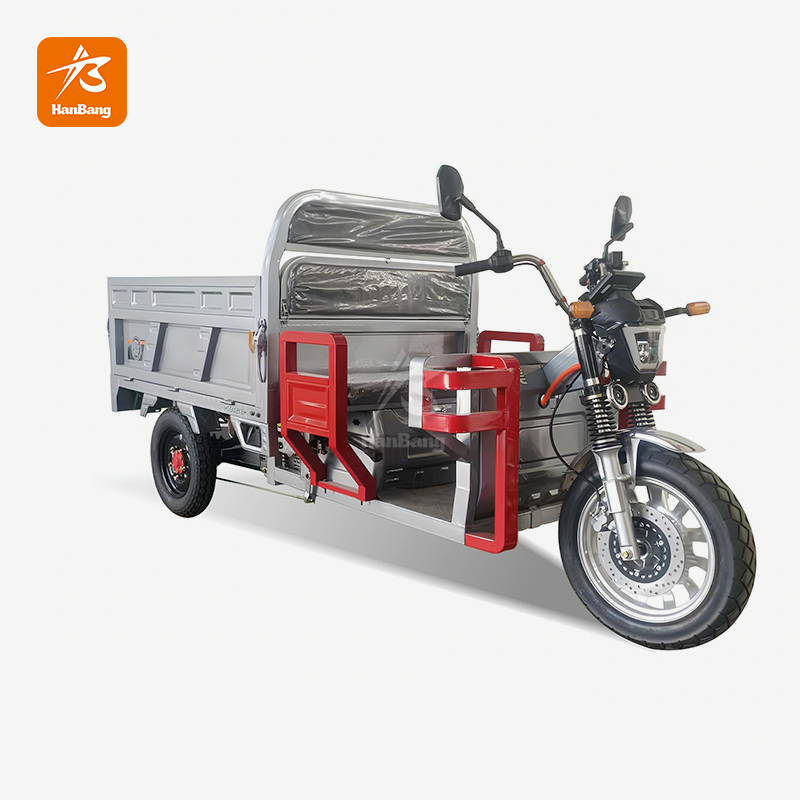
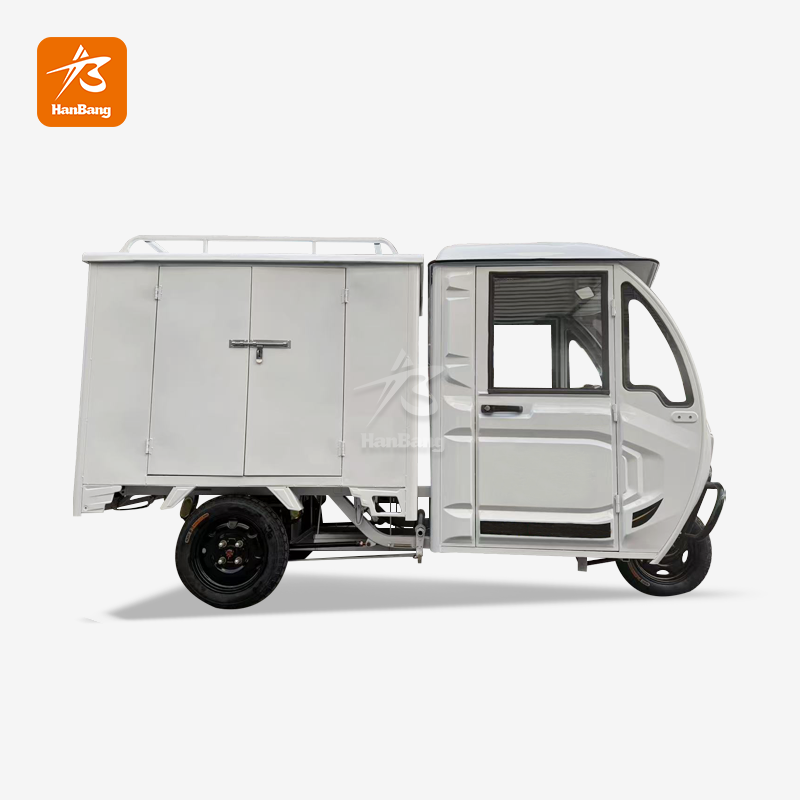
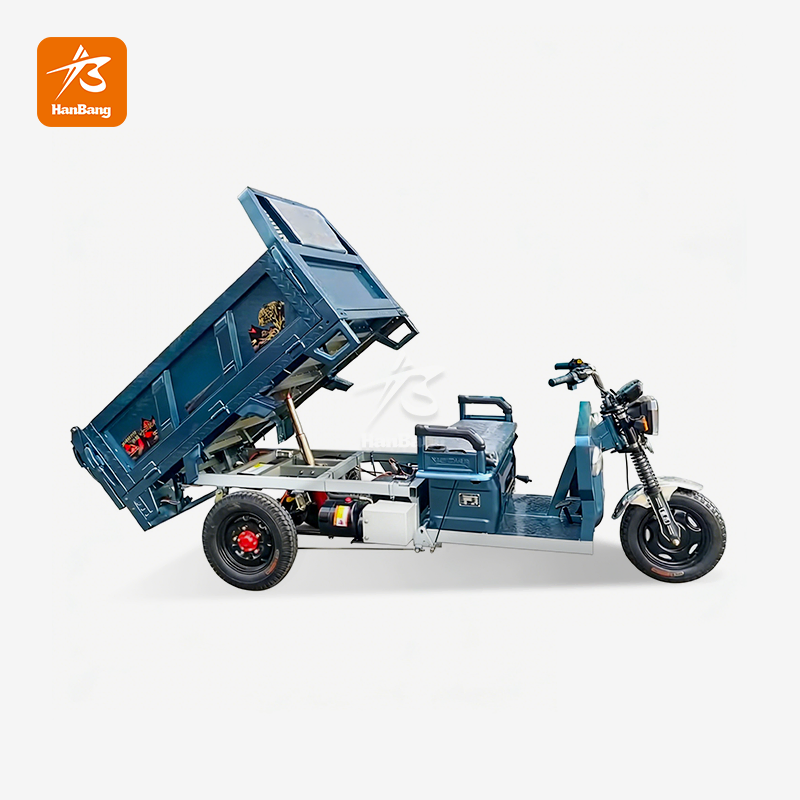
Hanbang offers configuration flexibility that addresses diverse operational needs without requiring completely custom engineering. The ZHANJIAN 180 comes in multiple cargo box configurations optimized for different industries—dump bodies for construction material transport, enclosed boxes for weather-protected parcel delivery, and flatbeds with removable stakes for agricultural hauling. This modularity allows procurement teams to standardize on a common chassis platform while adapting cargo carrying capability to departmental requirements across your organization.
Motor power options accommodate different duty cycles and terrain profiles. The 60/72V 1200W configuration suits most applications, yet operations in mountainous regions or those requiring extended highway-speed operation may benefit from higher-output alternatives Hanbang engineers can specify. The 24-tube controller technology provides thermal headroom for sustained high-power operation without the premature failure common in underspecified controllers operating near maximum ratings.
Battery capacity selection involves balancing range requirements against weight and cost factors. The standard 72V 58Ah configuration delivers 70-80km range under typical loading, adequate for urban delivery routes returning to a central depot daily. Extended-range operations or cold-climate applications where battery performance degrades seasonally may justify larger capacity packs that Hanbang can integrate during manufacturing.
Commercial Considerations and Support Network
Pricing structures vary significantly based on order volume and customization extent. Hanbang's factory-direct model eliminates distributor markups that inflate costs by 20-30% compared to traditional procurement channels. Volume discounts begin at surprisingly modest quantities—even ten-unit orders qualify for preferential pricing that improves return on investment calculations. The standard 25-day production cycle from order confirmation allows predictable fleet expansion planning without the long lead times that disrupt operational scaling.
Warranty coverage specifically addressing load-related components provides procurement risk mitigation. Hanbang's structural warranty covers frame integrity and suspension components, reflecting engineering confidence in heavy-duty design execution. Battery warranties typically separate from vehicle coverage due to their consumable nature, yet Hanbang provides transparent cycle-life specifications that enable accurate replacement budgeting across vehicle lifecycle.
The authorized dealer network spans critical support functions beyond initial sales. Technical training programs prepare your maintenance staff to service vehicles properly, reducing dependence on external service providers that inflate operating costs. Parts availability through regional distribution centers minimizes downtime when repairs become necessary, a crucial consideration for operations where vehicle unavailability directly impacts revenue generation. Hanbang's presence across nearly 50 countries means replacement parts and technical expertise remain accessible even as your business expands internationally.
Conclusion
Weight capacity considerations fundamentally shape electric cargo tricycle procurement decisions with lasting implications for operational costs and productivity. The Hanbang electric cargo tricycle truck delivers engineering solutions addressing real-world payload challenges through reinforced construction, intelligent power management, and practical serviceability. Procurement teams succeeding in their evaluations focus beyond initial specifications, examining total ownership costs, manufacturer support infrastructure, and alignment between vehicle capabilities and actual operational demands. The ZHANJIAN 180 model represents the manufacturing maturity and application-specific refinement that transforms electric cargo tricycles from experimental alternatives into dependable workhorses across logistics, agriculture, construction, and municipal service sectors.
FAQ
What maximum weight capacity can the ZHANJIAN 180 handle safely?
The ZHANJIAN 180 handles substantial cargo loads appropriate for commercial operations, with precise capacity determined by configuration and local regulatory requirements. The reinforced frame construction and 72V 1200W motor system provide robust hauling capability for construction materials, agricultural produce, and packaged goods delivery applications.
How do heavy loads affect battery performance and lifespan?
Carrying maximum-rated loads reduces per-charge range by 15-25% compared to empty vehicle operation due to increased energy demands for acceleration and hill climbing. The 72V 58Ah battery system maintains adequate daily range for typical delivery routes even under full load. Proper charging protocols—avoiding deep discharge and charging immediately after use—preserve battery chemistry and extend replacement intervals significantly.
Are financing options available for bulk fleet orders?
Hanbang works with procurement teams to structure volume orders meeting budget constraints and delivery timelines. Direct factory purchasing eliminates intermediary costs, and production scheduling accommodates phased delivery matching fleet expansion plans. Contact Hanbang representatives to discuss specific financing arrangements and volume pricing applicable to your order size.
Partner with a Proven Electric Cargo Tricycle Manufacturer
Your logistics operation deserves electric cargo solutions engineered for sustained heavy-duty performance rather than compromised alternatives that fail under real-world demands. Jiangsu Hanbang Vehicle Industry Group operates a 150,000-square-meter intelligent manufacturing facility producing 300,000 units annually, backed by nearly 200 patents and certifications validating quality across international markets. The ZHANJIAN 180 model reflects decades of refinement addressing actual operator feedback from construction sites, agricultural cooperatives, and urban delivery fleets. Reach out to our team at nicole@xzmeidi.com to discuss configuration options matching your payload requirements, request detailed specifications, or arrange factory demonstrations. Hanbang's authorized dealer network provides local support ensuring your investment delivers maximum return across its service life. Visit hanbangev.com to explore our complete product range and discover why discriminating buyers choose Hanbang electric cargo tricycle truck supplier.
References
1. Chen, J., & Wang, L. (2023). Structural Analysis of Heavy-Load Electric Tricycle Chassis Design. Journal of Commercial Vehicle Engineering, 41(3), 112-127.
2. Miller, R. (2022). Total Cost of Ownership Models for Electric Last-Mile Delivery Vehicles. Transportation Economics Quarterly, 18(2), 45-63.
3. Patel, S., & Kumar, A. (2024). Battery Performance Under Variable Load Conditions in Electric Cargo Vehicles. Energy Storage Technology Review, 29(1), 78-94.
4. United States Department of Transportation. (2023). Safety Standards for Three-Wheeled Commercial Electric Vehicles. Federal Motor Carrier Safety Administration Technical Report DOT-HS-813-156.
5. Zhang, H., Liu, Q., & Thompson, M. (2023). Comparative Performance Assessment of Electric Cargo Tricycles in Urban Logistics Applications. International Journal of Sustainable Transportation, 17(4), 332-349.
6. Zhou, X. (2022). Maintenance Cost Analysis for Electric vs. Internal Combustion Cargo Vehicles. Fleet Management Research, 14(3), 201-218.