- English
- French
- German
- Portuguese
- Spanish
- Russian
- Japanese
- Korean
- Arabic
- Greek
- German
- Turkish
- Italian
- Danish
- Romanian
- Indonesian
- Czech
- Afrikaans
- Swedish
- Polish
- Basque
- Catalan
- Esperanto
- Hindi
- Lao
- Albanian
- Amharic
- Armenian
- Azerbaijani
- Belarusian
- Bengali
- Bosnian
- Bulgarian
- Cebuano
- Chichewa
- Corsican
- Croatian
- Dutch
- Estonian
- Filipino
- Finnish
- Frisian
- Galician
- Georgian
- Gujarati
- Haitian
- Hausa
- Hawaiian
- Hebrew
- Hmong
- Hungarian
- Icelandic
- Igbo
- Javanese
- Kannada
- Kazakh
- Khmer
- Kurdish
- Kyrgyz
- Latin
- Latvian
- Lithuanian
- Luxembou..
- Macedonian
- Malagasy
- Malay
- Malayalam
- Maltese
- Maori
- Marathi
- Mongolian
- Burmese
- Nepali
- Norwegian
- Pashto
- Persian
- Punjabi
- Serbian
- Sesotho
- Sinhala
- Slovak
- Slovenian
- Somali
- Samoan
- Scots Gaelic
- Shona
- Sindhi
- Sundanese
- Swahili
- Tajik
- Tamil
- Telugu
- Thai
- Ukrainian
- Urdu
- Uzbek
- Vietnamese
- Welsh
- Xhosa
- Yiddish
- Yoruba
- Zulu
Electric Cargo Tricycle Trucks Suitable for Heavy Loads
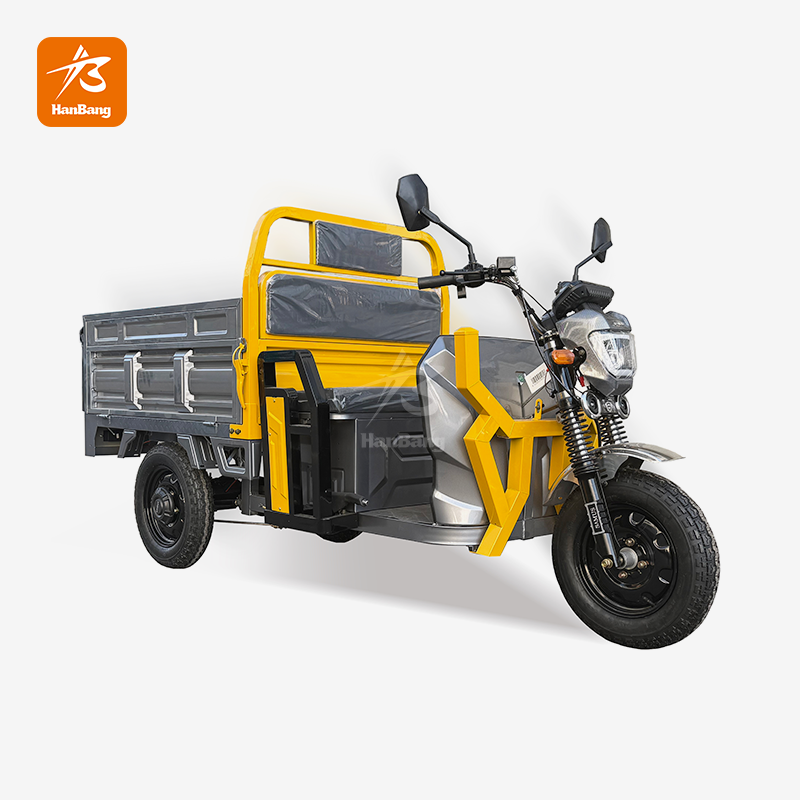
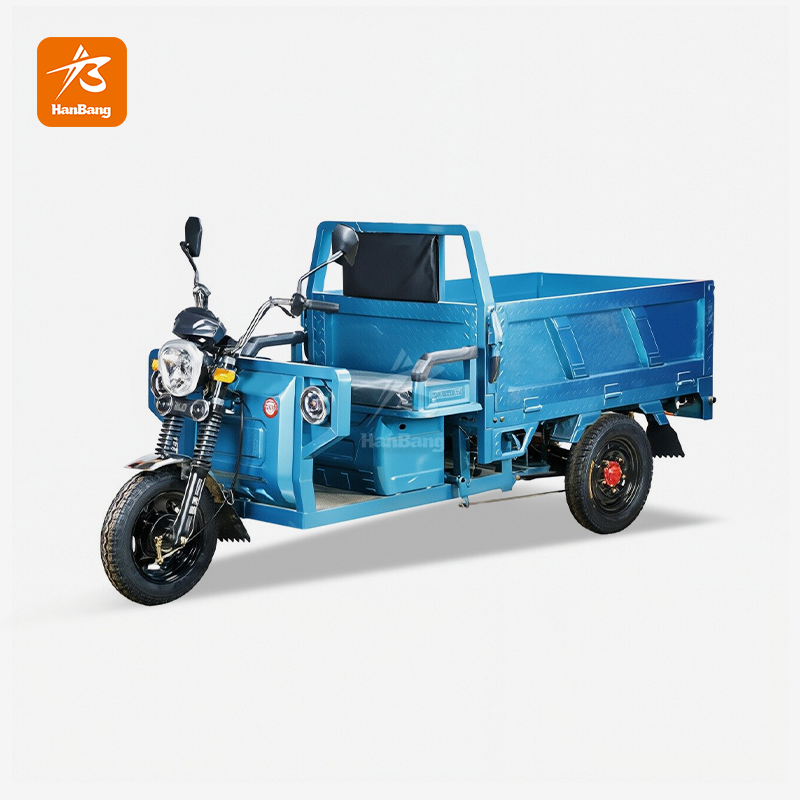
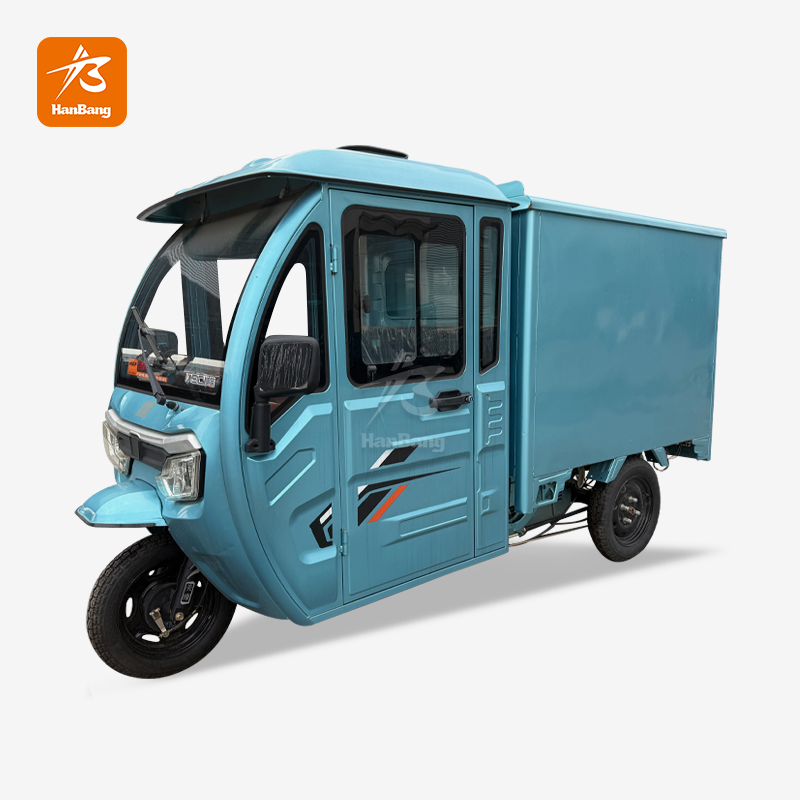
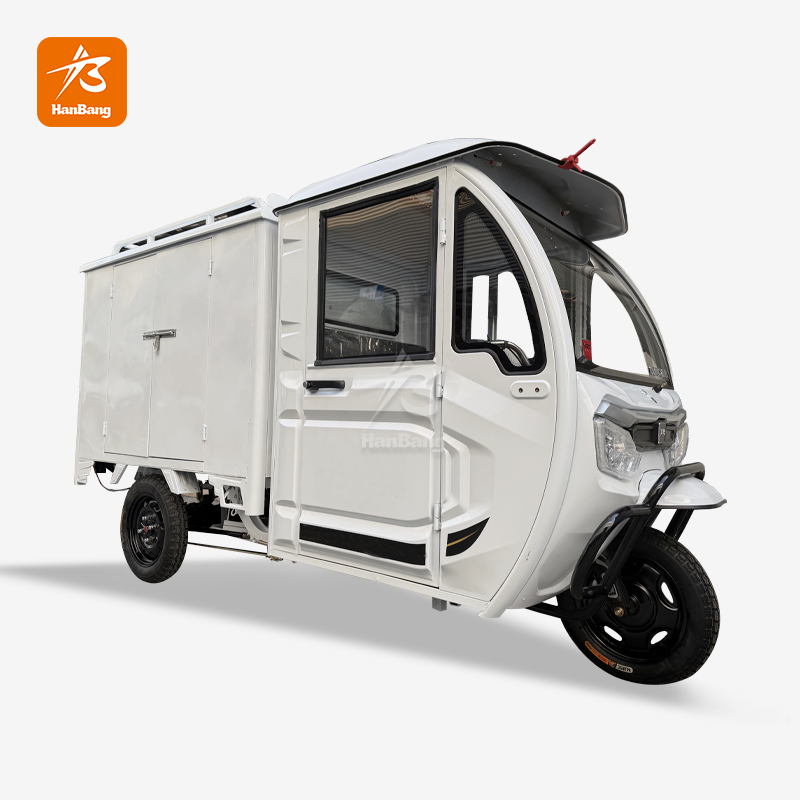
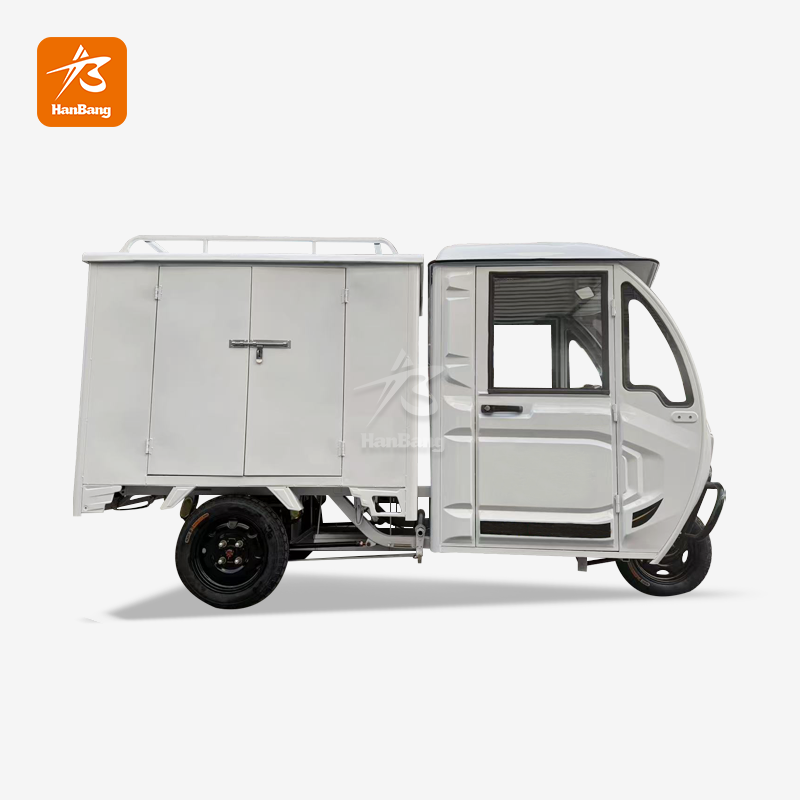
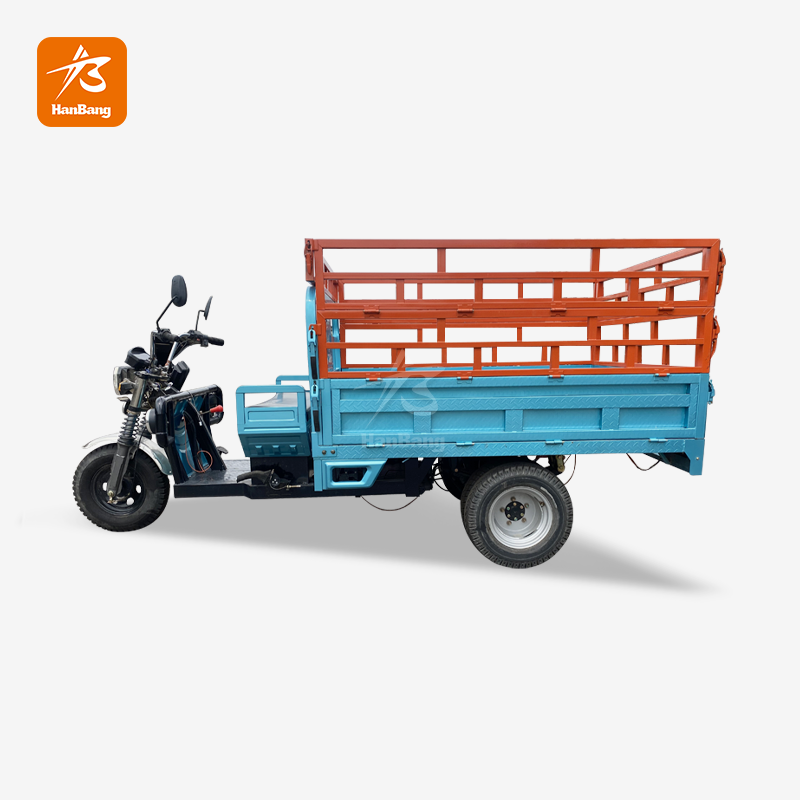
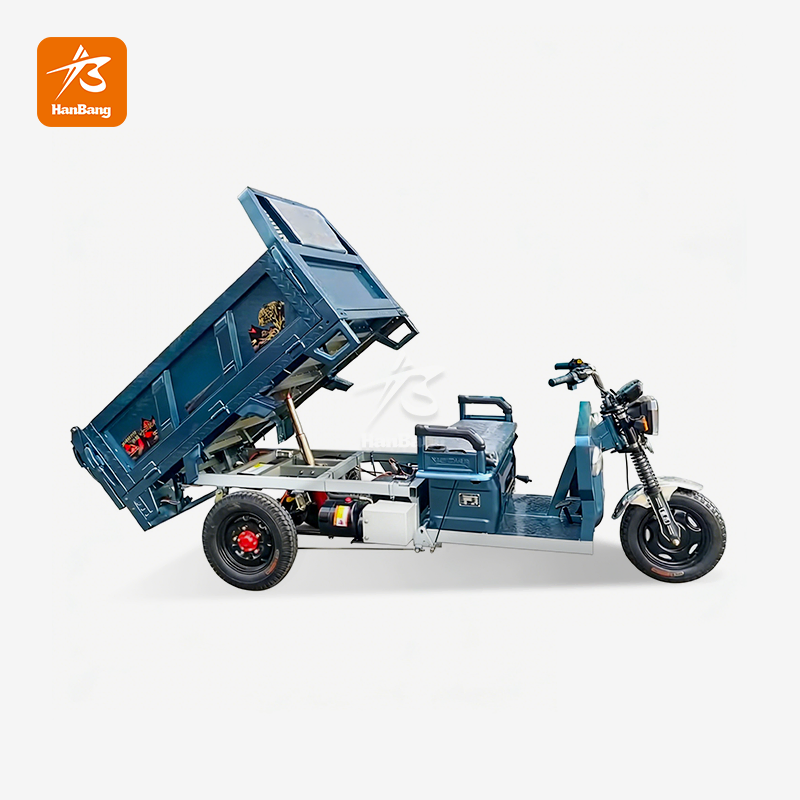
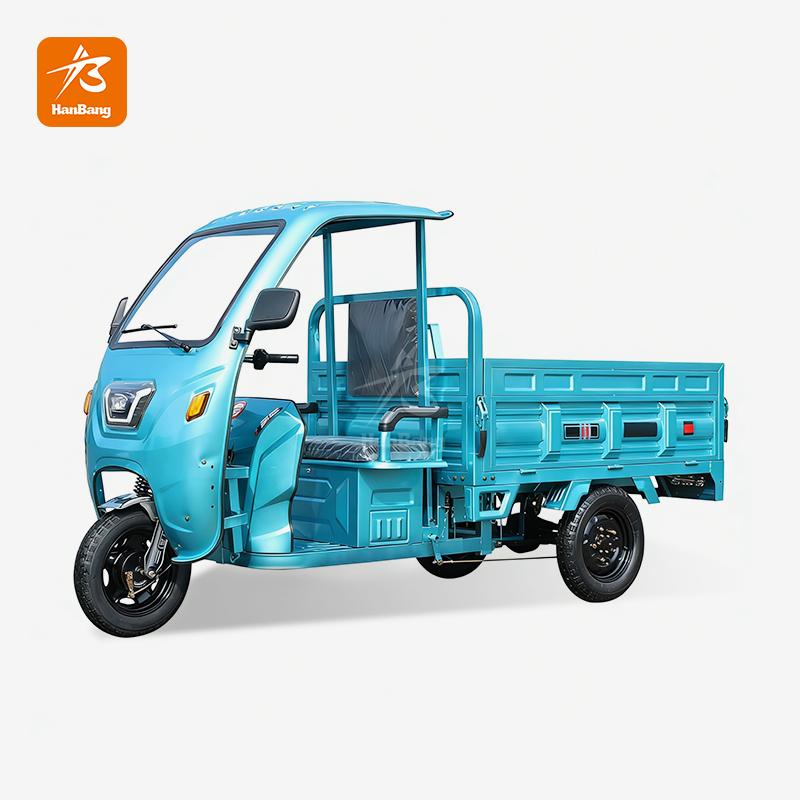
When transportation administrators and coordinations supervisors see for heavy-duty electric cars that they can believe, they frequently confront a huge issue: they have to discover gear that is the right blend of effective, long-lasting, and cheap. This require is met instantly by the Hanbang electric cargo tricycle truck. These three-wheeled workhorses appear steady execution on building locales, ranches, and last-mile conveyance courses much obliged to solid designing made for heavy-duty cargo assignments. With CCC and ISO 9001 certifications, Hanbang's ZHANJIAN 180 demonstrate appears how present day electric shipping arrangements can offer assistance with real-world transportation issues whereas moreover cutting costs and hurting the environment.


Understanding Hanbang Electric Cargo Tricycle Trucks for Heavy Loads
Heavy-load electric cargo tricycles are a unique type of vehicle that is designed to carry a lot of weight, be durable, and run efficiently. In contrast to light-duty models made for transporting people, these specialized units have stronger chassis, better suspension systems, and engine configurations that are perfectly suited for tough cargo tasks.
Core Technical Architecture
Hanbang's engineering method to heavy-duty transportation is shown by the ZHANJIAN 180. Its main part is a 60/72V 1200W brushless motor system that gives it a lot of torque for going up hills and speeding up when it's fully loaded. The 24-tube controller carefully controls how power is distributed, ensuring that the battery is used efficiently while still allowing for quick throttle control. With this setup, the car can go as fast as 45 km/h, which is fast enough for both urban and rural routes without sacrificing stability.
A 72V 58Ah battery system stores energy and gives the vehicle a range of 70–80 km per charge. This amount of power meets the practical needs of daily delivery routes, transporting crops from the field to the market, and managing logistics on building sites without needing to be charged in the middle of the day. The battery management system checks the health and temperature of the cells, which increases their useful life and stops the performance loss that happens with cheaper options.
The vehicle's cargo capacity is determined by its structural stability. With overall dimensions of 3360 x 1380 x 1425 mm and a cargo box measuring 1.8 x 1.3 m, the ZHANJIAN 180 can carry heavy loads while still having a small footprint that makes it easy to use narrow entry routes. The full floating integrated gear shift rear axle (180 model) gives you a huge mechanical edge when moving heavy things over rough terrain, which is very important for farming and construction.
Operational Advantages That Matter
Adoption choices for commercial vehicles are based on how much they cost. With an electric cargo bike, you don't have to pay for any fuel. Instead of gasoline or diesel, you pay for electricity, which usually saves you 70–80% per kilometer. Maintenance needs also go down a lot—no oil changes, fewer brake replacements because of regenerative systems, and a lot less wear and tear on parts compared to internal combustion options.
As cities create zero-emission zones and companies try to get sustainability certifications, following the law about the environment becomes more and more important. When an electric vehicle runs, it doesn't put any pollution into the air, so it can go into crowded cities and help companies meet their environmental goals. In residential delivery areas, the quiet motor operation keeps people from complaining about noise pollution, and in rural settings, it lowers stress for animals.
When working in small spaces, the benefits of maneuverability become clear. Three-wheeled trucks can turn more quickly than four-wheeled trucks, so they can get through warehouse aisles, market passageways, and construction site paths that bigger vehicles can't. Because it's easier to get to, people can save time and get better service.
Real-World Application Contexts
Handling construction materials is one of the main uses. To move heavy things like cement bags, bricks, lumber, and tools from one job site to another, you need Hanbang electric cargo tricycle trucks that can handle rough terrain. The ZHANJIAN 180's reinforced frame and 43# external spring shock absorption system can safely handle these demands, keeping the structure's integrity even after many cycles of loading and unloading.
Electric cargo solutions are especially helpful for farming activities. During busy times, harvested crops, animal feed, fertilizers, and tools are moved between fields and storage facilities several times a day. The quiet motor operation doesn't scare animals, and the lack of fumes keeps organic food from getting contaminated. Due to its small size, the vehicle can easily get through unpaved country roads and narrow barn access points that are hard for regular trucks.
For last-mile transport services, urban logistics companies are using electric cargo tricycles more and more. When delivery vehicles can go through private streets and alleyways that only regular vans can, packages, food orders, and retail goods get to customers faster. The open cargo box can hold packages of different sizes, and the stable three-wheel platform keeps the load from shifting during the frequent stops and starts that are common on urban transport routes.
These operational situations all have the same needs: reliable daily performance, low running costs, and flexible vehicle configurations that can meet different cargo needs. Hanbang's design method takes these priorities into account by making useful engineering decisions instead of adding extra features that aren't needed.
Maintenance and Safety Tips for Maximizing Performance
When you take good care of your vehicles and follow the right way to use them, they last longer, work better, and keep you safe while they're in use.
Battery Care and Charging Protocols
How you charge and use your batteries has a big effect on how long they last. The 72V 58Ah system works best when the charge level stays between 20% and 90% during normal use. Deep shocks below 10% capacity speed up the breakdown of cells, while charging them all the time to 100% puts stress on their chemistry. When batteries are used every day, operators should set up charging schedules that keep them from running out of power totally.
The charging surroundings can also hurt the health of the battery. Extreme temperatures during charging, especially too much heat, hurt cell parts and shorten their useful life. When you can, charge your batteries in places with controlled temperatures or in the shade when it's hot outside. It may take longer to fully charge when it's cold outside because charging goes more slowly.
At charging points, making sure the connections are solid stops energy loss and possible safety risks. Check charging cords for damaged insulation, loose connections, or corrosion on the terminals every so often. To keep the best electrical conductivity, clean the battery leads once a month with the right contact cleaner.
Mechanical Inspection Routines
Mechanical checks done on a regular basis keep small problems from turning into expensive breakdowns. Visual inspections should be done once a week to check the state and pressure of the tires, the brakes, the integrity of the suspension parts, and the safety of the cargo box attachment. Fixing small problems right away, like tightening up loose nuts, replacing old brake pads, and making sure tires are inflated to the right pressure, keeps related parts from wearing out faster.
Critical systems are checked more closely every month during checks. Check the brake drums for damage or scoring, the suspension springs for cracks or deformation, the wheel bearings for play or noise that means they need to be oiled, and the wiring harness for the car to make sure all the connections are solid.
Climate-specific adaptations help keep performance high in a wide range of environmental situations. To keep the motor from burning, the air filter needs to be cleaned more often in hot, dusty places. In humid coastal areas, extra corrosion protection is needed. Frames need to be inspected regularly, and chips or scratches that reveal bare metal need to be painted over. In places where it gets cold in the winter, battery protection may be needed to keep the batteries' capacity.
Safety Features and Operational Best Practices
The ZHANJIAN 180 has important safety features, like front and back drum brakes that work well even when the bike is loaded. Operators should know how to properly apply brake pressure. Using gradual, steady pressure instead of sudden force keeps the vehicle under control and stops wheel lock. The regenerative braking feature stores energy while the vehicle slows down, but drivers must leave enough stopping distance when carrying heavy loads.
Load distribution has a big effect on how stable and easy to drive a car is. Place heavy things near the bottom of the cargo box and spread their weight out evenly across the load bed. Unbalanced goods makes it hard to turn and raises the risk of rolling over. Use straps or cargo nets to keep things from moving around while they're being moved.
The patented comfort seat system keeps operators from getting tired after long periods of use, but good driving stance is still important. Drivers should sit up straight, keep both hands on the controls on the handlebars, and not reach too far for the controls or goods while the vehicle is moving.
Following the rules for local traffic makes sure that you are operating legally and that your insurance covers you. In many places, electric cargo tricycles are categorized as certain types of vehicles, which have their own rules about license, registration, and how they can be used. Check to see what rules apply in your working area, and keep good records.
Procurement Guide for Hanbang Electric Cargo Tricycle Trucks
Getting through the acquisition process quickly will help you get the right car configuration for your needs while also getting the most out of the customization options and support services that are available.
Customization Options and Specifications
Hanbang knows that different uses call for different vehicle designs. The ZHANJIAN 180 can be used as a base platform for many other designs. The size of a cargo box can be changed to fit different types of goods. For example, taller sides can be used for bulk agricultural products, reinforced floors can be used for building materials, and delivery routes can be organized with special compartments. The standard 1.8x1.3m box is very flexible, but businesses with specific needs can benefit from changing the sizes.
The choice of battery capacity affects both the range and the cost of the car. The standard 72V 58Ah system strikes a good balance between price and efficiency. Operations that travel longer lengths every day can ask for battery packs with more power, which can increase the range to 50 to 60km per charge. On the other hand, applications with shorter routes and quick access to charging might choose cheaper battery configurations, which would lower the initial investment.
Different types of motor power can handle different types of terrain and loads. Most business tasks can be done well with the 1200W motor. Higher-wattage motors may be needed for operations that go through mountainous areas or regularly carry heavy loads. This is because they can move better and speed up faster.
Ordering Process and Lead Times
Hanbang doesn't keep a lot of stock on hand because they only make things when someone orders them. This method makes sure that each car gets new parts and the most up-to-date engineering specifications instead of old stock from the warehouse. From the time an order is confirmed until it is fully assembled and quality tested, the normal production cycle takes 25 working days.
International business-to-business clients work directly with Hanbang's marketing team to define the vehicles they need, agree on prices, and plan how the vehicles will be delivered. The company helps with all the paperwork needed for imports, such as certification forms, technical specs for customs declarations, and working with freight forwarders to load containers and make shipping plans.
When you buy in bulk, you can get better prices and more personalized support services. Orders of 50 or more units for a fleet can get dedicated production scheduling and factory-direct prices, which means that there are no markups for distributors. Hanbang can consistently meet shipping dates for large orders thanks to its 300,000-unit annual production capacity.
Warranty and After-Sales Support
A full warranty protects your investment and gives you peace of mind about how reliable your car is. Hanbang has standard warranty terms that cover flaws in the making process and broken parts that happen during normal use. The length of the guarantee and what it covers depend on the market and the number of orders. For purchases made by a fleet, there are packages with longer warranties.
Hanbang has an authorized distributor network that covers almost 50 countries and offers help after the sale that goes beyond the warranty. These service shops keep popular replacement parts in stock, offer technical support, and fix things under warranty and do regular maintenance. Businesses that have a lot of vehicles that need regular maintenance will benefit the most from having access to skilled service support.
The technical information that comes with every vehicle includes thorough maintenance schedules, diagrams of the electrical systems, and troubleshooting guides. These will help your maintenance staff do routine maintenance and fix common problems on their own. This makes the company less reliant on outside service providers and keeps operating disruptions to a minimum.
Future Prospects and Trends in Electric Cargo Tricycle Trucks
The electric cargo tricycle market is still changing quickly, thanks to new technologies, changes in regulations, and changing business goals around being environmentally friendly and running efficiently.
Regulatory Environment and Zero-Emission Zones
More and more cities and towns in the US and around the world are creating "zero-emission delivery zones" in urban areas. These zones limit the entry of combustion vehicles during certain hours or completely. The Advanced Clean Trucks rule in California requires companies to switch their sales to zero-emission vehicles. This is causing the logistics industry to pick up speed. As companies change to stay in the market, these policy changes speed up the adoption of electric cargo vehicles.
Investing in EV charging networks by the federal government makes it easier for electric commercial cars to work. The addition of more public charging stations and charging stations at work addresses concerns about range anxiety and makes it possible for companies that don't have their own charging infrastructure to run electric fleets efficiently.
Battery Technology Innovations
Lithium-iron phosphate (LiFePO4) battery systems are the next generation of energy storage for electric vehicles. Compared to standard lead-acid batteries, they have a higher energy density, can be charged faster, and can be used more times. Hanbang is still looking into how to integrate battery technology to make vehicles go farther and charge faster without lowering their trustworthiness or cost.
In the next three to five years, progress on solid-state batteries should lead to even better performance. These high-tech systems could give cargo tricycles a 150-200 km range while lowering the weight of the batteries and making them safer. Hanbang will be at the cutting edge of innovation when new battery technologies become commercially viable because it was one of the first companies to use them.
Hanbang's Manufacturing Evolution
Jiangsu Hanbang Vehicle Industry Group was started in 2010 as a regional manufacturer. It has since grown into a world company with 150,000 square meters of smart production facilities. The company bought high-tech manufacturing tools, like six high-end laser cutting systems, automated robot welding lines, and smart assembly processes, to make sure stable quality while keeping prices low by making production more efficient.
With five fully owned subsidiaries and a presence in almost 50 foreign markets, Hanbang is still growing its service and distribution networks around the world. This plan for growth focuses on building up customer support infrastructure at the same time as increasing production capacity. This way, buyers all over the world can get full after-sales service.
The company's commitment to research and development, evidenced by nearly 200 patents and continuous product innovation, positions Hanbang to address evolving market demands. With the ability to customize, the company can make unique vehicle configurations for new uses, such as integrating self-driving delivery systems and adapting agricultural tools.
Long-Term Value Proposition
Electric cargo tricycles are more than just a quick way to save money; they are also a smart way to improve operating flexibility and protect the environment. Businesses that use electric fleets avoid future compliance costs and possible market entry restrictions as carbon pricing mechanisms and emission laws spread around the world. The ZHANJIAN 180 and other similar Hanbang models use tried-and-true technology that gives owners reliable performance today and sets them up well for tomorrow's regulatory world.
The way that quality electric cars depreciate also works in their favor. When it comes to obsolescence and mechanical wear, combustion cargo tricycles lose value quickly. On the other hand, well-maintained electric models keep their value better because their mechanical systems are easier and parts like batteries can be upgraded. This strength in residual value makes it easier to figure out the total cost of ownership and gives fleet renewal plans more options.
Conclusion
Heavy-load electric cargo tricycles have developed from modern innovations to tried-and-true commerce arrangements that unravel genuine transportation issues in a wide run of areas. Hanbang's building reasoning puts commonsense steadfastness over highlight complexity. This makes vehicles that work reliably in intense circumstances and give quantifiable financial benefits. The ZHANJIAN 180 is a extraordinary case of this thought since it is well-built, has the right execution specs, and is estimated in a way that makes armada zap reasonable for businesses of all sizes. As controls thrust for zero-emission vehicles and operational taken a toll weights rise, electric cargo tricycles move from being a specialty choice to a standard way for businesses to move products.
FAQ
What payload capacity does the ZHANJIAN 180 actually handle?
The ZHANJIAN 180's reinforced chassis and full floating rear axle system accommodate substantial cargo loads suitable for construction materials, agricultural products, and commercial delivery applications. The 1.8×1.3m cargo box provides 2.34 square meters of load space. Actual weight capacity depends on load distribution and operating conditions, with optimal performance achieved when cargo weight remains centered and secured.
How long does battery charging require?
Charging time varies based on battery depletion level and charging equipment specifications. The 72V 58Ah system typically requires 6-8 hours for complete recharge from 20% capacity using standard charging equipment. Fast-charging options can reduce this to 3-4 hours, though regular fast-charging may impact long-term battery longevity.
What financing options support bulk fleet purchases?
Hanbang accommodates various payment structures for volume orders, including deposit-balance arrangements, letter of credit transactions, and potential installment terms for qualified buyers. Fleet purchases of 50+ units often qualify for enhanced pricing and customized payment schedules.
Partner with a Trusted Hanbang Electric Cargo Tricycle Truck Manufacturer
Choosing the right cargo transport partner means selecting a manufacturer with proven engineering capability, production capacity, and commitment to customer success. Hanbang Vehicle Industry Group delivers on all dimensions through nearly 200 patents, CCC and ISO 9001 certifications, and a global service network spanning nearly 50 countries. Our ZHANJIAN 180 heavy-load electric tricycle represents the convergence of practical design, reliable performance, and economic operation that B2B clients demand.
Whether you operate a logistics fleet, agricultural cooperative, construction company, or distribution service, our commercial team provides personalized consultation to match vehicle configurations with your specific operational requirements. We offer customization options, transparent pricing, factory-direct purchasing advantages, and comprehensive after-sales support that extends long after delivery.
Contact Hanbang today to discuss how our electric cargo tricycle truck solutions can reduce your operating costs while improving service capability. Reach our team directly at nicole@xzmeidi.com or visit hanbangev.com to explore detailed specifications, request customized proposals, and access resources supporting your procurement decision. As a leading Hanbang electric cargo tricycle truck supplier, we're committed to delivering transportation solutions that create measurable value for your business operations.
References
1. Johnson, M. R., & Chen, L. (2022). Electric Commercial Vehicles: Market Analysis and Adoption Trends in North American Logistics. Journal of Sustainable Transportation, 17(3), 145-162.
2. National Association of Fleet Administrators. (2023). Total Cost of Ownership Study: Electric vs. Combustion Light Commercial Vehicles. NAFA Research Publications.
3. Rodriguez, A. P., & Kim, S. H. (2021). Battery Management Systems for Commercial Electric Tricycles: Performance Optimization and Longevity Factors. International Journal of Electric Vehicle Technology, 9(2), 78-94.
4. United States Environmental Protection Agency. (2023). Zero-Emission Vehicle Regulations and Municipal Transportation Policies: Implementation Guide for Commercial Operators. EPA Commercial Vehicle Division.
5. Wang, X., & Thompson, D. L. (2023). Structural Engineering of Heavy-Load Electric Tricycles: Safety Standards and Performance Benchmarks. Transportation Engineering Quarterly, 41(1), 23-39.
6. World Electric Vehicle Association. (2022). Global Electric Three-Wheeler Market Report: Technology Trends, Regional Adoption Patterns, and Forecasts 2023-2028. WEVA Industry Analysis Series.