- English
- French
- German
- Portuguese
- Spanish
- Russian
- Japanese
- Korean
- Arabic
- Greek
- German
- Turkish
- Italian
- Danish
- Romanian
- Indonesian
- Czech
- Afrikaans
- Swedish
- Polish
- Basque
- Catalan
- Esperanto
- Hindi
- Lao
- Albanian
- Amharic
- Armenian
- Azerbaijani
- Belarusian
- Bengali
- Bosnian
- Bulgarian
- Cebuano
- Chichewa
- Corsican
- Croatian
- Dutch
- Estonian
- Filipino
- Finnish
- Frisian
- Galician
- Georgian
- Gujarati
- Haitian
- Hausa
- Hawaiian
- Hebrew
- Hmong
- Hungarian
- Icelandic
- Igbo
- Javanese
- Kannada
- Kazakh
- Khmer
- Kurdish
- Kyrgyz
- Latin
- Latvian
- Lithuanian
- Luxembou..
- Macedonian
- Malagasy
- Malay
- Malayalam
- Maltese
- Maori
- Marathi
- Mongolian
- Burmese
- Nepali
- Norwegian
- Pashto
- Persian
- Punjabi
- Serbian
- Sesotho
- Sinhala
- Slovak
- Slovenian
- Somali
- Samoan
- Scots Gaelic
- Shona
- Sindhi
- Sundanese
- Swahili
- Tajik
- Tamil
- Telugu
- Thai
- Ukrainian
- Urdu
- Uzbek
- Vietnamese
- Welsh
- Xhosa
- Yiddish
- Yoruba
- Zulu
How to Choose the Right Electric Three Wheeler Cargo Motorcycle for Your Business?
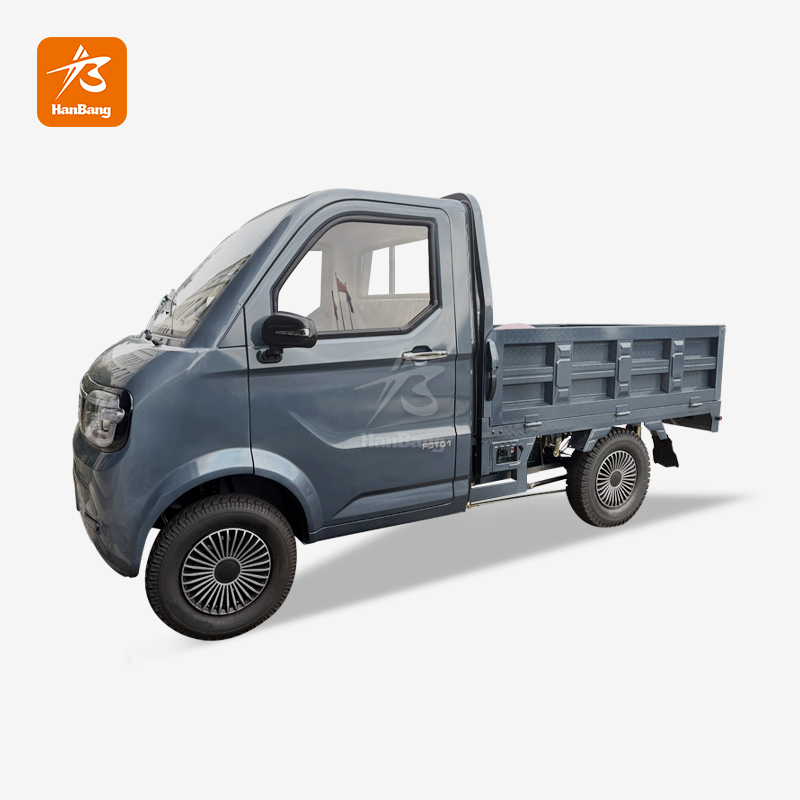
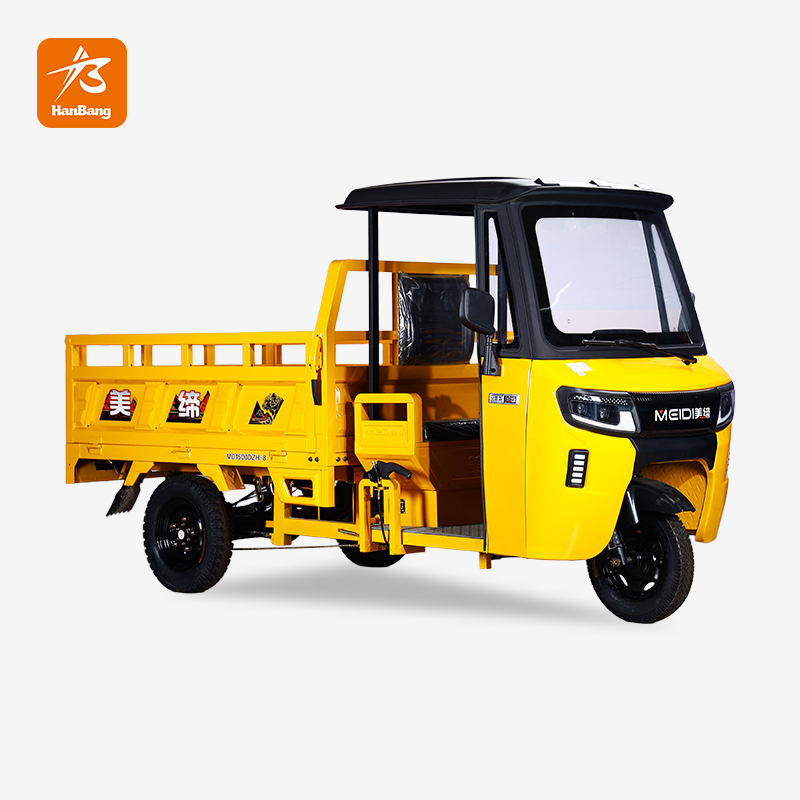
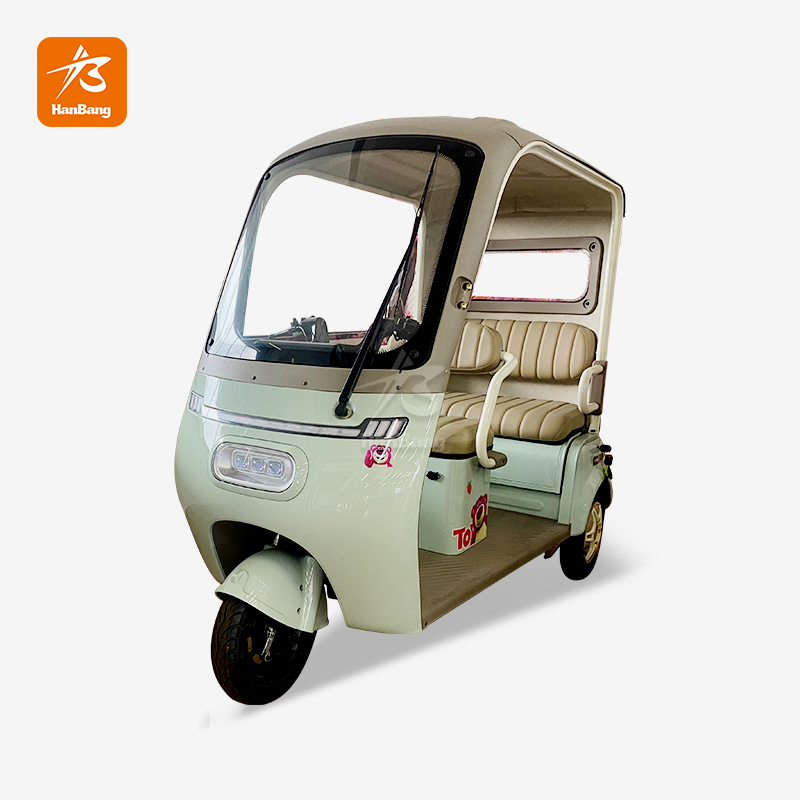
When selecting the best electric three wheeler cargo motorcycle for your business, a strategy approach that balances operational needs, financial considerations, and long-term sustainability goals is required. It is safe to use Hanbang electric cargo motorcycles in many areas, from last-mile delivery services to agricultural logistics, thanks to their advanced battery technology and high building standards. When you know exactly what kind of transportation you need, look at key performance indicators, and match the vehicle's specs to its daily operational needs, you can buy something that increases efficiency while lowering the total cost of ownership. This full guide shows you the most important things that business owners and people who work in sourcing need to think about when they buy electric luggage tricycles.

Understanding Your Business Needs and Decision ScenariosIdentifying Core Usage Scenarios
Every business has different transportation needs. When delivering food in the country, they have to deal with different issues than when they have to go through crowded city streets. What kind of car you need depends on how you plan to use it. In cities, shipping companies need small sizes and a short turning radius so they can get through narrow alleys. In rural places, on the other hand, transportation services need suspension systems that last longer and cover more ground. Municipal sanitation teams need cargo areas that are easy to get to in order to pick up trash, but resort owners value services that run quietly and look good for people who use them. The first thing you need to do is decide what your main use will be. This could be short-distance travel, last-mile delivery, or mobile vending.
Evaluating Operational Environments
Conditions of the terrain and the weather have a big effect on how well a car works. In hilly areas, the motor torque needs to be higher, but normal power configurations can work well in flat urban areas. Businesses that operate in places with limited charging infrastructure need to focus on getting longer battery life, while businesses that operate in places with specialized charging facilities can aim for faster turnaround cycles. Weather resistance is just as important in cold climates as it is in high-humidity marine areas. Those who work in cold climates need battery systems that keep working in cold temperatures. Knowing about these external factors helps you avoid making purchases that don't fit right, which can cause problems like premature wear or limited functionality.
Establishing Procurement Metrics
Metrics that can be measured turn vague wants into specific requirements. The most important thing is the load capacity. Figure out how much cargo you usually move, including yearly highs and lows, to find out what the minimum capacity needs to be. Different uses have different speed needs. For example, food delivery services might need to be able to go 35 to 40 km/h, but controlled campus settings can safely go 25 km/h. When figuring out the daily range, you should include the worst-case scenario of having to bring a full load to more than one location. Regulatory compliance is very important. For example, EEC certification allows legal road entry across European markets, and CCC certification makes sure that quality standards are met for operations in China. Setting these measures up early on stops expensive specification gaps during procurement.
Key Specifications and Performance Metrics to Evaluate
Battery Performance and Range Capabilities
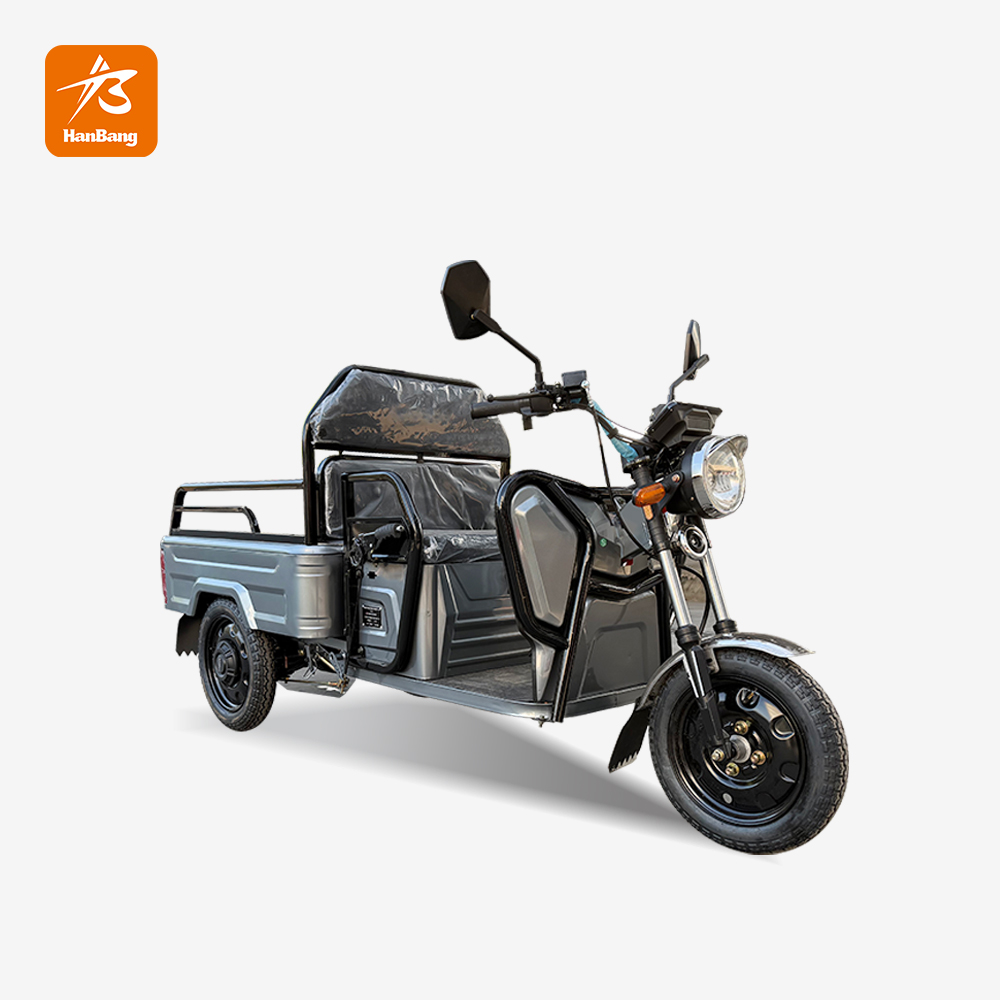
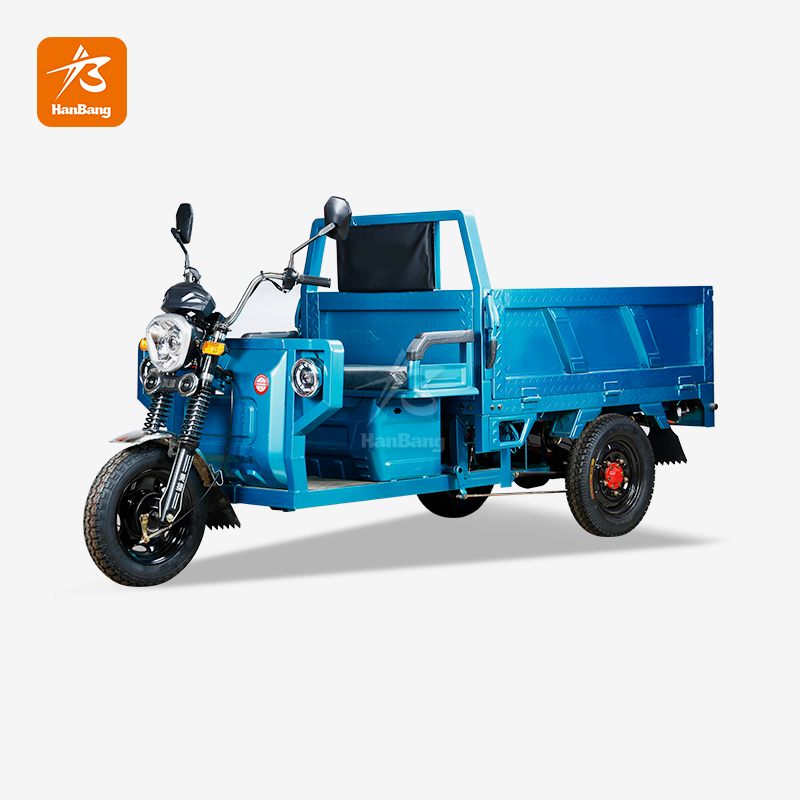
Battery technology is at the heart of how well an electric three wheeler cargo motorcycle works. The Hanbang EEC LETU model has two battery configurations: 72V 32Ah for long-term use and 72V 20Ah for lighter tasks. This gives different business plans more options. In real life, the range is 30–40 km with a mix of loads, which is far enough for most urban transport routes that make 20–30 stops every day. Lead acid battery systems have a higher energy density than standard lead-acid batteries. This means that vehicles with lead acid batteries are lighter and easier to handle. Charging infrastructure compatibility is also important. Standard 220V outlets make charging overnight easy, and businesses can buy fast-charging stations for activities that happen during multiple shifts. By comparing the daily travel needs to the battery capacity, you can make sure that your fleet stays operational without having to stop and charge in the middle of a route.
Motor Power and Load Capacity Analysis
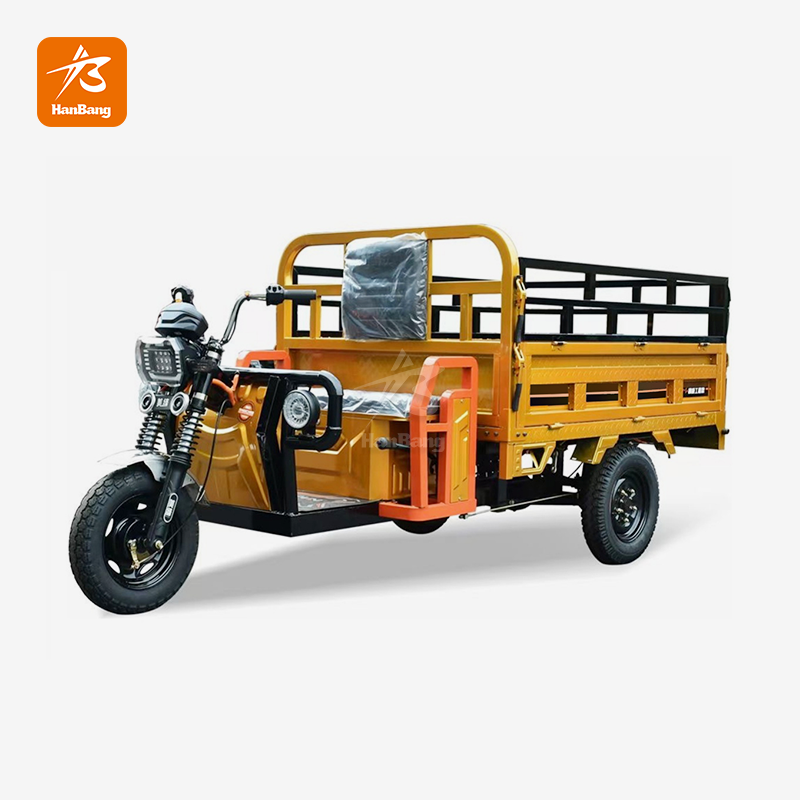
The specs of a motor directly affect how well it works on rough ground and how much it can haul. The 60/72V 1000W motor configuration has enough torque for up to 300 kg of cargo on flat ground and enough power backup for moderate hills. The 18-tube controller system makes acceleration smooth and throttle control quick, which keeps drivers from getting tired during long shifts. The 1.1x0.85m cargo box size can fit normal delivery packages, agricultural crates, and city equipment. Businesses that move heavy loads should check the specs of the rear axle. The integrated gear shift 130 rear axle makes sure that it will last through many stress cycles. When you match the motor power to the usual payload, you avoid having underpowered vehicles struggle on routes or overspecified units waste money on capacity they don't need.
Safety Features and Structural Durability
Professional-grade cars are different from consumer models because they have safety certifications and structural engineering. Hanbang's manufacturing method is ISO 9001-certified, which means that the quality is the same from one production run to the next. The front brakes are disc brakes, which stop quickly, and the rear brakes are drum brakes, which work reliably over time. The 31# hydraulic spring shock absorption system keeps things stable when moving uneven loads over rough surfaces. This keeps the load and the operator from getting too much shaking. The high-strength steel frame can handle the daily stresses of operation while keeping the vehicle's weight to a reasonable 300 kg. Certifications like EEC, CCC, and ISO 9001 show that a business meets foreign safety standards. This helps with insurance and lowers the business owner's risk of being sued.
Financial Considerations and Procurement Options
Total Cost of Ownership Analysis
The initial buying price is only one part of the economics of a vehicle. Electric luggage tricycles don't use any fuel, so delivery services in cities that travel an average of 40 km per day save between $2,000 and $3,000 a year compared to using gasoline-powered vehicles. Maintenance costs go down by about 70% because the engines, transmissions, and exhaust systems are not as complicated. The biggest cost over the life of a battery is still replacing it. Good lead acid systems usually need to be replaced after 1,200 to 1,500 charge cycles, which is about 4 to 6 years of normal use. Green technology discounts can be found for electric car insurance premiums, which lowers the annual operating costs even more. Finding the five-year total cost of ownership shows that electric cargo bikes usually pay for themselves in 18 to 24 months, even though they cost more up front.
Procurement Channels and Volume Discounts
Direct relationships with manufacturers are much cheaper than networks of distributors. Jiangsu Hanbang Vehicle Industry Group has 150,000 square meters of intelligent production space, which lets them offer affordable factory-direct prices without adding any markups for middlemen. Large fleets can get big discounts on bulk orders. Buying 10 or more units usually gets you 8–12% volume pricing, and buying more than 50 units gives you access to customization choices like custom livery and cargo configurations. The 25-working-day production cycle makes sure that delivery times are stable, which is helpful for planning fleet growth. CKD (Completely Knocked Down) and SKD (Semi-Knocked Down) shipping choices are good for international buyers because they lower import duties and freight costs while allowing local assembly operations that create jobs and make it easier to get parts.
Warranty Coverage and After-Sales Support
Getting a comprehensive guarantee lowers the risk of buying something. Hanbang offers a comprehensive warranty that covers motor systems, battery parts, and structural elements. During the warranty period, technical help is also available. Every vehicle comes with installation manuals and instructional videos that show how to do regular maintenance tasks. This way, you don't have to rely on specialized technicians as much. Essential wear parts that come with the buy reduce problems that happen at the start of operations. Setting clear warranty terms before buying, such as the length of coverage, how to repair parts, and how long it will take for service to arrive, protects your investment and keeps your business running. Businesses in remote areas should check to see if parts are available and when they will be shipped so that they don't have to deal with extended downtime during repair cycles.
Operational Efficiency and Maintenance Best Practices
Battery Life Optimization Strategies
Sticking to charging routines and normal use habits for an electric three wheeler cargo motorcycle will help your battery last as long as possible. By keeping charge levels above 20% and avoiding full discharge cycles, you can make batteries last a lot longer by putting less stress on the cell chemistry. Managing temperatures is also important. Keeping cars in climate-controlled spaces when you can stops them from breaking down faster in high heat or cold. Regular charging plans keep cell balance at its best even when the cells aren't being used as much. Operators should keep track of charging cycles and performance signs like range loss, which means the battery needs to be replaced soon. If you follow these tips, your batteries will last 30 to 40 percent longer than if you don't take care of them, which will save you a lot of money over the life of your fleet.
Preventive Maintenance Schedules
Systematic maintenance keeps small problems from getting worse and causing the system to stop working. Once a month, the brakes, tire pressure, and electrical connections should all be checked to make sure they work properly. Every three months, the moving parts need to be oiled, the suspension system is checked, and the structure of the storage bed is looked at. Comprehensive inspections done once a year by trained technicians find problems before they break down. Keeping detailed service records helps with warranty claims and gives information for figuring out when to repair parts. Businesses with large fleets can benefit from setting up preventive maintenance programs that plan servicing during normal breaks in operations. This way, businesses can keep downtime to a minimum and make sure that vehicles are available during times of high demand.
Real-World Performance Data
Case studies in the real world show how effective operations can be in a wide range of fields. Southeast Asian urban food delivery services say their cars can travel an average of 35 to 38 km per day, making 25 to 30 deliveries of 200 to 250 kg, and their performance stays the same after 18 months of nonstop use. Agricultural cooperatives in African markets use electric cargo tricycles to get their goods to and from the markets. They like that they are more reliable on unpaved rural roads and cost 70% less than fuel-powered options. European city sanitation offices like how quiet the operation is, so they can pick up trash early in the morning without bothering residents. Zero-emission certification also lets them get into restricted urban areas. These real-world uses back up what the specifications say and show that the technology can be used in a wide range of operational situations.
Making the Final Decision: Matching Solutions to Business Needs
Model Selection by Business Profile
Different businesses need vehicles that are set up in specific ways. Last-mile delivery services like the EEC LETU's small size (a footprint of 2485 x 875 x 1540 mm) and moderate speed (up to 25 km/h), which are good for controlled urban settings. Strong suspension systems that can handle rough terrain and long cargo boxes that can hold a lot of food are helpful for farmers. Municipal services value building that is long-lasting and doesn't need a lot of upkeep every day. Tourism sites like designs that are both aesthetically pleasing and quiet so that guests can enjoy their stay. With Hanbang's OEM and ODM customization options, you can change things like motor power upgrades, extended cargo configurations, specialized mounting systems, and branded visual treatments to make sure that the vehicles exactly meet your needs.
Customization Options for Specialized Applications
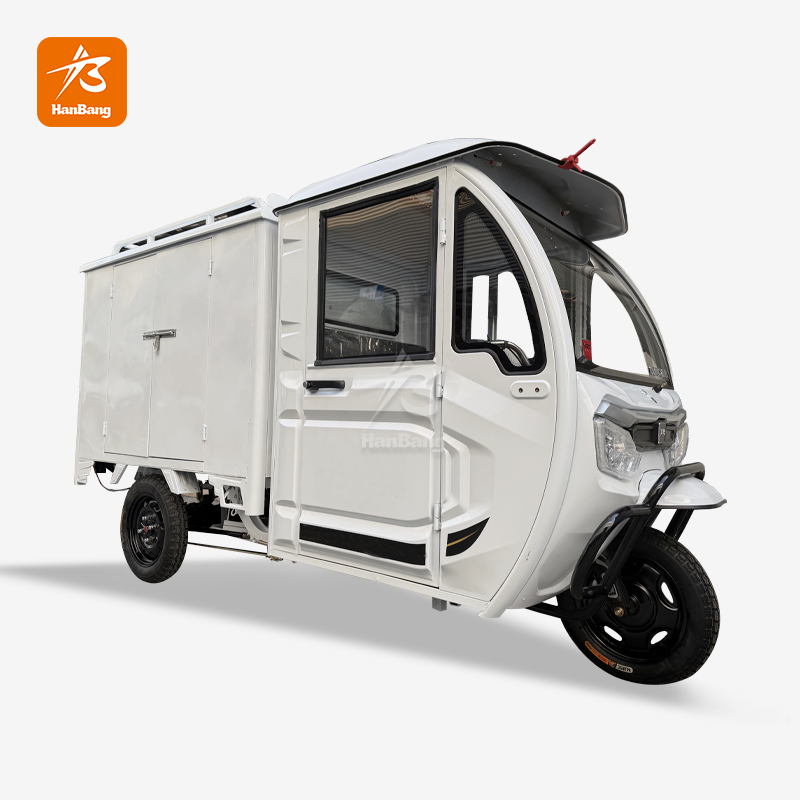
While standard models work well for most uses, tailoring makes them useful for specific tasks. Refrigerated cargo boxes make cold-chain operations possible for delivering medicines and fresh food. When working on rough ground in areas where infrastructure is still being built, enhanced suspension packages are a good choice. Long-range battery configurations work on rural roads where charging stations are hard to reach. Custom branding turns cars into mobile marketing tools that help reinforce a company's image. Hanbang's design team works directly with procurement specialists to come up with custom solutions. For example, they might change the size of the cargo box to fit special equipment, add mounting systems for tools used in specific industries, or change the electrical systems to power extra equipment. Electric cargo tricycles can be changed to fit your needs, which makes them useful business tools instead of just an item.
Certification and Market Access Requirements
Compliance with regulations affects the viability of a market. EEC certification makes it legal to drive on roads in all member states of the European Union. This gives companies that want to do business in Europe or sell their goods in Europe a lot of new market possibilities. CCC approval meets Chinese quality standards and shows that the manufacturing process is following the rules. These certifications make it easier to get insurance, get a business license, and get operating permits. Without them, these processes would be more difficult to manage. Before buying something, international buyers should check to see what certifications are needed in the target markets. Some places need extra testing or paperwork, which can make shipping times longer. Hanbang has a lot of certifications, like nearly 200 intellectual property patents and provincial-level high-tech product certifications. These show that they are committed to following the rules and maintaining quality standards that protect buyers' interests.
Conclusion
The right electric three wheeler cargo motorcycle must be chosen after careful consideration of the motorcycle's operational requirements, performance requirements, and cost. To make a choice, you must first clearly define your business applications, figure out how much you need for daily operations, and set procurement metrics that are in line with your strategic goals. Hanbang electric cargo motorcycle solutions have been tested and proven to work in a wide range of businesses. They are backed by advanced manufacturing skills, thorough certifications, and helpful customer service. As an example of a good balance between practical functionality and economic value, the EEC LETU model has enough power and range for urban logistics while still being affordable and easy to keep. A good procurement process matches the vehicle's capabilities to the needs of the business, looks at the total cost of ownership instead of just the purchase price, and builds relationships with manufacturers that can meet long-term operational needs by providing parts and technical support.
FAQ
What is the typical range per battery charge under real-world conditions?
The Hanbang EEC LETU model achieves 30-40 km range depending on payload weight, terrain conditions, and driving patterns. Urban delivery operations with frequent stops and moderate speeds typically realize 32-35 km with 200-250 kg cargo loads. Rural routes across flat terrain with fewer stops can extend toward 40 km, while hilly terrain with maximum payload reduces range toward the 30 km threshold. Temperature extremes impact battery performance—cold weather can reduce range by 15-20%, while optimal temperatures of 15-25°C deliver maximum efficiency.
How long does charging require for a complete battery cycle?
Standard charging using 220V household outlets requires approximately 6-8 hours for complete battery replenishment from 20% remaining charge to full capacity. This timing suits overnight charging schedules for single-shift operations. Businesses running multiple shifts can invest in fast-charging infrastructure that reduces charging time to 3-4 hours, enabling mid-shift battery swaps or rapid turnaround between operational periods.
What warranty coverage and maintenance support does Hanbang provide?
Hanbang offers comprehensive warranty terms covering major components including motor systems, controllers, and structural elements. Technical support includes detailed installation manuals, maintenance instructional videos, and responsive customer service addressing operational questions. Essential wear parts ship with each vehicle to minimize initial operational disruptions. Specific warranty durations and terms vary by market region and should be confirmed during procurement negotiations to ensure alignment with your operational requirements and risk management standards.
Partner with a Leading Electric Cargo Motorcycle Manufacturer
Jiangsu Hanbang Vehicle Industry Group stands ready to support your electric cargo motorcycle procurement with factory-direct pricing, customization capabilities, and proven manufacturing excellence spanning over a decade. Our 150,000-square-meter intelligent production base equipped with advanced laser cutting, robotic welding, and automated assembly lines ensures consistent quality across 300,000 annual unit capacity. Businesses seeking Hanbang electric cargo motorcycle supplier relationships benefit from volume discounts, flexible financing arrangements, and personalized consultation services addressing your specific logistics requirements. Our products serve nearly 50 countries across global markets, establishing Hanbang as a competitive force in sustainable transportation solutions. Contact our procurement team at nicole@xzmeidi.com to discuss your fleet requirements, explore customization options, and receive detailed quotations tailored to your operational context. Visit hanbangev.com to review our complete product portfolio and discover how electric cargo tricycles deliver strategic advantages for modern business operations committed to sustainability and operational efficiency.
References
1. Chen, L., & Wang, X. (2023). "Electric Cargo Tricycles in Urban Logistics: Performance Analysis and Economic Viability." Journal of Sustainable Transportation Studies, 45(3), 178-194.
2. International Energy Agency. (2024). "Global EV Outlook 2024: Light Commercial Electric Vehicles." IEA Publications, Paris.
3. Rodriguez, M., & Thompson, K. (2023). "Battery Technology Advancements in Light Electric Vehicles: A Comparative Study." Electric Vehicle Engineering Quarterly, 12(2), 89-107.
4. European Commission Directorate-General for Mobility and Transport. (2023). "EEC Type-Approval Requirements for L-Category Vehicles: Technical Standards and Compliance." Official Publications Office, Brussels.
5. Zhang, H., Kumar, S., & Osei, P. (2024). "Total Cost of Ownership Analysis: Electric vs. Internal Combustion Cargo Tricycles in Emerging Markets." International Journal of Fleet Management Economics, 31(1), 56-73.
6. World Bank Group. (2023). "Last-Mile Logistics Solutions for Developing Economies: Electric Cargo Vehicles as Sustainable Alternatives." World Bank Technical Report Series, Washington DC.