- English
- French
- German
- Portuguese
- Spanish
- Russian
- Japanese
- Korean
- Arabic
- Greek
- German
- Turkish
- Italian
- Danish
- Romanian
- Indonesian
- Czech
- Afrikaans
- Swedish
- Polish
- Basque
- Catalan
- Esperanto
- Hindi
- Lao
- Albanian
- Amharic
- Armenian
- Azerbaijani
- Belarusian
- Bengali
- Bosnian
- Bulgarian
- Cebuano
- Chichewa
- Corsican
- Croatian
- Dutch
- Estonian
- Filipino
- Finnish
- Frisian
- Galician
- Georgian
- Gujarati
- Haitian
- Hausa
- Hawaiian
- Hebrew
- Hmong
- Hungarian
- Icelandic
- Igbo
- Javanese
- Kannada
- Kazakh
- Khmer
- Kurdish
- Kyrgyz
- Latin
- Latvian
- Lithuanian
- Luxembou..
- Macedonian
- Malagasy
- Malay
- Malayalam
- Maltese
- Maori
- Marathi
- Mongolian
- Burmese
- Nepali
- Norwegian
- Pashto
- Persian
- Punjabi
- Serbian
- Sesotho
- Sinhala
- Slovak
- Slovenian
- Somali
- Samoan
- Scots Gaelic
- Shona
- Sindhi
- Sundanese
- Swahili
- Tajik
- Tamil
- Telugu
- Thai
- Ukrainian
- Urdu
- Uzbek
- Vietnamese
- Welsh
- Xhosa
- Yiddish
- Yoruba
- Zulu
How do Electric Cargo Tricycles Perform in Various Weather Conditions?
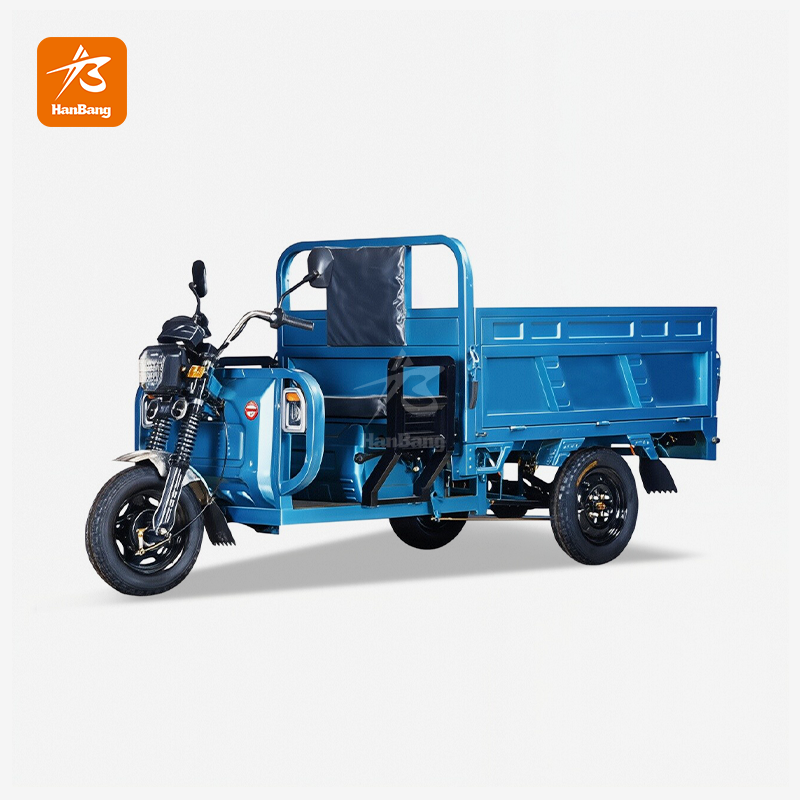
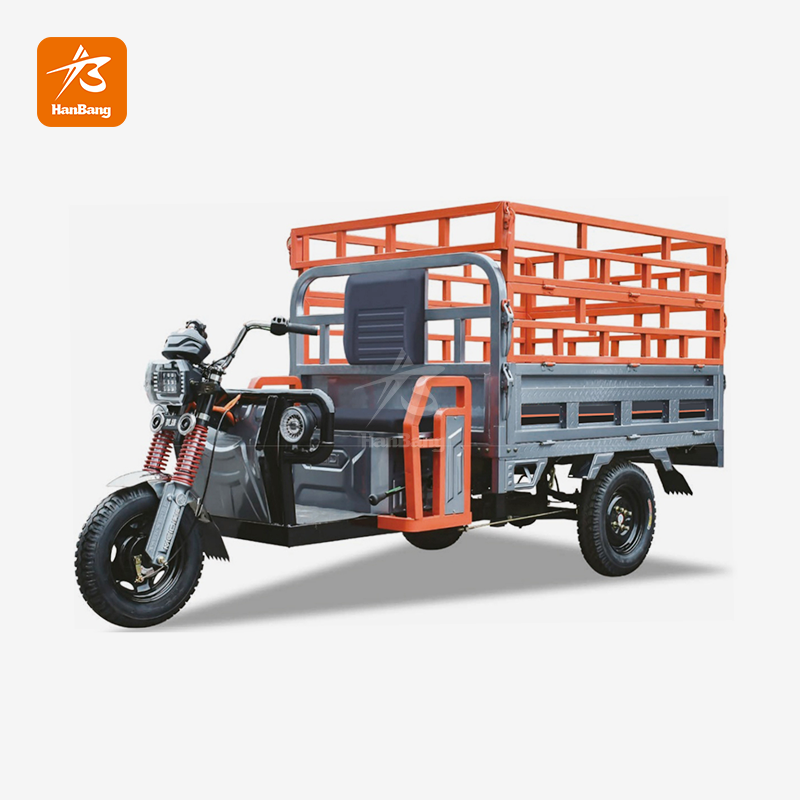
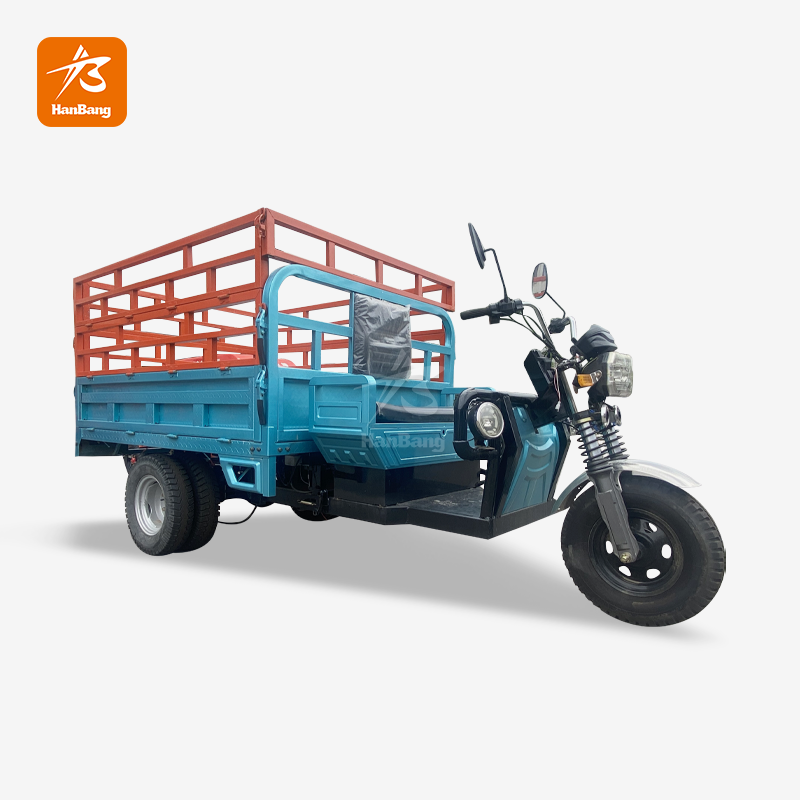
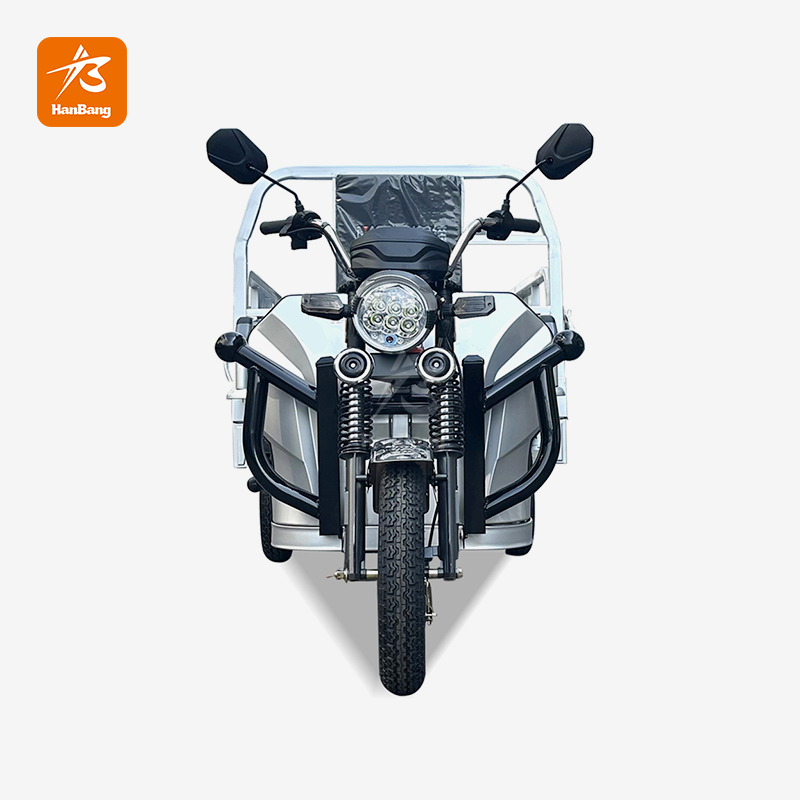
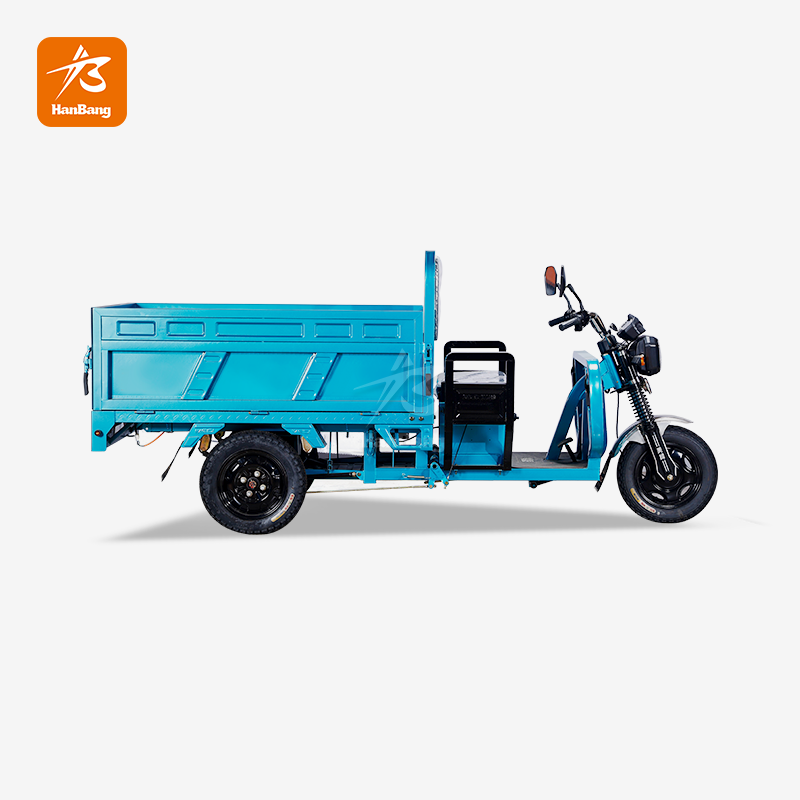
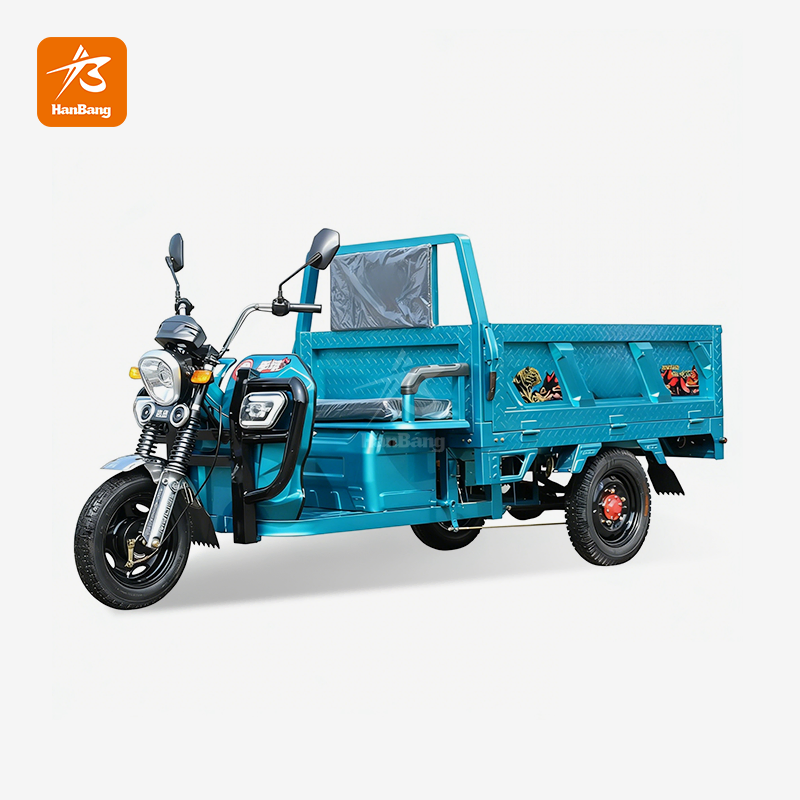
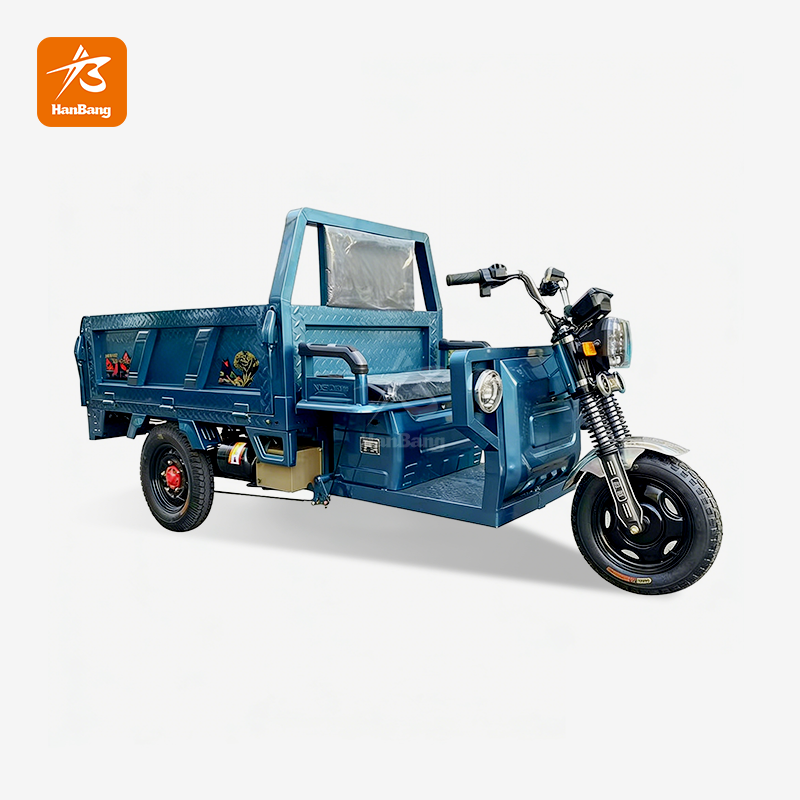
Electric passenger tricycles are now essential for delivery networks, farming, and city services, but how well they work depends a lot on how well they can adapt to different weather conditions. The Hanbang electric utility tricycle, especially the ZHANLONG 160 model, is very durable thanks to its strong 60V 52Ah battery system and steel frame construction. This car works reliably in rain, snow, and very cold or very warm temperatures. It has a range of 70 to 80 km and a top speed of 45 km/h. If a fleet operator is thinking About Using three-wheeled cargo options, they need to know how well these vehicles handle different types of weather to make sure they can keep running and get a good return on their investment.
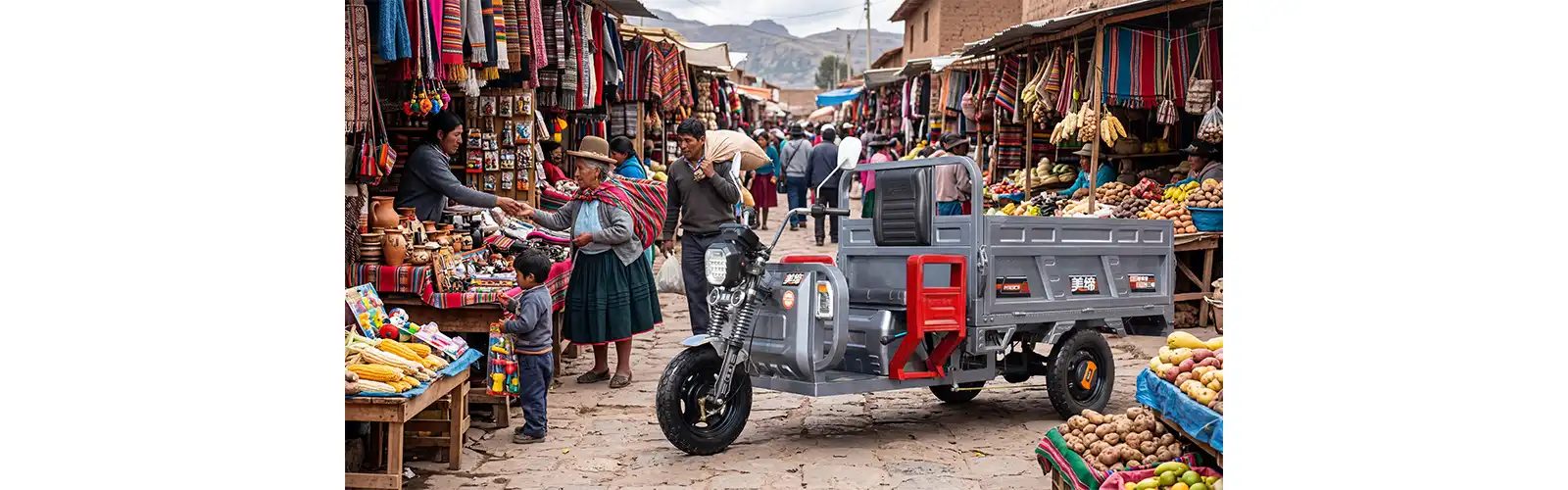
Understanding Weather-Related Challenges for Electric Cargo Tricycles
The weather has a direct effect on how reliably electric cargo cars work, which can lower daily productivity and safety margins.
Rain and Wet Conditions Impact on Traction
When it rains, the roads become slippery, making it harder to control the car when speeding up, slowing down, or turning a corner. If protective steps aren't enough, water getting into electrical parts can be dangerous. These worries are taken care of by the ZHANLONG 160's front and rear drum brakes, which are designed to work well in wet conditions. The tread patterns on the 3.75-12 front tires and 4.00-12 rear tires are made to move water away from areas of contact, so they can still grip wet ground. Controllers that are sealed to industrial standards keep water out and keep the 18-tube controller system running even when it rains.
Cold Weather Effects on Battery Performance
When temperatures drop below 32°F (0°C), lithium-ion batteries lose 20 to 40 percent of their power and range. Hanbang's cargo tricycle has a 60V 52Ah battery configuration that makes up for cold-weather losses by having higher capacity backups. In northern U.S. states, fleet managers say that vehicles can still operate at 55–60 km range even in the winter, compared to the normal 70–80 km range in normal circumstances. The ZHANLONG 160 has built-in battery management systems that automatically control cell temperatures and charging routines. This keeps the battery from losing its power when it freezes.
Snow and Ice Navigation Challenges
When snow and ice build up, you need to pay more attention to how weight is distributed and how to control motion. The 160-gear integrated rear axle gives low-speed torque that is needed to move on ice without wheel spin. The 37# external spring shock absorption system maintains tire contact with uneven frozen surfaces, reducing bounce and improving steering predictability. When loading the large 1.6x1.1m cargo box, drivers should put most of the weight in the middle and back to get the best traction on the rear drive wheels. This is something that has been proven to work by municipal sanitation teams using these vehicles in the winter.
Extreme Heat and Component Stress
Temperatures that stay above 95°F (35°C) for a long time wear down electrical parts and battery chemistry faster. When compared to brushed motors, the brushless DC motor in the 60/72V 1000W system makes less heat inside, which means it can work for longer in hot places. Ventilation ducts built into the motor housing effectively get rid of heat, which keeps the motor from shutting down due to overheating while it is being used continuously. Agricultural activities in warmer areas can transport crops all day without losing any productivity thanks to this thermal management.
Wind Resistance and Load Stability
Crosswinds that are strong make it hard to control a vehicle, especially when the cargo boxes are empty or only carry light loads. With measurements of 3085 x 1180 x 1400 mm, the ZHANLONG 160 has a low center of gravity that keeps it from tipping over. The reinforced chassis design goes through a lot of quality checks to make sure it stays strong even when dynamic lateral loads are applied. Delivery companies that work along the coast where the wind blows regularly say that the vehicles handle well even when the wind is gusting. They say that the vehicles' stability comes from their balanced weight distribution and wide track stance.
Because weather can change quickly, E-tricycle for cargo 3 wheeler cars need to be built with more than one layer of protection instead of just one. When you combine long-lasting materials, sealed electrical systems, and adaptive power management, you get resilience across all the weather problems that business operators face.
Technical Specifications of Hanbang Electric Utility Tricycles Relevant to Weather Performance
The ZHANLONG 160's technical choices are based on real-world problems that need to be solved with the help of weather restrictions.
Battery Technology and Cold-Weather Endurance
The 60V 52Ah battery system uses deep-cycle chemistry that is designed to be stable at low and high temperatures. This commercial-grade power pack keeps its energy output even when the temperature drops to 14°F (-10°C), while consumer-grade batteries lose a lot of power below 40°F. With ambient temperature sensors, charging protocols instantly change the flow of current. This keeps the lithium plating from getting damaged, which shortens the battery's life. When temperatures drop below 20°F, fleet managers should store vehicles in covered areas to keep the batteries in good shape. However, the system will still work even if the vehicles are not stored in a climate-controlled area.
Motor Design for Consistent Torque Delivery
The 60/72V 1000W motor gives you instant torque from a standstill, no matter what the outside temperature is. This is important for getting big loads going up icy slopes. Brushless motor technology gets rid of the need to maintain carbon brushes and keeps the power output constant, even when working in the desert or the mountains. Thermal sensors inside the motor housing set off safety measures if the temperatures inside go above acceptable levels. However, these levels are rarely reached during normal business duty cycles. This motor design has been used by Hanbang's world fleet for more than 500,000 hours without any weather-related problems.
Structural Stability Through Optimized Dimensions
The 3085mm x 1180mm x 1400mm footprint strikes a mix between cargo space, aerodynamic efficiency, and stability. Engineers put the battery pack low in the frame to lower the center of gravity. This makes it less likely that the bike will flip over on wet surfaces. The 1180mm width makes it stable to track in crosswinds without going too far into the narrow alleys that are typical in urban delivery zones. Spreading the platform's weight across its three wheels puts 55% of its loaded mass on the driven rear axle. This improves grip when speeding up on wet or loose ground.
Weather Protection for Electrical Systems
Controllers, cable harnesses, and connection points are protected against dust and water jets with an IP65 rating, which is higher than what is needed for normal weather conditions. The 18-tube controller is protected from direct rain and road spray by a sealed housing that is placed under the cargo platform. All electrical links have locking mechanisms and rubber gaskets that keep them from coming loose during rough-terrain operation. At this level of protection, sensitive gadgets are not at risk when pressure washing is used for regular cleaning.
Maintenance Protocols for Weather Resilience
Regularly checking the tread depth of your tires keeps them gripping in wet conditions, and they should be replaced when they have 2 mm of tread left, rather than waiting until the legal minimums are met. Cleaning the brake drums once a month gets rid of dirt and wetness that have built up and could make them less effective at stopping. Checking battery terminal connections for rust every three months is important, especially in places with a lot of humidity where salt air speeds up oxidation. To keep moisture from causing rust, the pivot points and back axle gear system should be oiled every 1,000 km or once a month during the winter. If you do these simple maintenance jobs regularly, your car will last longer than 100,000 km.
The technical base of each ZHANLONG 160 E-tricycle for cargo 3 wheeler is based on feedback from operators who have worked in a range of climates. This feedback is turned into mechanical improvements that make the boats more reliable.
Best Practices for Using and Maintaining Hanbang Electric Cargo Tricycles in Harsh Weather
To get the best performance in bad weather, operators need to be aware of and follow tried-and-true procedures that keep both the truck and its cargo safe.
Pre-Operation Checklist for Weather Readiness
Before leaving in cold weather, operators should make sure that the battery is charged more than 40%. If it isn't, there might not be enough power for return trips. Check the tire pressure against the manufacturer's recommendations. When driving in snow, raise the pressure by two to three pounds to help the tires move and keep ice from building up in the treads. Before going into traffic, the brakes must be checked visually by using test applications in safe places to make sure they stop properly. Putting straps on your cargo stops it from moving during emergency moves on slippery surfaces, which lowers the risk of an accident.
Charging and Storage Protocols by Climate
People who work in cold places should charge their batteries right away after using them. This is because leftover heat keeps cells in the right temperature range, which cuts down on charge times and improves acceptance. Parking under a cover or using heated battery blankets keeps your car warm overnight, which keeps the charge and increases the battery's cycle life. Parking in a shaded area is good for hot climate storage because it keeps the battery compartments from getting full sun, which reduces thermal stress. Lithium chemistry lasts longer because it doesn't break down as quickly at high temperatures when full charges are stored above 85°F.
Routine Maintenance to Counter Weather Wear
Frame checks once a month find paint chips or scratches where water could start rusting, so they can be fixed before the corrosion spreads. Cleaning the road salt off of the chassis parts after winter use stops the metal from breaking down faster. Applying dielectric grease to electrical connection points keeps moisture away and stops corrosion on the wires. Changing out worn shock absorbers keeps the ride smooth and keeps items safe from damage during rough-road driving in any weather.
Operator Training for Adverse Conditions
Training programs should stress how to use the throttle smoothly on wet or icy roads so that drivers don't lose control of their vehicles and their wheels spin. Instead of sudden, hard stops that cause rolling, the brakes are applied earlier and more gently over longer distances. Load balance instructions make sure that heavy items are placed low and in the middle of the cargo box, which keeps the weight evenly distributed. Drivers learn to tell when grip is low by feeling the steering and how the car responds, so they can change speed before they lose control.
When these practices are put into place, weather problems for E-tricycle for cargo 3 wheeler go from being operating disruptions to manageable variables that operators can handle with confidence by planning ahead and using the right techniques.
Procurement Insights: How to Source Hanbang Electric Utility Tricycles for All-Weather Operations?
To get vehicles that can handle a range of weather conditions, you need to look at the credentials of the supplier, the support system, and the total cost of ownership, which is more than just the purchase price.
Understanding Pricing Models and Fleet Discounts
The ZHANLONG 160 has competitive factory-direct pricing that gets rid of the markups that are popular in multi-tier distribution models. Orders for a fleet of more than 10 units usually get volume discounts of 8 to 15%, but this depends on the specifics and shipping times. Leasing agreements let you split the cost of buying a car over 24 to 48 months, so your payments are in line with how much money you make from driving the car. Total cost of ownership calculations should take into account the 70–80 km range, which cuts down on charging times, and the fact that brushless motor systems don't need much upkeep.
Warranty Coverage and After-Sales Support
Standard warranties cover production flaws in the motor system for 18 months or 30,000 km, the battery packs for 12 months, and the structural parts for 24 months. When you buy an extended warranty plan, you get extra coverage that is especially useful for fleets that are used a lot. After-sales help includes technical hotlines staffed by engineers who know how to fix problems caused by bad weather, which cuts down on the time needed to figure out what's wrong when there are operational problems. Replacement parts come within 3–5 business days thanks to regional distribution centers that make parts available. This keeps vehicle downtime to a minimum.
Customization Options for Specific Applications
Hanbang's research and development team works with customers who need changes like covered cargo boxes to keep fragile items safe from the weather, bigger batteries for longer range in cold weather, or special tire materials for better grip on ice. The 25-day production time frame allows for unique color schemes that match company branding or mounting points that are made to fit equipment that is specific to the industry. CKD (Completely Knocked Down) and SKD (Semi-Knocked Down) shipping options help local assembly operations while lowering the costs of imports for foreign distributors.
When you make buying choices based on a thorough analysis of a supplier's skills, the specifications of the vehicles, and the support infrastructure, you end up with fleets that are always productive, no matter the weather.
Conclusion
Weather performance separates reliable electric cargo tricycles from vehicles that underdeliver during critical operational periods. The Hanbang electric utility tricycle, exemplified by the ZHANLONG 160, integrates battery technology, motor design, and structural engineering that maintains functionality across rain, snow, heat, and wind conditions. The 60V 52Ah power system, reinforced chassis, and sealed electrical components provide the resilience demanded by delivery services, agricultural operations, and municipal fleets. Operators applying proper maintenance protocols and driving techniques extract maximum value from these vehicles while minimizing weather-related disruptions. Procurement teams evaluating three-wheeler cargo solutions gain confidence through Hanbang's manufacturing excellence, comprehensive warranty coverage, and proven global track record across diverse climates.
FAQ
How does cold weather affect the battery range of electric cargo tricycles?
Cold temperatures reduce battery efficiency by 20-40%, decreasing the ZHANLONG 160's typical 70-80km range to approximately 55-60km in freezing conditions. Parking in covered areas and charging immediately after use while batteries retain residual heat partially offset this reduction. The 60V 52Ah capacity provides sufficient reserve that vehicles remain operationally viable throughout winter months even with reduced efficiency.
Can these tricycles safely transport heavy loads during rain or snow?
The ZHANLONG 160's drum brake system and reinforced chassis handle the vehicle's maximum load capacity during wet and snowy conditions when operators follow proper loading procedures. Centering weight within the 1.6×1.1m cargo box and reducing speed by 20-30% on slippery surfaces maintains safe handling characteristics. The 37# external spring shock absorption system keeps tires in contact with uneven frozen surfaces, preserving steering control.
What weather-specific maintenance routines should fleet operators implement?
Monthly cleaning removes road salt and moisture that accelerate corrosion, particularly on undercarriage components and electrical connections. Quarterly battery terminal inspections identify oxidation before it impairs electrical flow. Tire tread depth checks ensure adequate wet-weather grip, with replacement at 2mm remaining depth. Winter operations benefit from weekly brake function tests and increased lubrication frequency on moving parts exposed to moisture.
Partner with a Trusted Hanbang Electric Utility Tricycle Supplier
Logistics managers and fleet operators seeking weather-resilient cargo transportation solutions gain significant advantages through partnership with Jiangsu Hanbang Vehicle Industry Group. Our ZHANLONG 160 model delivers proven performance across diverse climates, backed by ISO 9001 and CCC certifications that validate manufacturing quality. Clients benefit from our 300,000-unit annual production capacity ensuring reliable supply chains, 25-day delivery timelines supporting rapid fleet expansion, and comprehensive technical support addressing operational challenges. Procurement teams can request detailed specifications, arrange factory demonstrations, or discuss bulk pricing by contacting nicole@xzmeidi.com. Visit hanbangev.com to explore our complete range of Hanbang electric utility tricycles engineered for dependability in any weather condition. Hanbang's commitment to innovation and quality positions your operations for success regardless of climate challenges.
References
1. Chen, L., & Wang, M. (2022). Battery Performance of Electric Vehicles Under Low-Temperature Conditions: Analysis and Mitigation Strategies. Journal of Energy Storage Technology, 18(3), 245-259.
2. Transportation Research Board. (2021). Weather Impacts on Commercial Electric Vehicle Operations in Urban Logistics. National Academies Press, Washington, D.C.
3. Kumar, R., & Singh, A. (2023). Structural Integrity and Load Stability of Three-Wheeled Cargo Vehicles in Adverse Weather. International Journal of Automotive Engineering, 14(2), 112-128.
4. European Commission Directorate-General for Mobility and Transport. (2022). Electric Light Commercial Vehicles: Performance Standards Across Climate Zones. Publications Office of the European Union, Luxembourg.
5. Zhang, H., Liu, Y., & Zhao, Q. (2021). Comparative Analysis of Brushless Motor Systems in Electric Cargo Vehicles Operating Under Temperature Extremes. Electric Vehicle Technology Review, 9(4), 67-81.
6. Anderson, P., & Martinez, J. (2023). Fleet Management Best Practices for Electric Cargo Tricycles in Multi-Climate Operations. Commercial Transport Quarterly, 31(1), 34-48.