- English
- French
- German
- Portuguese
- Spanish
- Russian
- Japanese
- Korean
- Arabic
- Greek
- German
- Turkish
- Italian
- Danish
- Romanian
- Indonesian
- Czech
- Afrikaans
- Swedish
- Polish
- Basque
- Catalan
- Esperanto
- Hindi
- Lao
- Albanian
- Amharic
- Armenian
- Azerbaijani
- Belarusian
- Bengali
- Bosnian
- Bulgarian
- Cebuano
- Chichewa
- Corsican
- Croatian
- Dutch
- Estonian
- Filipino
- Finnish
- Frisian
- Galician
- Georgian
- Gujarati
- Haitian
- Hausa
- Hawaiian
- Hebrew
- Hmong
- Hungarian
- Icelandic
- Igbo
- Javanese
- Kannada
- Kazakh
- Khmer
- Kurdish
- Kyrgyz
- Latin
- Latvian
- Lithuanian
- Luxembou..
- Macedonian
- Malagasy
- Malay
- Malayalam
- Maltese
- Maori
- Marathi
- Mongolian
- Burmese
- Nepali
- Norwegian
- Pashto
- Persian
- Punjabi
- Serbian
- Sesotho
- Sinhala
- Slovak
- Slovenian
- Somali
- Samoan
- Scots Gaelic
- Shona
- Sindhi
- Sundanese
- Swahili
- Tajik
- Tamil
- Telugu
- Thai
- Ukrainian
- Urdu
- Uzbek
- Vietnamese
- Welsh
- Xhosa
- Yiddish
- Yoruba
- Zulu
Electric Cargo Tricycle Trucks: Revolutionizing Urban Delivery
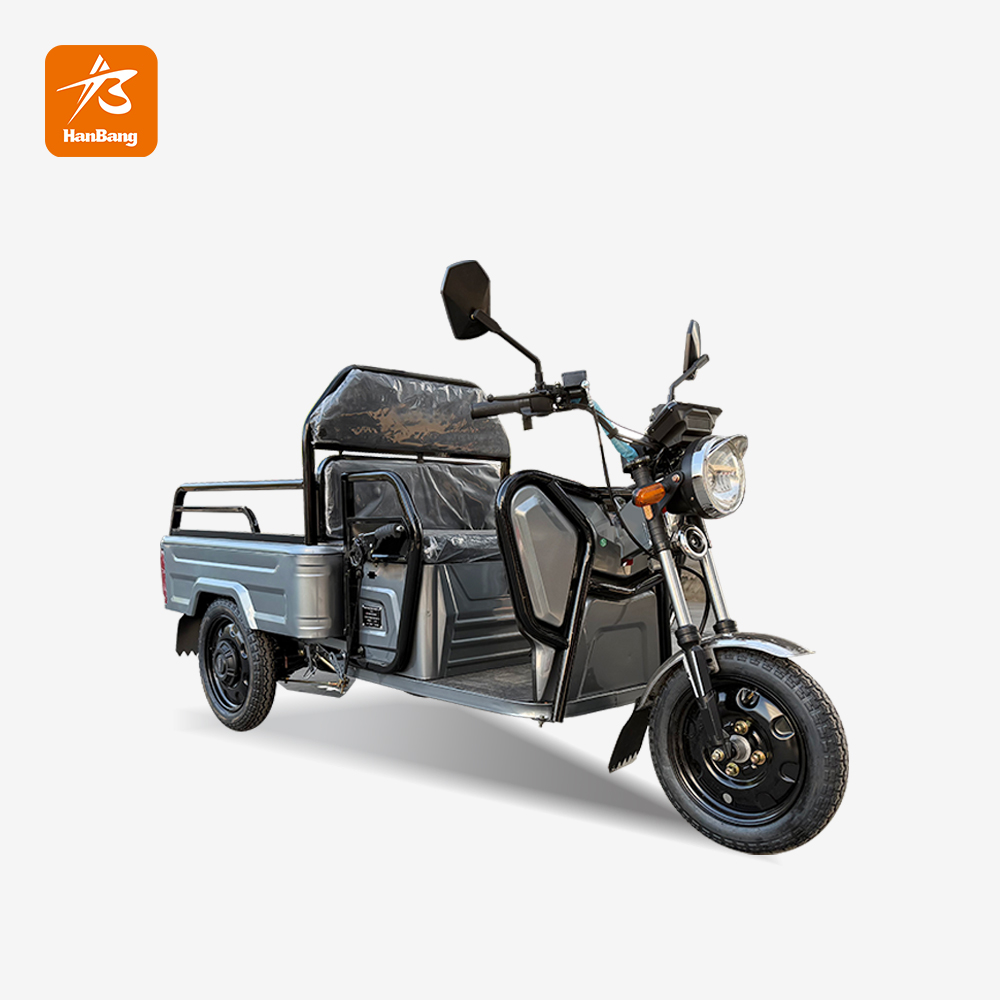
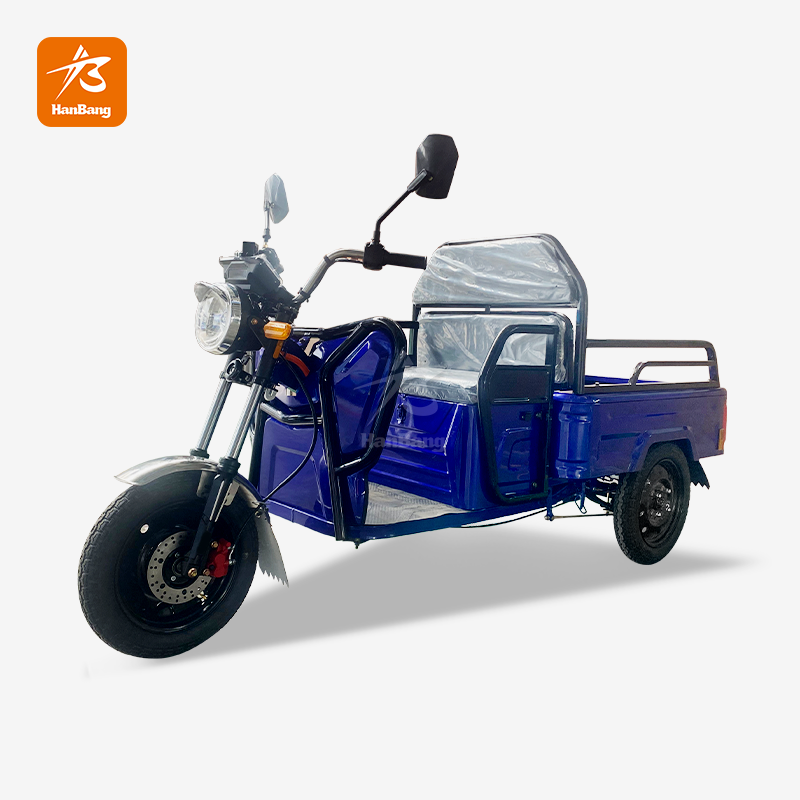
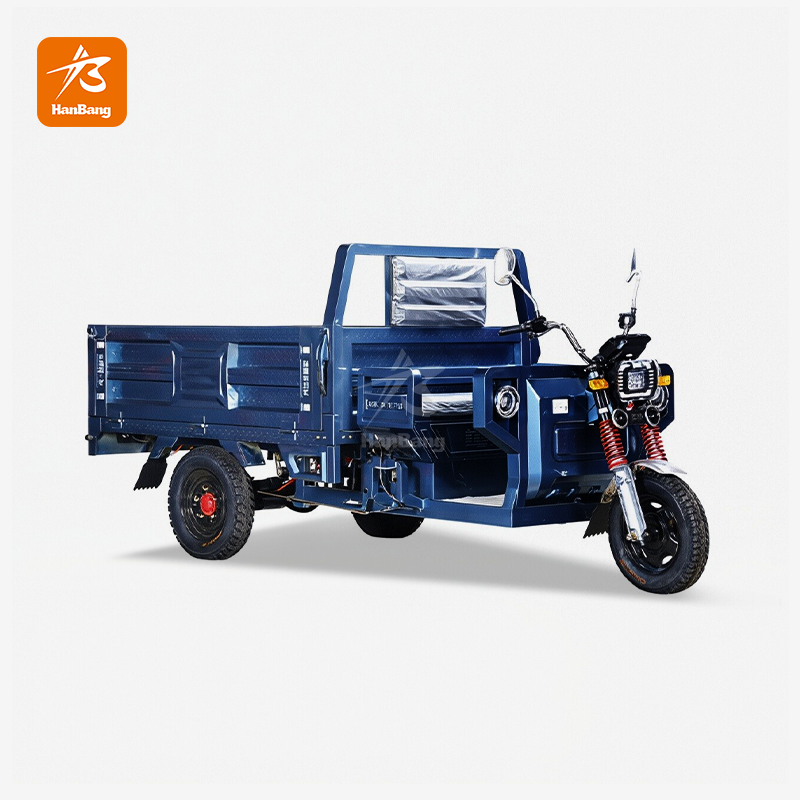
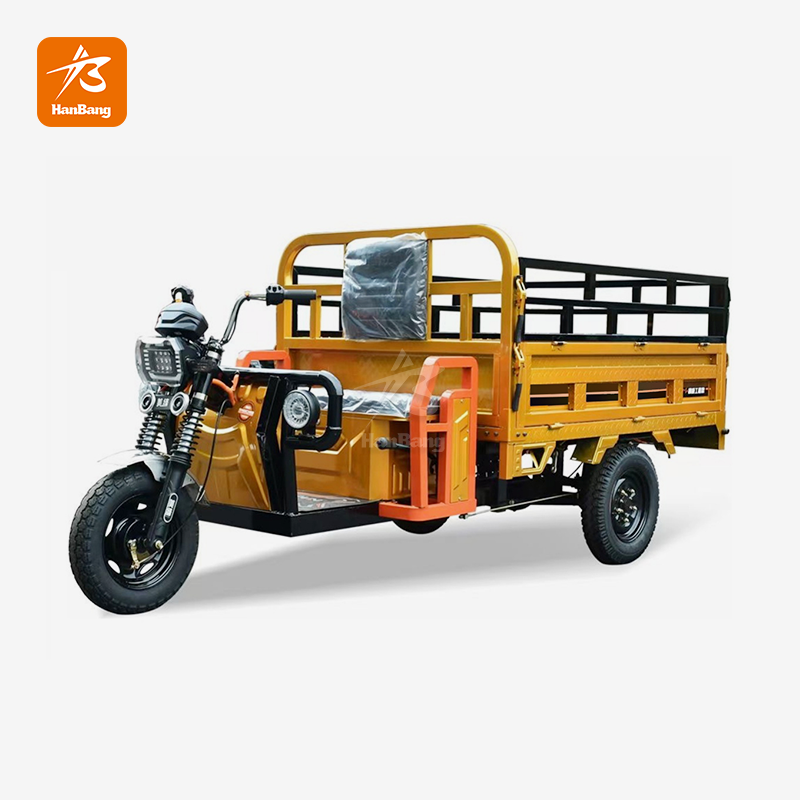
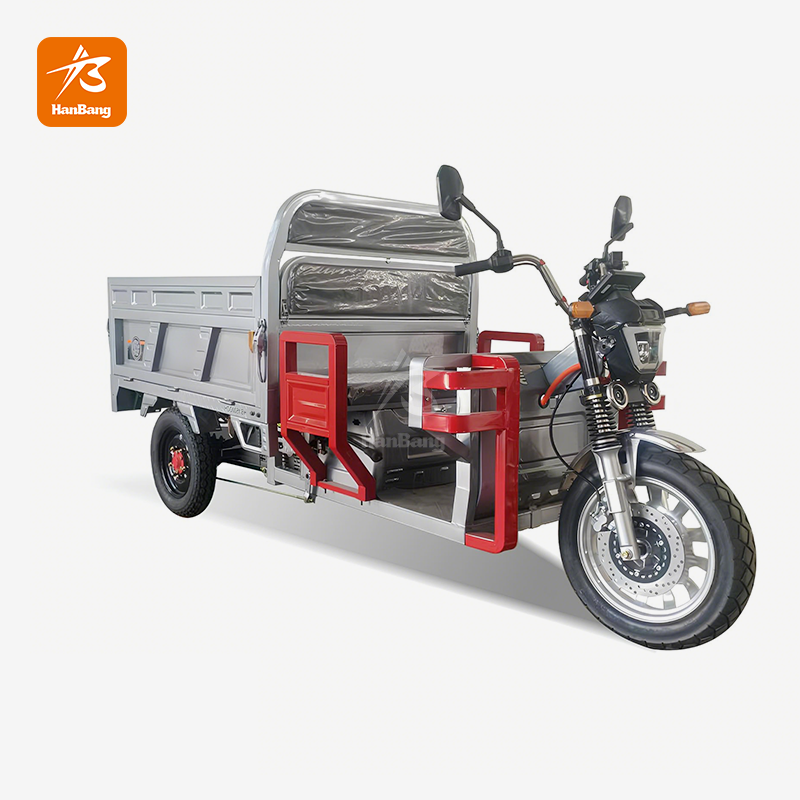
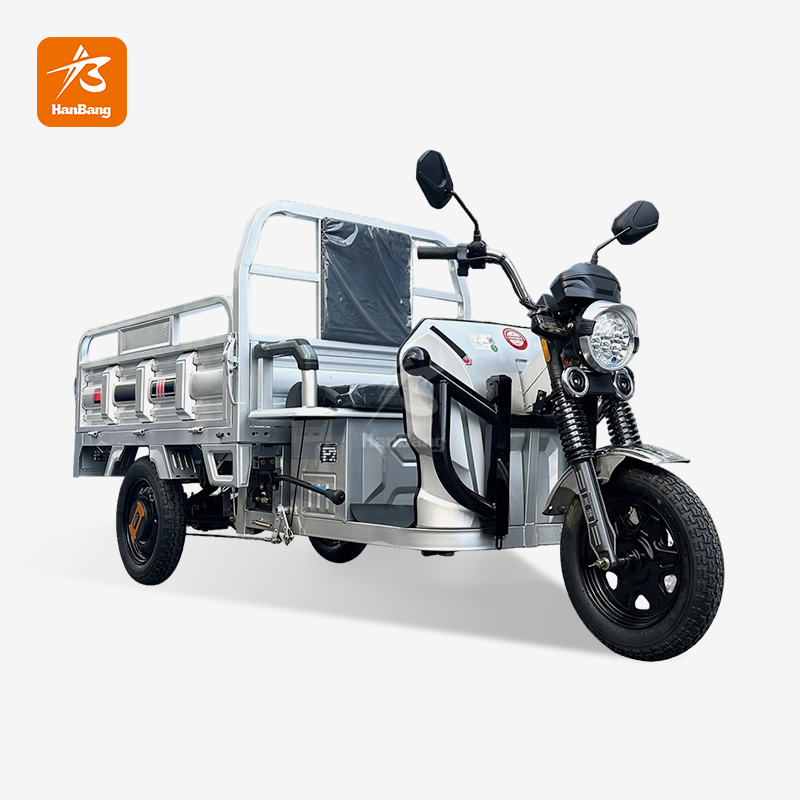
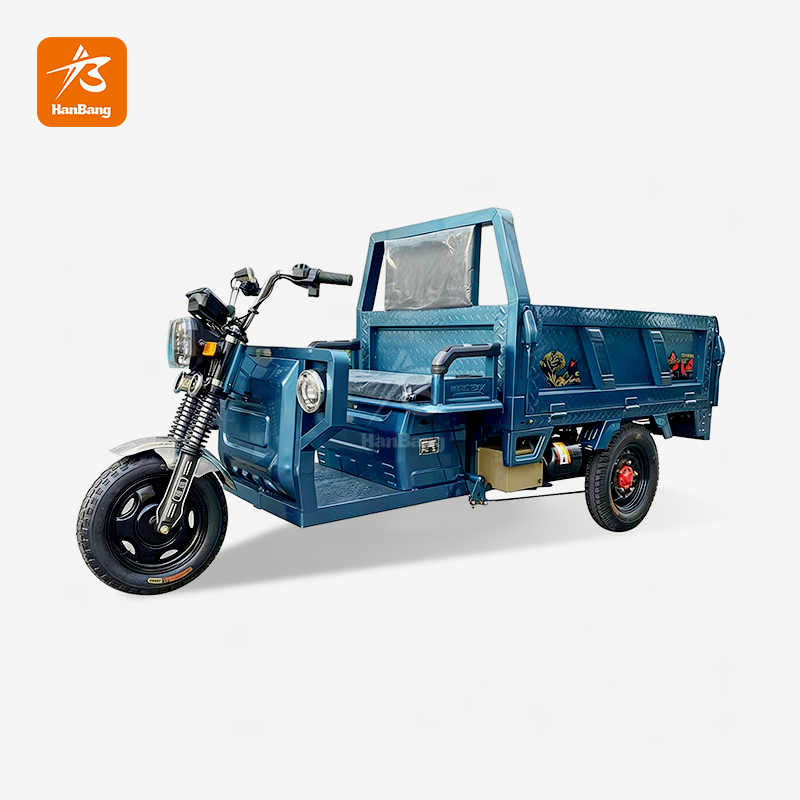
The electric cargo tricycle truck is a completely new way to handle operations in cities today. This special three-wheeled battery-electric vehicle solves important problems in last-mile service by being easy to move, able to carry a lot of stuff, and good for the environment. Instead of traditional delivery vans, which have trouble with city streets that are too narrow and parking spots that are too few, these new vehicles are like a cross between small e-bikes and big commercial trucks. They offer businesses a cost-effective alternative that cuts down on operational costs while still meeting the stricter requirements of zero-emission zones.

Understanding Electric Cargo Tricycle Trucks: Features, Benefits, and Applications
With their advanced three-wheeled design and electric motor technology, electric cargo tricycle trucks are designed to make urban shipping operations run more smoothly. These vehicles are a big step forward in professional transportation because they combine the flexibility of smaller vehicles with the cargo space needed for important business uses.
Core Technical Specifications and Design
The unique engine system is what makes each electric bicycle truck for goods work. Differential motors with a power range of 1000W to 3000W provide high torque at low RPMs, which lets these cars climb up to 20–30% grade while fully loaded. The two-layer strengthened chassis can handle standing loads of 500 kg to 1500 kg, so they can be used for a wide range of cargo needs.
Most battery systems use either Lead-Acid or Lithium-Iron Phosphate technology and either 60V or 72V designs. The operating range of these systems is between 60 km and 120 km per charge, based on the load and the terrain. The cargo box has been electrostatically painted or galvanized, which meets ISO 9227 Salt Spray guidelines for protection to rust.
Operational Advantages in Urban Environments
The three-wheeled design makes it easier to turn than standard business trucks with four wheels. In crowded cities with tight alleys and limited parking, this design advantage is especially useful because it makes it easier to send packages than in other situations. The small size lets you park next to the curb without blocking traffic, which cuts down on delivery time-per-drop by a large amount.
Electric operation gets rid of the need for fuel and cuts upkeep costs by about 70% compared to options that use internal burning. Because they don't put out any smoke, they can follow the rules for Zero-Emission Zones and noise pollution, where regular diesel cars are limited or banned from operating.
Primary Application Sectors
Last-mile transport companies in cities use these cars to get goods from regional storage hubs to customers' homes. The quiet operation keeps animals from getting stressed out in rural settings, and the lack of engine fumes keeps crops from getting contaminated. Construction and city maintenance work can benefit from expensive models that have hydraulic dumping features, which make it easier to move materials and trash around on small work sites.
Comparing Electric Cargo Tricycle Trucks with Alternative Solutions
Procurement teams can make better choices based on practical needs and budget limits when they know how electric cargo tricycle trucks compare to other transport options.
Performance Against Diesel Trucks
Diesel cars are still better at moving large amounts of stuff and traveling long distances, but they have a hard time in cities. Increasing fuel costs, strict emission rules, and limited access to city areas all make it harder to do business. Electric options, such as 3 wheel electric tricycle cargo, can help with these problems. The total cost of ownership study always favors electric choices when you look at how much money you save on fuel, how little upkeep you need, and how much it costs to follow the rules.
Comparing environmental effects shows big changes in carbon load and effects on neighborhood air quality. Electric transport tricycles don't release any direct pollution, which helps clean up the air in cities and supports companies' efforts to be more environmentally friendly. As cities and towns put in place tighter pollution standards and carbon reduction rules, this environmental benefit becomes even more important.
Advantages Over Electric Cargo Bikes
Although electric cargo bikes are easy to move around and don't cost much at first, they don't have the storage capacity or range needed for large-scale business activities. Cargo tricycles that are powered by electricity can carry a lot more than bikes can, usually 10 to 15 times as much. The bike form also benefits from weather cover and driving comfort, making it possible to use all year in a variety of climates.
Tricycle designs have longer operating ranges than bike designs because their batteries are more efficient and their brakes use less energy. The built-in shift gear makes it possible to adapt to different terrains, and the hydraulic systems make loading and lifting faster and easier than with a manual bike.
Market Performance Analysis
Leading makers have made models that are tailored to the needs of certain industries. Payload limits are usually between 500 kg and 1500 kg, with 500 kg being used for light transport and 1500 kg being used for building and farming. Range depends on how the batteries are set up and how much weight is on them, but most market types can go 80 to 100 km in normal conditions.
Standards for quality assurance focus on tests for structure wear and making sure that electricity safety is met. Load-bearing road tests put cars through obstacle courses that are full of 120% of their estimated capacity. This makes sure that the frame stays strong under dynamic stress conditions. Waterproofing checks make sure that important parts have IP67 ratings, which keeps the electricity from going out in bad weather.
How to Choose the Right Electric Cargo Tricycle Truck for Your Business?
To choose the best electric cargo truck, you need to carefully look at your long-term business goals, working needs, and budget. Both numeric performance measures and emotional practical factors should be used in the decision-making process.
Assessing Operational Requirements
Analysis of delivery amount is the basis for choosing a car. Companies that make 20 to 50 deliveries a day in cities usually do well with standard payload setups. On the other hand, heavy-duty versions may be needed for bulk transport or farming uses. Geography factors in terrain problems, parking limits, and the availability of charge facilities.
Cargo type specifications for an electric cargo tricycle truck influence vehicle configuration choices. Goods that need to be kept at a certain temperature may need areas that are sealed. On the other hand, building materials need loading systems that are stronger and hydraulic dump capabilities. How the weight is distributed and how often it is loaded also affect the chassis's needs and how well it works.
Financial Analysis and ROI Considerations
When you figure out the total cost of ownership, you have to include the costs of buying the item, paying for it, running it, and maintaining it. When electric cars are used instead of gasoline vehicles, they usually pay for themselves in 18 to 24 months, mostly through lower fuel costs and upkeep costs.
Leasing choices give companies the freedom to test the use of electric vehicles or deal with tight cash flow. When you buy in bulk, you often get savings, longer guarantee coverage, and faster service support. In markets that encourage people to buy electric cars, government benefits and tax credits can have a big effect on the financial analysis.
Performance Metrics and Specification Matching
The battery range needs to match the daily working needs plus 20 to 30 percent for safety. Planning the charging system becomes very important for businesses that need to do more than just one charge. Payload capacity matching makes sure that vehicles are used efficiently without putting safety or following the rules at risk.
Different markets and uses have different safety features and rules that must be followed. approval from the EEC lets you sell in European markets, while approval from the CCC lets you sell in Chinese markets. Local rules may include lighting requirements, performance standards for brakes, and requirements for operator licenses that affect the choice of car and how it is operated.
Procurement Insights: Purchasing, Financing, and Supplier Selection
To buy electric passenger tricycles successfully, you need to carefully consider your suppliers, do a full study of your financial options, and plan your support system well. Electric vehicle technology is very complicated, so it's important to be very careful when choosing a provider and to keep building partnerships.
Supplier Evaluation and Selection Criteria
Manufacturer track records show how reliable a product is, how good the service is, and how long the company will be around. Established companies like Hanbang show their wide range of skills by having many patents, foreign certifications, and a position in markets all over the world. Production capacity and quality control methods make sure that products are always available and meet performance standards.
For electric car operations, being able to provide technical help becomes very important. Suppliers should offer full training programs, diagnosis tools, and detailed technical information. Throughout a vehicle's lifetime, working stability and repair costs are directly affected by the supply of parts and the breadth of the service network.
Financing Options and Cost Management
There are many ways to pay for a purchase, from standard equipment loans to electric car programs with good terms. Leasing gives businesses more freedom in how they run, and some deals may include repair services that make managing their fleets easier. Costs can be affected by government reward programs in a big way, and these programs should be looked at during the buying process.
The benefits of buying in bulk for 3 wheel electric tricycle cargo go beyond lower unit costs. They also include faster service support, more customization choices, and longer guarantee coverage. Standardizing the fleet makes it easier to train people, keep track of parts, and do upkeep. Making promises to buy a lot of something may also help you get better credit terms and payment schedules.
Quality Assurance and Compliance
Structure soundness, electricity safety, and performance standards should all be checked by thorough testing procedures. Load-bearing tests make sure the chassis is strong at its highest volume, and protection checks make sure the power system works well. Testing the performance of brakes makes sure that safety systems work well under different loads and terrain situations.
The kinds of certifications needed depend on the market and the job. In order to sell goods in Europe, you have to follow EEC rules. Other places may have their own safety or emission rules. To make sure that suppliers follow the rules and help businesses run smoothly, their paperwork should have full certification packages, guarantee terms, and service processes.
Future Trends and Innovations in Electric Cargo Tricycle Trucks
Electric transport tricycles are changing faster because battery technology, digital integration, and self-driving systems are getting better. These changes look like they will make operations more efficient and open up new business possibilities for companies that are willing to look ahead.
Battery Technology Advancements
Lithium-ion battery changes focus on making them more energy dense, charge faster, and less expensive. New battery chemistries claim to increase range by 40–50% while cutting charge times to less than two hours for full capacity. Within the next ten years, solid-state battery technology might get rid of worries about range anxiety.
Smart battery management systems keep an eye on things in real time, send out maintenance alerts ahead of time, and use optimization formulas to make sure that batteries last longer and work more efficiently. Integration with fleet management systems lets you find the best routes based on the current state of the batteries and the availability of charge stations.
IoT Integration and Fleet Management
With connected vehicle technology, electric passenger tricycles can be turned into data-generating assets that help the whole fleet run more efficiently. It is possible to lower running costs and improve service efficiency with GPS tracking, route planning, and predictive repair. Real-time tracking lets you plan repairs ahead of time and improve efficiency.
Telematics systems give a lot of information about operations, like how drivers behave, how much energy they use, and how often they need to be serviced. This information allows for ongoing efforts to improve things and helps make the case for expanding the fleet or upgrading technology.
Regulatory Environment and Market Opportunities
More people living in cities and stricter rules about the environment are making the market for electric cargo cars bigger. Traditional delivery trucks can't get into some big towns around the world because they are in zero-emission zones. This gives electric options a competitive edge. Companies use electric vehicle options because they have to because of rules that require them to reduce carbon emissions and report on their sustainability.
Government reward programs are always changing, and these days, they often favor electric business cars by giving them money to buy them, tax breaks, and special rights to operate. As part of building up infrastructure, charging networks are being expanded, and in some places, electric business cars will have their own lines.
Conclusion
Electric cargo bicycle trucks have been used for a long time to solve delivery problems in cities, and they offer companies a great mix of cost savings, environmental friendliness, and operating speed. The technology is now more developed than it was in the early stages of adoption. Reliable goods from well-known makers are backed by large service networks. As city rules support electric cars more and more and as businesses put more emphasis on green efforts, these new ways of getting around give companies a competitive edge in a market that is always changing.
FAQ
How much weight can an electric cargo bike carry?
Depending on the type and setup, electric cargo tricycles can carry loads weighing anywhere from 500 kg to 1500 kg. The heavier versions made for farming and building can handle the heavier end of this range. Standard delivery models, on the other hand, focus on the 500–800 kg range for easy movement in cities.
How does the range of operation compare to that of regular service vehicles?
Under normal conditions, most electric passenger tricycles can go 60 to 120 km on a single charge. This has a shorter range than diesel cars, but it's still enough for most service trips in cities. For operations in cities, not having to worry about range is often a relief because batteries can be charged overnight or during breaks.
What kinds of repair should fleet owners expect?
Electric cargo tricycles need about 70% less upkeep than tricycles with internal combustion engines, and they cost about 70% less to maintain. As part of regular upkeep, the tires are rotated, the brakes are checked, and the battery system is watched. Maintenance plans are easier to follow and costs are lower because there is no engine oil, filters, or complicated transmission systems.
Partner with Hanbang for Your Electric Cargo Tricycle Truck Solutions
Hanbang is a top company that makes electric cargo tricycle trucks and has been developing and making electric vehicles for more than ten years. Our wide range of products meets the needs of many different industries, from urban transport to farming uses. We have over 200 domestic and foreign patents to back up our products, and we have a lot of experience in the global market. With a 150,000-square-meter clever production center and goods that are sent to almost 50 countries, we offer reliable, long-lasting electric bike options that cut costs while still meeting high quality standards. Email our team at nicole@xzmeidi.com to talk about your unique electric cargo tricycle truck for sale needs and find out how our flexible solutions can help your fleet run better.
References
- Smith, J.R. "Urban Logistics and Electric Vehicle Integration: A Comprehensive Analysis of Last-Mile Delivery Solutions." Journal of Transport Economics, Vol. 45, 2023.
- Chen, L. and Martinez, A. "Comparative Study of Electric Cargo Vehicles in Metropolitan Areas: Performance, Cost, and Environmental Impact Assessment." International Review of Sustainable Transportation, 2023.
- Thompson, K.M. "Electric Tricycle Technology: Engineering Advances and Market Applications in Commercial Transportation." Electric Vehicle Technology Quarterly, Issue 3, 2023.
- Rodriguez, P. and Liu, H. "Total Cost of Ownership Analysis for Electric Commercial Vehicles in Urban Freight Distribution." Transportation Research Part D: Transport and Environment, 2023.
- Anderson, R.J. "Regulatory Frameworks and Market Dynamics for Electric Cargo Vehicles in Global Cities." Urban Policy and Planning Review, Vol. 28, 2023.
- Kumar, S. and Johnson, M. "Battery Technology Advancements and Their Impact on Electric Commercial Vehicle Performance." Energy Storage and Electric Vehicle Technology, 2023.