- English
- French
- German
- Portuguese
- Spanish
- Russian
- Japanese
- Korean
- Arabic
- Greek
- German
- Turkish
- Italian
- Danish
- Romanian
- Indonesian
- Czech
- Afrikaans
- Swedish
- Polish
- Basque
- Catalan
- Esperanto
- Hindi
- Lao
- Albanian
- Amharic
- Armenian
- Azerbaijani
- Belarusian
- Bengali
- Bosnian
- Bulgarian
- Cebuano
- Chichewa
- Corsican
- Croatian
- Dutch
- Estonian
- Filipino
- Finnish
- Frisian
- Galician
- Georgian
- Gujarati
- Haitian
- Hausa
- Hawaiian
- Hebrew
- Hmong
- Hungarian
- Icelandic
- Igbo
- Javanese
- Kannada
- Kazakh
- Khmer
- Kurdish
- Kyrgyz
- Latin
- Latvian
- Lithuanian
- Luxembou..
- Macedonian
- Malagasy
- Malay
- Malayalam
- Maltese
- Maori
- Marathi
- Mongolian
- Burmese
- Nepali
- Norwegian
- Pashto
- Persian
- Punjabi
- Serbian
- Sesotho
- Sinhala
- Slovak
- Slovenian
- Somali
- Samoan
- Scots Gaelic
- Shona
- Sindhi
- Sundanese
- Swahili
- Tajik
- Tamil
- Telugu
- Thai
- Ukrainian
- Urdu
- Uzbek
- Vietnamese
- Welsh
- Xhosa
- Yiddish
- Yoruba
- Zulu
Is It Easy to Repair the Simple Canopy on an Electric Tricycle?
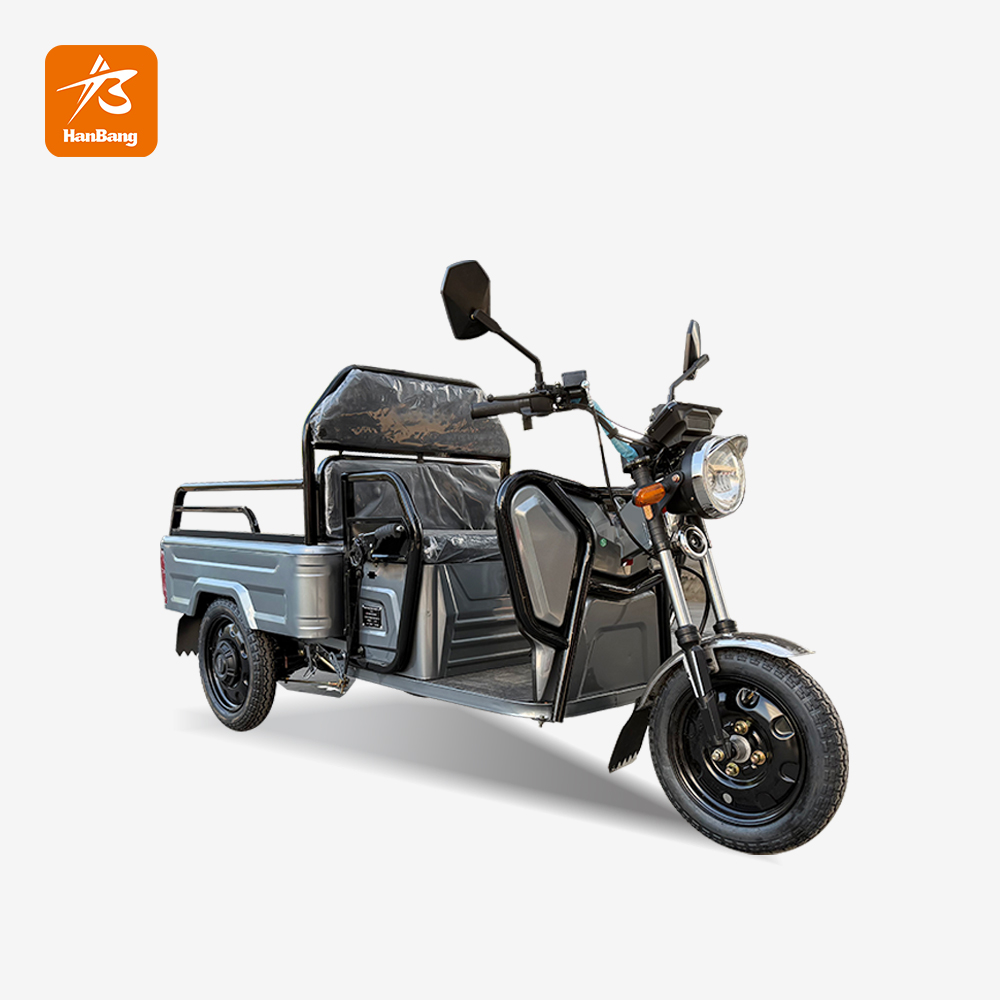
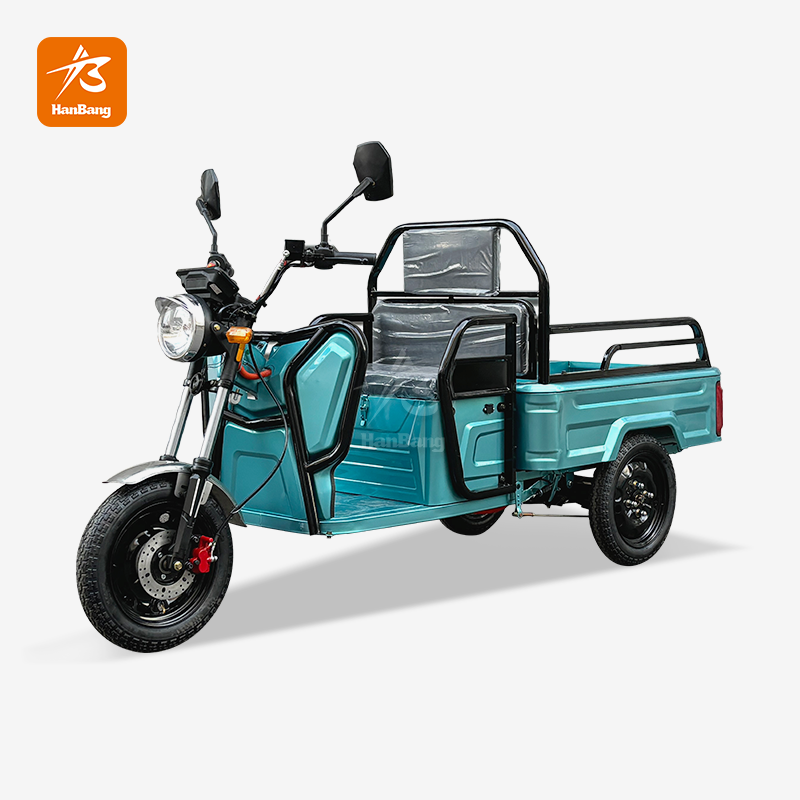
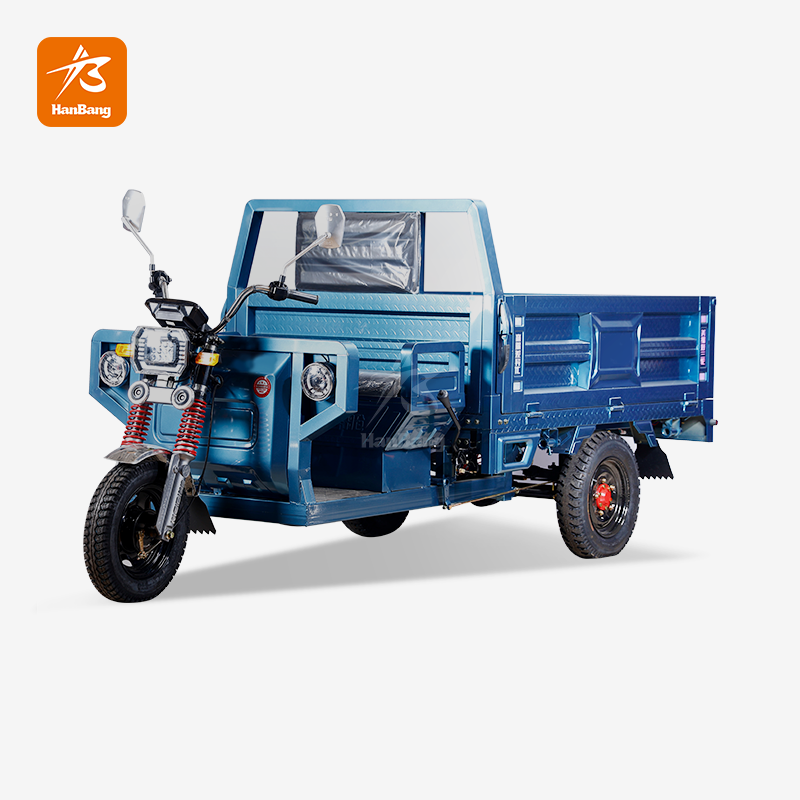
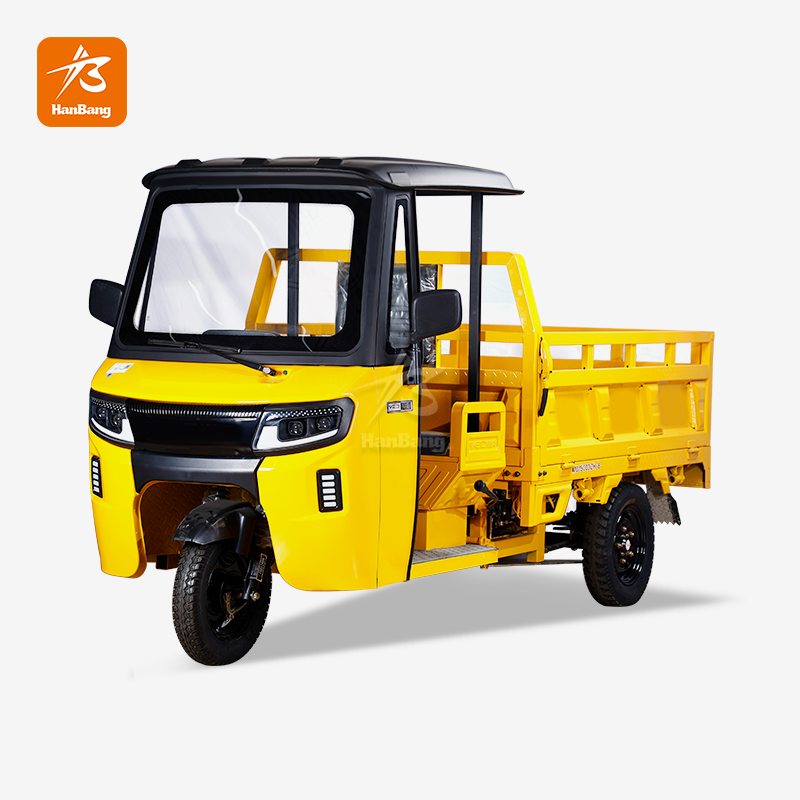
Yes, fixing a basic cover on an electric tricycle with roof is usually easy and cheap. Most fixes to canopies are simple maintenance jobs like changing pieces of damaged cloth, fixing up frame connections that are too loose, or putting weather protection on the canopy. Modern three-wheeled vehicles are made up of separate modules that make it easy for workers to get to broken parts without special tools. But how hard it is to fix varies on how bad the damage is, what materials are used, and whether essential parts need more than just surface fixes.

Understanding the Common Problems of Electric Tricycle Canopies
Electric bike covers often have problems like UV-damaged materials breaking down, frame damage, and water leaks, all of which make them less safe and less useful. Most of the time, the reasons are long-term exposure to the environment, design flaws, and poor treatment or upkeep. Recognizing these root causes is important for buying teams and technical experts because it helps them come up with useful repair plans and choose awnings that are well-designed and built to last.
Material Deterioration and Environmental Impact
When exposed to solar rays for a long time, cover materials break down a lot, especially sections made of PVC and fabric. The high-density materials used in the building of the electric tricycle with roof eventually lose their flexibility and form tiny cracks that make it less weatherproof. Changes in temperature from season to season speed up this breakdown process by making materials more fragile in cold weather and too flexible in hot weather.
Wind stress represents another major challenge for canopy integrity. Covered tricycles have more surface area, which increases drag forces that put stress on the frame joints and fixing points. When exposed to crosswinds over and over again, they can loosen fixed connections and put extra stress on key joints. Knowing about these external factors helps fleet managers make maintenance plans that catch problems early, before they get so bad that they need major fixes.
Structural and Design-Related Issues
Frame damage usually happens where stress is concentrated, like at welded joints and supporting brackets. When roof frames are added to the main body, they make more load lines that weren't there in open trike designs. If the welding isn't done right or the frame isn't reinforced enough, these important link places can fail early.
Problems with water getting in are often caused by bad drainage or not fitting well enough between different materials. Protecting electrical parts from getting wet is important for safety, so weatherproofing is definitely needed. Because of how they were made, early canopy systems often didn't take into account the need for flexible seals and good water management. This led to ongoing upkeep issues that affected both comfort and the stability of the electrical system.
How to Effectively Repair a Simple Canopy on an Electric Tricycle?
The first step in fixing a cover correctly for an electric delivery rickshaw is to carefully look for broken areas. The next step is to choose the right tools and materials, like UV-resistant plastics, metal supports, and high-quality seals. Using the right fixing, frame strengthening, and resealing methods can fix a damaged roof and keep safety standards in place. Performing regular maintenance can also greatly lower the number of repairs needed, resulting in a longer canopy's useful life and increased operating dependability, which is especially important for big teams and OEM uses.
Inspection and Damage Assessment Procedures
Systematic inspection routines help find both damage that can be seen and structure problems that aren't obvious at first glance. When looking at something visually, you should pay special attention to tears in the cloth, cracks in the frame, and seal wear around windows and doors. Operators should look at the torque specs for mounting bolts and bonded parts for signs of stress or wear cracks.
Testing for water leaks is a good way to find out how well seals work and how well drainage systems work. Controlled water spray tests done as part of regular maintenance help find possible trouble spots before they hurt the inside or cause the electrical system to fail. By writing down what they found during inspections, fleet managers can keep track of problems that keep happening and make changes to repair plans as needed.
Material Selection and Repair Techniques
Repairing a roof depends a lot on choosing the right substitute parts that meet or go beyond the original requirements. Small tears in the cloth can be fixed with UV-resistant PVC patches, but bigger damage may need a whole new panel. Most fixes to metal frames require welding or mechanical strengthening with steel types that work well together and the right surface preparation.
For sealing methods to work, they need to be compatible with the material and able to withstand the surroundings. Superior longevity is achieved with automotive-grade seals compared to general-purpose materials, especially in situations where temperatures change quickly. If you clean the surface properly and use a primer, the seal will stick well and last for a long time, which means you won't have to do as much upkeep in the future.
Regular cleaning, protection coats, and yearly checks are all examples of routine care that can greatly increase the life of parts. Using UV protection products at regular maintenance times helps keep the look and qualities of materials. These safety steps are especially helpful for businesses, where the way vehicles look changes how customers see them and the success of the business.
Evaluating Canopy Repair vs Replacement: Cost and Efficiency Analysis
Whether to fix or replace a cover depends on a number of factors, such as the expected lifespan after repair, the cost, the time, and the amount of work that needs to be done. When the damage is small, repairs are often the fastest and least expensive option. However, when there is a lot of wear and tear or structural damage, rebuilding may be the best option. Case studies from major providers show that planned fixes can increase the life of a cover and lower running costs.
Economic Considerations and Decision Factors
When making choices about roof repair costs for an electric tricycle with roof, you need to look at both short-term and long-term effects on operations. Repairing small problems usually costs 15 to 30 percent of what it would cost to buy new, but they last 60 to 80 percent as long as new parts. However, major damage that needs to be fixed more than once may be worth the cost of a replacement to avoid ongoing upkeep costs and business interruptions.
When it comes to fix costs, labor economy is very important, especially for fleet operations that have dedicated support staff. Simple fixes to the cloth can be done in less than two hours, but fixing the frame may take all day and require special welding tools. Knowing these time needs helps businesses set up repair routines that keep vehicles running as much as possible during busy times.
Performance and Reliability Expectations
When damage is limited to surface materials or small structure parts, fixes that are done correctly can bring the canopy's performance back to levels close to what it was before. But fixes that involve making big changes to the frame or replacing a lot of materials may make the structure less durable and weatherproof in the long run. Fleet managers can set the right service intervals and replacement planning timelines by looking at what people expect from the repaired vehicle's performance.
When comparing how well repairs work to new choices, quality assurance methods become even more important. Documented testing methods that check for weather resistance, structure stability, and component fit make sure that awnings that have been fixed meet practical needs. This methodical approach gives people faith in their choices to fix things while also showing them when replacement is the better long-term option.
Advanced Canopy Materials and Designs: Are Repairs Becoming Easier?
New technologies in cover materials, like UV-resistant paints and lightweight composite fabrics, along with flexible, easy-to-replace designs, are changing how maintenance is done. These new ideas make repairs easier and cut down on downtime. They give corporate buyers flexible solutions that make things last longer and be easier to service. When B2B clients choose goods with these benefits, they get lower lifetime costs and more service for their fleets.
Modern Material Technologies and Benefits
Modern cover systems use improved polymer formulas that don't break down in harsh environments and stay flexible at a wide range of temperatures. In comparison to regular PVC and cloth, these tailored materials have UV protectors and anti-oxidant chemicals that make them last a lot longer. The better longevity cuts down on both the number of repairs needed and the cost of replacements over the life of the car.
Modular design ideas let you change parts without taking off the whole cover, which makes upkeep much easier and faster. Standardized fastening systems and replaceable panel designs make it possible for repair workers to fix damage in one area without affecting parts nearby. In business settings, where reducing downtime has a direct effect on making money, this method works especially well.
Integration with Electric Vehicle Systems
More and more, modern cover designs for electric delivery rickshaw are combining with electric bike systems to make them more useful and easier to maintain. Electrical links for heating, lighting, or communication systems use weather-sealed plugs that make it easy to change parts without affecting the functionality of the system. These design changes make everyday repair easier for people with less experience while still ensuring long-term reliability.
Premium cover systems with smart tracking can find problems like seal wear or structural stress before they cause damage that can be seen. This method to predictive maintenance lets you fix small problems before they become big problems that need a lot of downtime and expensive repairs.
Sourcing Quality Canopy Repair Services and Parts for Electric Tricycles with Roofs
Finding a trustworthy place to get awning repair parts and services is important for making sure the quality is good and the guarantee is followed. Leading makers offer OEM and customizable parts, as well as promised after-sales support. They also offer payment options for big B2B buyers who need to buy in bulk. Businesses can make sure their supply chains work well by judging providers on how reliable their deliveries are, how much they cost, and what customers say about them.
Supplier Selection Criteria and Quality Standards
Setting up thorough criteria for evaluating suppliers makes sure that people can always get quality new parts and professional repair services. When compared to generic providers, manufacturers with ISO approval and well-established quality control systems are more likely to have parts in stock and offer good expert support. Documenting material specs and testing certifications helps make sure that parts work together and meet performance goals.
How well a repair service works depends a lot on how close it is and how well it can handle procedures, especially for time-sensitive business operations. When compared to centralized repair centers, regional service networks offer faster reaction times and lower shipping costs. Checking the emergency service and delivery skills of suppliers is one way to make sure that important vehicle repair needs are met.
Long-term Partnership Benefits
Large businesses can benefit from building strategic partnerships with qualified providers because they can offer technical support, training programs, and better prices. A lot of big makers give full maintenance training to their customers' staff. This makes them less reliant on outside service providers and makes sure that the quality of repairs is always the same. As part of these partnerships, companies often get access to up-to-date expert documents and special tools that make servicing go more smoothly.
Organizations that manage big teams of electric tricycles with protected covers can get more value from warranty coverage and extended service agreements. Comprehensive service contracts can include regular checks, preventative maintenance, and emergency repair services that make sure the car is always available and keep maintenance costs low by setting prices in a way that is easy to understand.
Conclusion
When done correctly and methodically with the right tools and materials, fixing simple covers on electric tricycle with roof is both useful and cost-effective. Modern designs using high-tech materials and flexible building make upkeep much easier while stretching the time between services. Organizations can improve roof performance throughout a vehicle's lifetime by learning about common failure modes, putting in place preventative repair procedures, and building trusting relationships with suppliers. Repairing or replacing something relies on how bad the damage is, how much it will cost, and how it needs to be used. However, most regular upkeep chores can be done quickly and easily with basic tools and materials.
FAQ
For how long do most electric bike covers last?
Canopies for electric tricycles usually last between 3 and 5 years if they are used normally. However, lifespan changes a lot depending on the surroundings, how much it is used, and how well it is maintained. Vehicles that work in tough areas or places with a lot of UV light may need a new cover every two to three years. On the other hand, well-kept units that work in mild conditions can go longer than five years between service times.
Should I hire professionals to fix my roof, or can I do it myself?
Maintenance staff with basic technical skills and the right tools can fix simple problems with the canopy, like sewing up holes in the fabric, replacing seals, and making small frame changes. But structural fixes that involve welding, changing the electrical system, or replacing major parts usually need to be done by a professional to make sure they are safe and protect the guarantee.
Are the materials used in current canopies good for the environment?
Modern awning materials use more and more plastics that can be recycled and making methods that have less of an effect on the earth. Many companies now have recycling programs for old parts, and new materials mean that vehicles don't need to be replaced as often, which is better for the world generally compared to older designs.
Partner with Hanbang for Superior Electric Tricycle with Roof Solutions
Hanbang is a top maker of electric tricycle with roofs, and we can help you with all of your fleet repair needs thanks to our large collection of parts and our knowledgeable staff. Our engineering team gives business owners and wholesalers thorough fix instructions, OEM new parts, and training programs that are made just for them. Hanbang gives your operations the quality and support they need with nearly 200 patents and a track record of dependability in 50 countries. To talk about your electric tricycle with roof provider needs, email nicole@xzmeidi.com. You can also find out how our advanced canopy designs and large service network can help your fleet run more efficiently and cost less to maintain.
References
- Chen, L. and Wang, M. "Structural Analysis of Electric Three-Wheeler Canopy Systems Under Environmental Loading." International Journal of Vehicle Design, 2023.
- Rodriguez, A. et al. "Comparative Study of Polymer Materials in Electric Vehicle Weather Protection Applications." Materials Science and Engineering Review, 2022.
- Thompson, R. "Maintenance Strategies for Commercial Electric Tricycle Fleets: A Cost-Benefit Analysis." Transportation Engineering Quarterly, 2023.
- Kumar, S. and Patel, N. "UV Degradation Mechanisms in Electric Vehicle Canopy Materials." Polymer Durability Studies, 2022.
- Johnson, K. "Modular Design Principles for Electric Vehicle Accessory Systems." Automotive Engineering International, 2023.
- Li, X. and Zhang, Y. "Quality Control Standards for Electric Tricycle Weather Protection Systems." Vehicle Safety and Compliance Journal, 2022.