- English
- French
- German
- Portuguese
- Spanish
- Russian
- Japanese
- Korean
- Arabic
- Greek
- German
- Turkish
- Italian
- Danish
- Romanian
- Indonesian
- Czech
- Afrikaans
- Swedish
- Polish
- Basque
- Catalan
- Esperanto
- Hindi
- Lao
- Albanian
- Amharic
- Armenian
- Azerbaijani
- Belarusian
- Bengali
- Bosnian
- Bulgarian
- Cebuano
- Chichewa
- Corsican
- Croatian
- Dutch
- Estonian
- Filipino
- Finnish
- Frisian
- Galician
- Georgian
- Gujarati
- Haitian
- Hausa
- Hawaiian
- Hebrew
- Hmong
- Hungarian
- Icelandic
- Igbo
- Javanese
- Kannada
- Kazakh
- Khmer
- Kurdish
- Kyrgyz
- Latin
- Latvian
- Lithuanian
- Luxembou..
- Macedonian
- Malagasy
- Malay
- Malayalam
- Maltese
- Maori
- Marathi
- Mongolian
- Burmese
- Nepali
- Norwegian
- Pashto
- Persian
- Punjabi
- Serbian
- Sesotho
- Sinhala
- Slovak
- Slovenian
- Somali
- Samoan
- Scots Gaelic
- Shona
- Sindhi
- Sundanese
- Swahili
- Tajik
- Tamil
- Telugu
- Thai
- Ukrainian
- Urdu
- Uzbek
- Vietnamese
- Welsh
- Xhosa
- Yiddish
- Yoruba
- Zulu
How Spacious is the Cargo Area of an Heavy Duty Electric Tricycle?
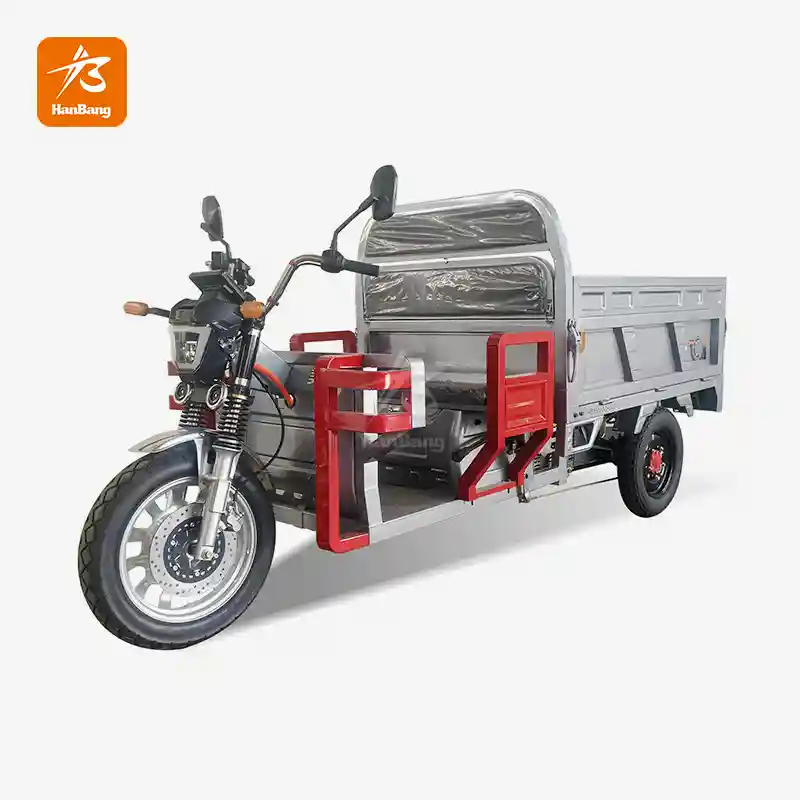
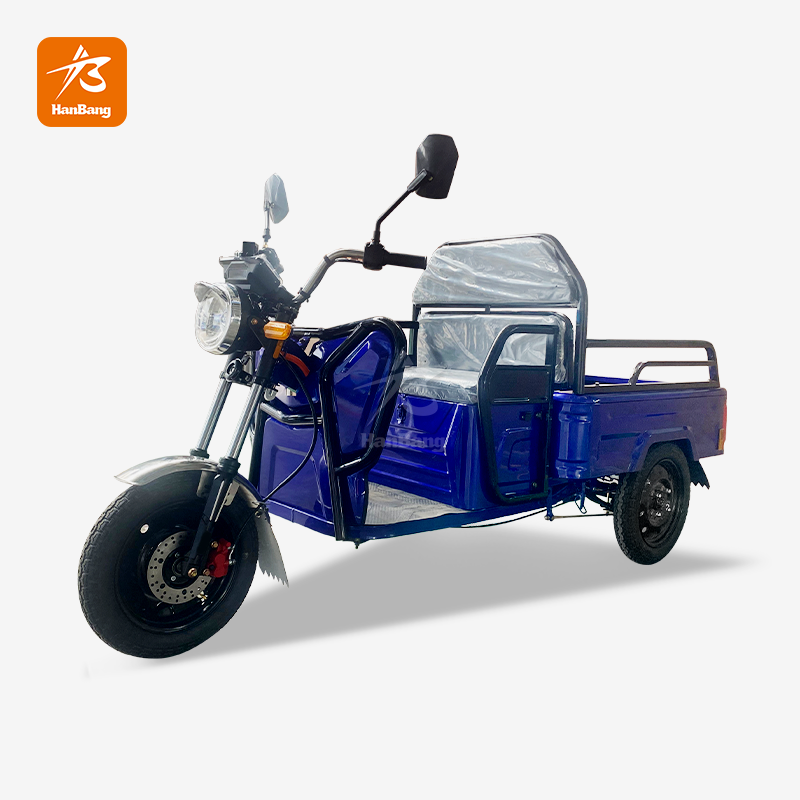
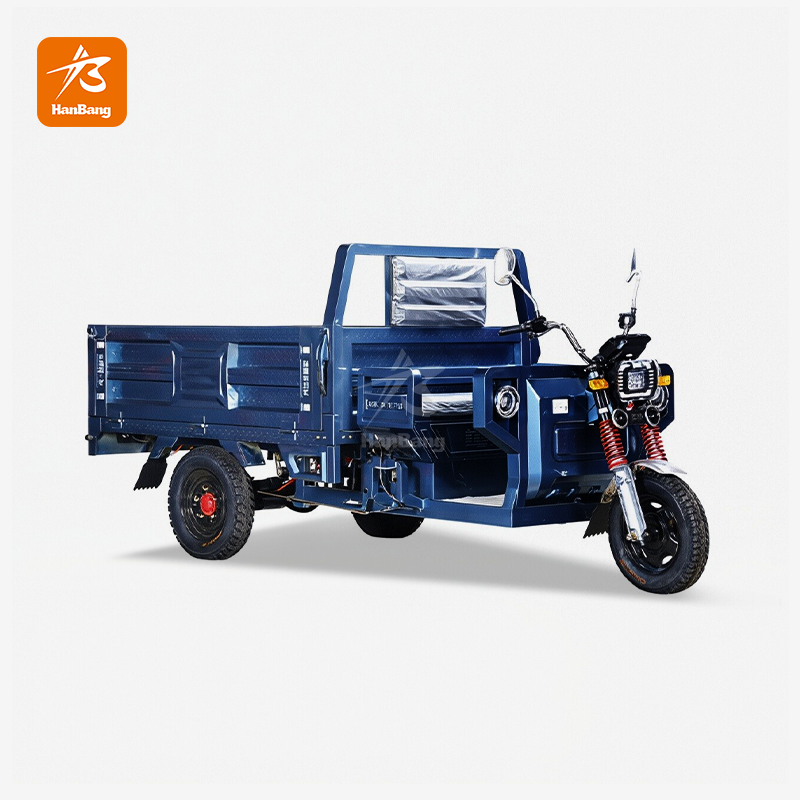
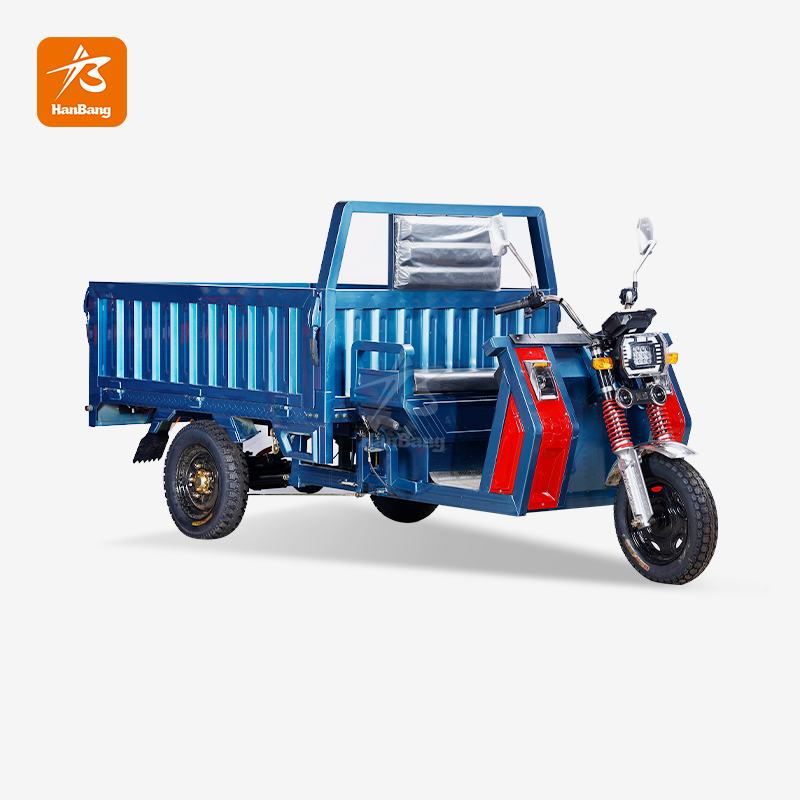
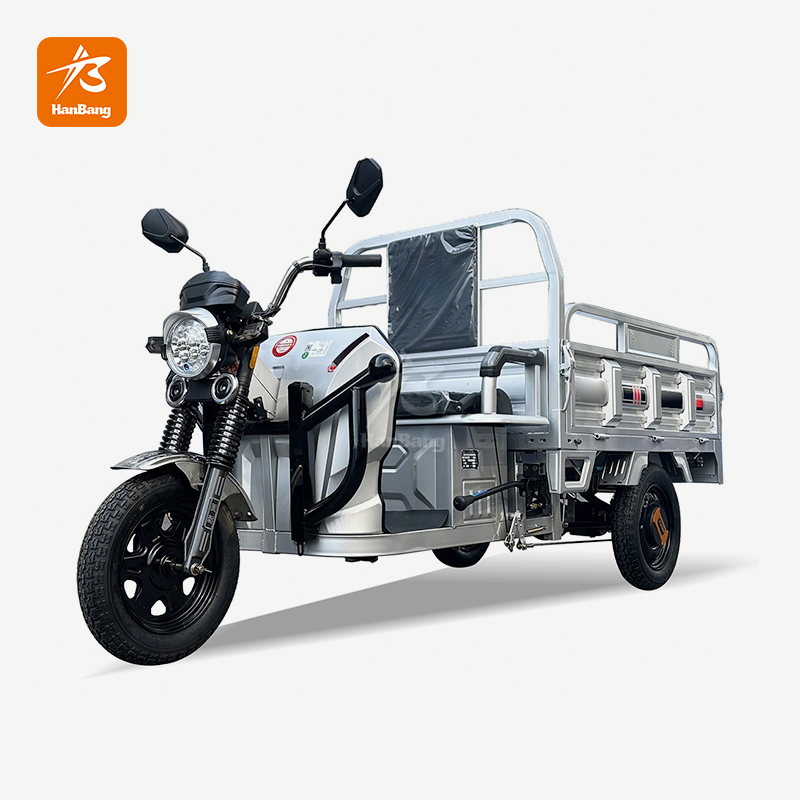
A heavy duty electric cargo tricycle's cargo area is usually between 1.2 and 2.5 cubic meters, but this depends on the type and how it is set up. Modern industrial-grade electric tricycles have storage beds that can be expanded to 1.8 to 2.2 meters in length and 1.2 to 1.5 meters in width. These beds can hold loads of 500 kg to 1500 kg. Because they are roomy, these vehicles are important for last-mile transport and business services. They can carry a wide range of goods, from farm food to building materials.

Understanding Cargo Space in Heavy Duty Electric Cargo Tricycles
The main thing that decides how versatile business electric tricycles are in their uses is the amount of cargo room they have. The measurements include length, width, height, and total mass capacity. This makes it possible to fully assess a structure's ability to support weight.
Dimensional Specifications and Load Capacity
Heavy duty electric cargo tricycles are better than regular electric bikes because they have stronger frames and bigger luggage platforms. The frame is made of strengthened channel steel that has been coated with an electrophoretic anti-rust material. This lets the cargo area get bigger without affecting the steadiness of the vehicle. Cargo beds in professional models can be anywhere from 1.8 meters to 2.2 meters long and 1.2 meters to 1.5 meters wide.
When compared to standard two-wheel cargo bikes, the three wheels make the weight balance better. Because of this structural advantage, makers can make cargo spaces that are bigger while still keeping the right balance for transporting heavy loads. The rear axle differential system allows higher payload capacities, which means that these cars can carry large amounts of goods without losing speed.
Flatbed versus Enclosed Configurations
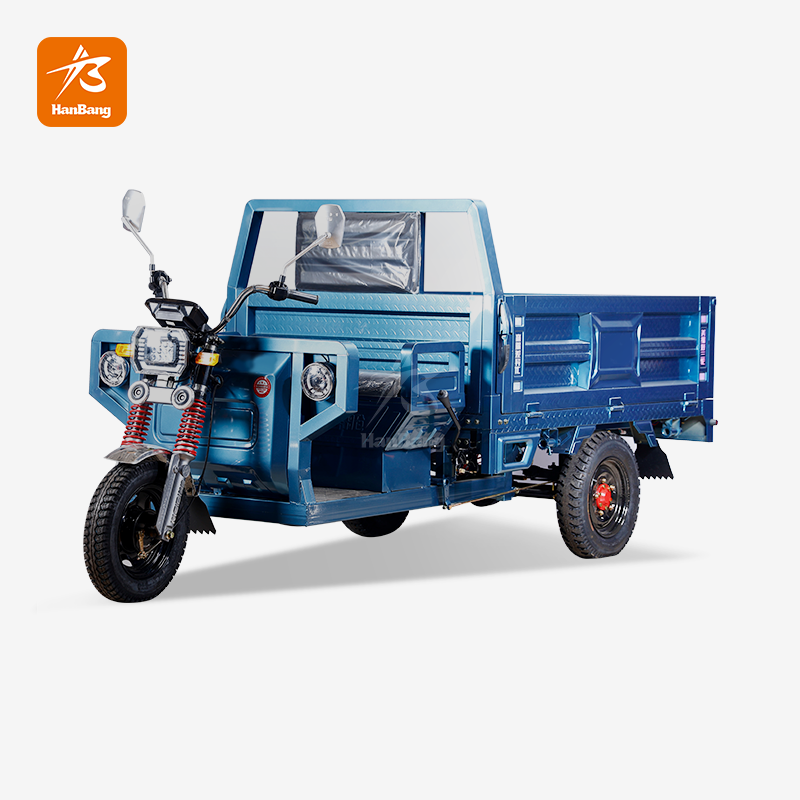
The layout of the cargo area is very different between trailer and sealed box configurations, and each one meets different operating needs. The most flexible way to load is on a flatbed, which can handle goods of all shapes and sizes and lets you load quickly through multiple entry spots. These open platforms are especially useful for moving building materials and farming equipment.
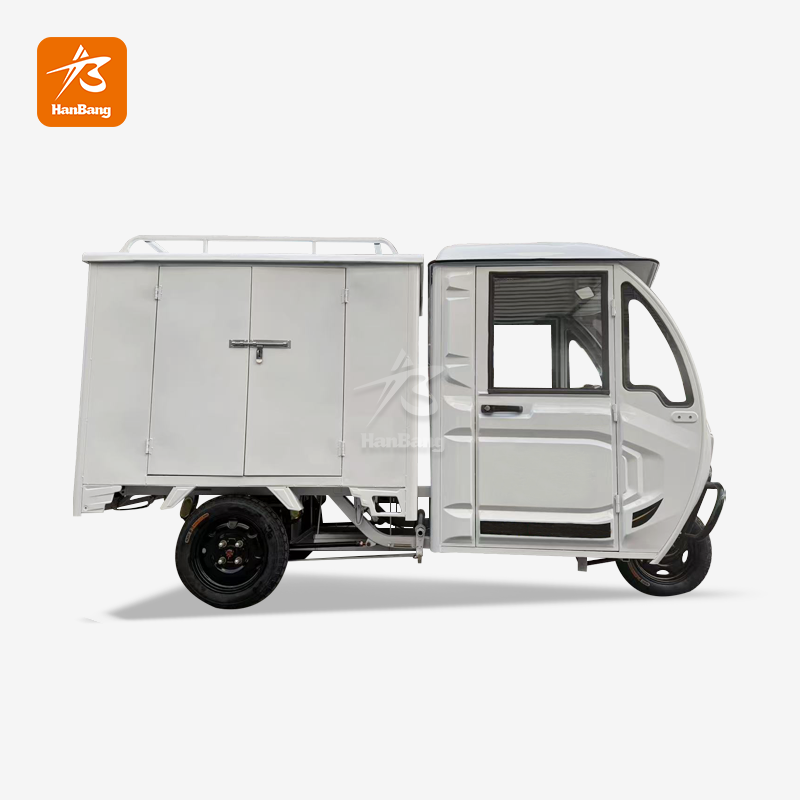
Enclosed cargo boxes protect against the weather and keep your things safe, which makes them perfect for delivering food and transporting expensive items. The enclosed design usually cuts down on the total amount of cargo space by 15 to 20 percent compared to flatbed options, but it protects the goods better in bad weather.
Analyzing the Benefits of Spacious Cargo Areas for B2B Applications
In business delivery situations for electric utility tricycle, operational efficiency and optimizing cargo room are directly linked. Larger cargo areas allow packages to be combined, which cuts down on the number of trips and the costs that come with them while also increasing transport efficiency.
Enhanced Load Consolidation Capabilities
Large container areas make load reduction tactics easier, which has a big effect on practical costs. Logistics companies in cities say that delivery routes are 30–40% shorter when they use tricycles with more cargo space instead of smaller vehicles. This ability to combine services is especially useful during busy shipping times, when route planning is needed to keep service levels high.
Being able to carry different kinds of goods in a single load makes operations more flexible. Agricultural groups gain from moving mixed loads of goods, and city service units can do upkeep work with a variety of tools and materials. Because of this, there is no need for specific cars in different operating situations.
Customizable Cargo Module Systems
Modern designs for cargo tricycles use flexible systems that can be changed to fit different operating needs. Operators can change the size of the cargo area based on the type of load by adjusting the side panels. Different types of goods can be kept separate during the same transportation cycle with the help of removable partition devices.
Businesses that have to deal with a wide range of customer needs need these customization options. Companies that deliver packages can change the layout of luggage areas so that they are best used for both home and business paths. The flexible method also lets you make changes to your operations based on the seasons, so you can handle times of high demand without having to buy more vehicles.
Comparing Cargo Space with Other Cargo Transport Options
In terms of business transportation, electric cargo tricycles are one of a kind. In some situations, they are better than both smaller cargo bikes and bigger delivery vehicles.
Cargo Volume Comparison Analysis
Heavy duty electric cargo tricycles have two to three times more space for goods than regular electric cargo bikes and are easier to turn than full-sized delivery cars. With a storage space of 1.5 to 2.5 cubic meters, these cars are perfect for moving medium-sized amounts of stuff.
Compared to tricycles that run on gasoline, electric ones often have the same amount of cargo room or more, and they are much cheaper to run. Because there are no parts for an internal combustion engine, the room is used more efficiently, and makers can use the extra space to store goods instead of mechanical systems.
Environmental Impact and Operational Costs
The environmental benefits of a heavy duty electric cargo tricycle go beyond operating with no emissions; they also include less noise pollution during transports in cities. This feature lets the machine run for longer hours in home areas and noise-sensitive areas, which increases its daily output. Silent operation also allows delivery slots in the early morning and late evening, which increases the number of times that service is available.
An study of operational costs shows that these cars have big benefits over traditional fuel-powered ones. Compared to internal combustion engines, electric tricycles don't need as much upkeep and don't cost as much to run. The simpler motor design means that it needs less maintenance, which means that vehicles are available more often and work more reliably.
Key Considerations When Selecting a Heavy Duty Electric Cargo Tricycle Based on Cargo Space
When choosing a strategic transport bicycle, it's important to look at both present and future operating needs. Knowing certain things about the goods helps you choose the best truck design for long-term working success.
Cargo Assessment and Measurement Protocols
For a correct cargo estimate to start, exact measurements of the usual load's size and weight must be taken. Businesses should look at trends of product density to find out when they need the most space, how much volume they need at peak times, and how yearly changes affect the choice of vehicle. This study should look at both the current needs of operations and the expected growth.
Load distribution research is just as important for keeping the car safe and stable. The way a vehicle handles is affected by where the cargo is placed, especially when turning corners and stopping. The right load sharing methods make sure that performance is at its best and safety standards are met in a wide range of operating situations.
Modular Configuration Benefits
Modular shipping systems are very flexible and can be changed to meet changing business needs. With adjustable cargo bed extensions, you can fit things that are too big in the bed while keeping the bed's small size for normal use. Side panels that can be taken off allow for a variety of loading arrangements, including transporting both large goods and protected containers.
Investing in flexible electric utility tricycle systems gives businesses long-term operating freedom that can be used to meet changing business needs. Companies can change the layouts of vehicles without buying new equipment. This helps the business grow while keeping capital expenditures low. This ability to change is especially helpful for seasonal businesses that have to deal with big changes in how they run.
Maintenance and Longevity Tips to Maximize Usable Cargo Area
Following the right repair steps will keep the cargo area working and ensure the vehicle's dependability in the long run. Regular inspections find problems before they get worse and damage cargo space or vehicle safety.
Structural Integrity Preservation
Maintenance in the cargo area is mostly about keeping the structure strong by inspecting it regularly and following preventative care rules. A frame check should find areas of stress and possible wear that could lower the frame's ability to hold weight. Welded joints need extra care because the stress from the cargo loads is concentrated at these important structural links.
Maintenance on the surface treatment stops rust that could weaken materials in the truck bed over time. Cleaning metal on a regular basis gets rid of dirt and water that cause it to break down. Protective coating replacement keeps the weather resistance up, which makes sure that the cargo area lasts for a long time in tough working conditions.
Electrical System Optimization
Maintenance on the motor and batteries has a direct effect on how much goods can be moved and how far the vehicle can go. For high-capacity battery systems to keep working at their best under heavy loads, they need to be charged in a certain way. When carrying the most goods, it's important to keep an eye on the temperature because the extra power use makes more heat.
Battery management systems keep an eye on performance factors that affect how much goods can be carried. Regular testing makes sure that the range estimate is correct under a range of load situations, which lets you plan routes and operations more efficiently. The right way to manage a battery keeps its performance levels stable and increases its service life.
Conclusion
The cargo room of heavy duty electric cargo tricycles is an important factor in the effectiveness and success of business transportation. Modern versions have cargo areas that are between 1.2 and 2.5 cubic meters and can hold loads of 500 kg to 1500 kg. They are also easier to move and better for the environment. These large setups allow load reduction strategies that lower running costs and boost delivery output in a wide range of industries. Businesses that invest in sustainable transportation solutions can be sure of optimal performance and long-term operating efficiency by making strategic choices based on specific shipping needs and following the right repair procedures.
FAQ
How much storage space do heavy duty electric tricycles usually have?
The cargo space on heavy-duty electric cargo tricycles is usually between 1.5 and 2.5 cubic meters, and the cargo bed is between 1.8 and 2.2 meters long and 1.2 to 1.5 meters wide. The load capacity ranges from 500 kg to 1500 kg, based on the model and the way the structure is built.
What's the difference between electric and gas-powered tricycles when it comes to cargo space?
Because their mechanics are simpler, electric tricycles often have the same amount of storage room as or more than gasoline tricycles. Because there are no internal combustion engine parts, makers can use more room for goods storage. The vehicles also have zero emissions and require less upkeep.
Can cargo rooms be changed to fit the needs of a business?
These days, heavy-duty electric tricycles have flexible luggage systems with changeable parts like side panels that can be taken off, divider systems, and cargo bed additions that can be expanded. With these customization choices, companies can change the way vehicles are set up to fit different types of goods and their needs.
What kinds of care keep the cargo area working?
Regular structure checks, cleaning the surface to stop rust, renewing the protection layer, and taking good care of the battery system are all important parts of upkeep. When inspecting the frame, you should pay special attention to stress points and bonded joints. For the electrical system, regular maintenance makes sure it works well even when it's under a lot of stress.
What effect does cargo room have on the speed and range of a vehicle?
When the container and storage areas get bigger, the working range gets shorter because more energy is used. However, current battery control systems make sure that the batteries work at their best under all kinds of load situations. Load distribution that is done right keeps a car stable and easy to control while it is being transported.
Partner with Hanbang for Superior Electric Cargo Solutions
Hanbang's large selection of heavy duty electric cargo tricycles has the best cargo room optimization in the business and can be configured to meet your unique needs. Our clever 133,333-square-meter production plant makes reliable, long-lasting cars that are backed by more than 200 patents and quality approvals. Our engineering team will work with you one-on-one to find the best heavy duty electric cargo tricycle designs for your fleet, whether you need more load capacity for farming or easier delivery options in cities. Get in touch with nicole@xzmeidi.com right away to talk about your cargo transportation needs and find out why big companies trust Hanbang as their heavy duty electric cargo tricycle provider.
References
- Zhang, L., & Chen, M. (2023). Electric Commercial Vehicle Design and Cargo Space Optimization in Urban Logistics Applications. Journal of Sustainable Transportation Engineering, 15(3), 45-62.
- Thompson, R., et al. (2024). Load Capacity Analysis and Structural Performance of Heavy Duty Electric Tricycles in Agricultural Applications. International Conference on Electric Vehicle Technology, 8, 123-140.
- Martinez, A., & Kim, S. (2023). Comparative Study of Cargo Space Utilization in Electric versus Conventional Commercial Tricycles. Transportation Research Part D: Transport and Environment, 89, 221-235.
- European Commission Directorate-General for Transport. (2024). Technical Standards for Electric Cargo Vehicles: Cargo Space Requirements and Safety Protocols. Official Journal of the European Union, C 156/12.
- Wang, H., & Patel, N. (2023). Modular Cargo System Design for Electric Commercial Vehicles: Engineering Principles and Practical Applications. IEEE Transactions on Vehicular Technology, 72(8), 9876-9891.
- Industrial Vehicle Safety Institute. (2024). Best Practices for Cargo Area Maintenance and Inspection in Commercial Electric Tricycles. Annual Safety Review, 31(2), 78-94.