- English
- French
- German
- Portuguese
- Spanish
- Russian
- Japanese
- Korean
- Arabic
- Greek
- German
- Turkish
- Italian
- Danish
- Romanian
- Indonesian
- Czech
- Afrikaans
- Swedish
- Polish
- Basque
- Catalan
- Esperanto
- Hindi
- Lao
- Albanian
- Amharic
- Armenian
- Azerbaijani
- Belarusian
- Bengali
- Bosnian
- Bulgarian
- Cebuano
- Chichewa
- Corsican
- Croatian
- Dutch
- Estonian
- Filipino
- Finnish
- Frisian
- Galician
- Georgian
- Gujarati
- Haitian
- Hausa
- Hawaiian
- Hebrew
- Hmong
- Hungarian
- Icelandic
- Igbo
- Javanese
- Kannada
- Kazakh
- Khmer
- Kurdish
- Kyrgyz
- Latin
- Latvian
- Lithuanian
- Luxembou..
- Macedonian
- Malagasy
- Malay
- Malayalam
- Maltese
- Maori
- Marathi
- Mongolian
- Burmese
- Nepali
- Norwegian
- Pashto
- Persian
- Punjabi
- Serbian
- Sesotho
- Sinhala
- Slovak
- Slovenian
- Somali
- Samoan
- Scots Gaelic
- Shona
- Sindhi
- Sundanese
- Swahili
- Tajik
- Tamil
- Telugu
- Thai
- Ukrainian
- Urdu
- Uzbek
- Vietnamese
- Welsh
- Xhosa
- Yiddish
- Yoruba
- Zulu
Electric Cargo Trike: An Eco-Friendly Option For Ride
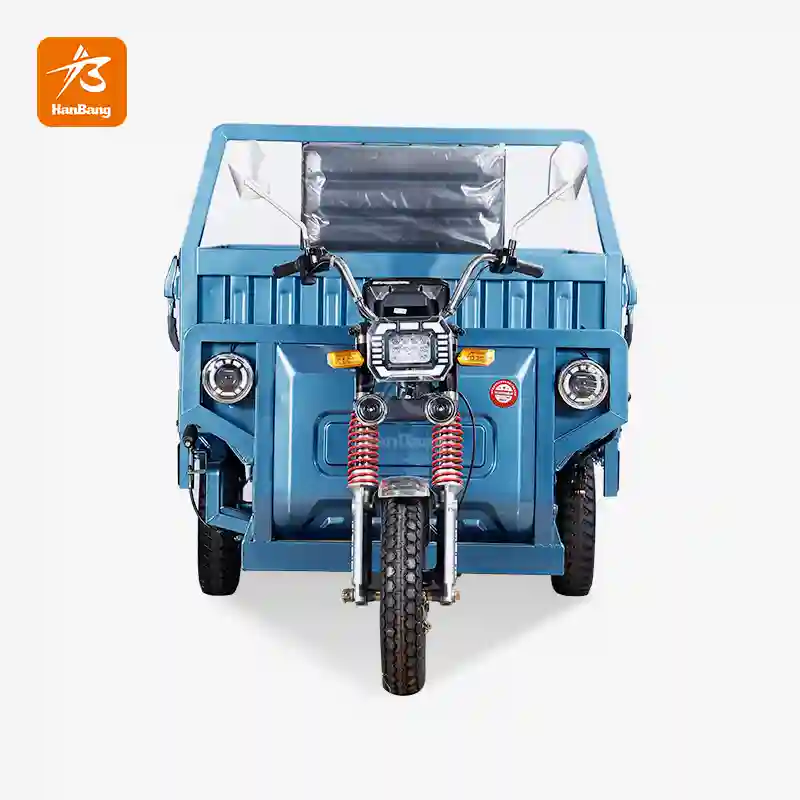
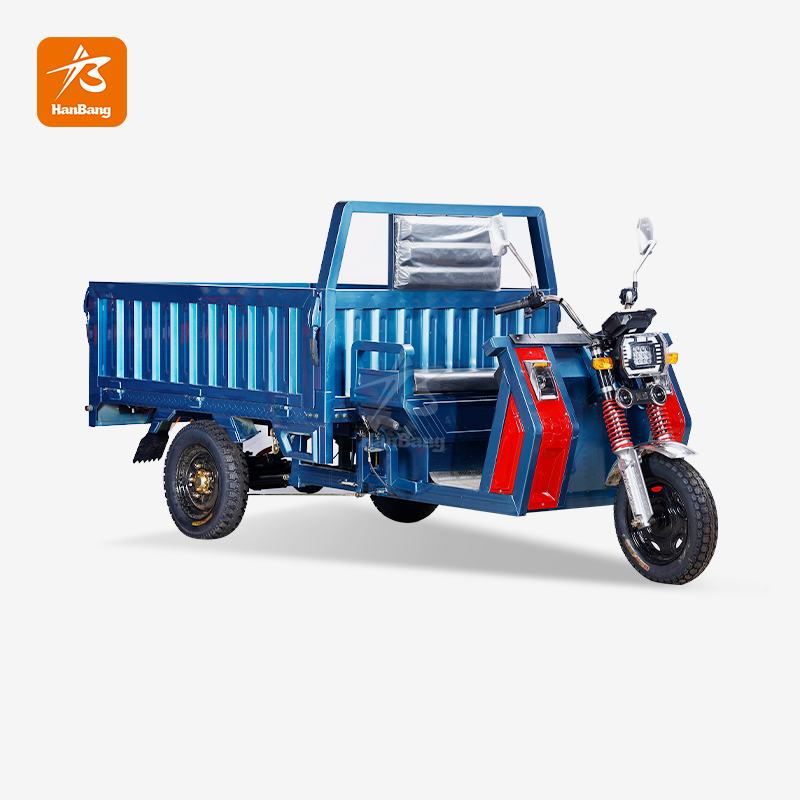
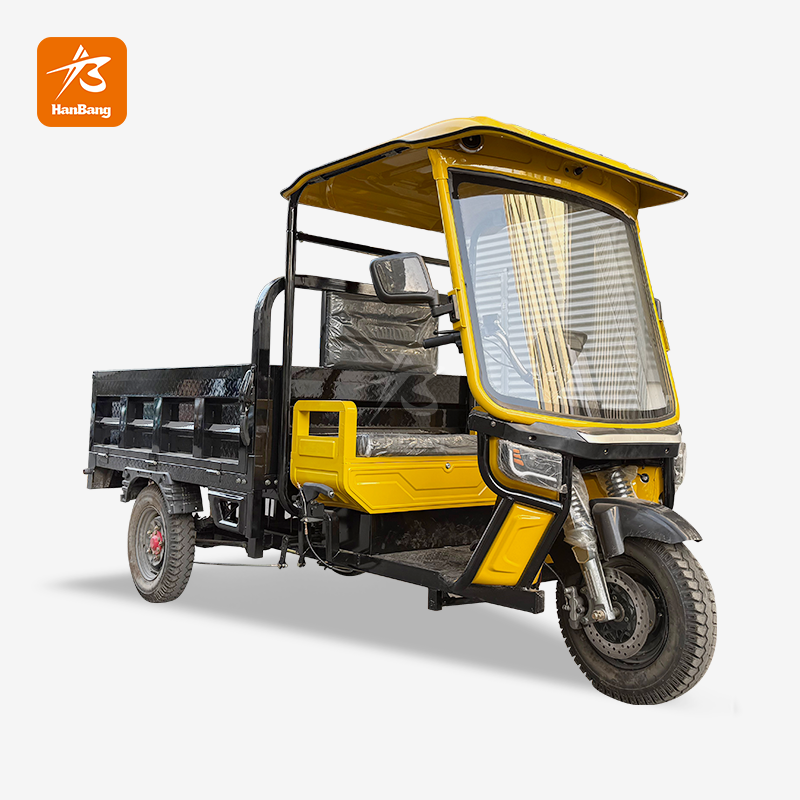
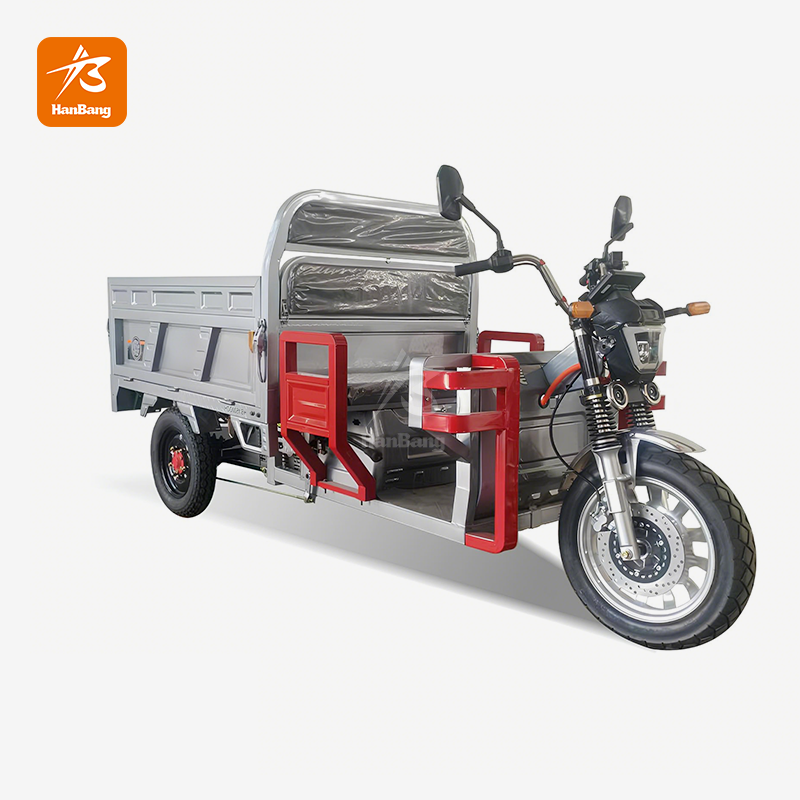
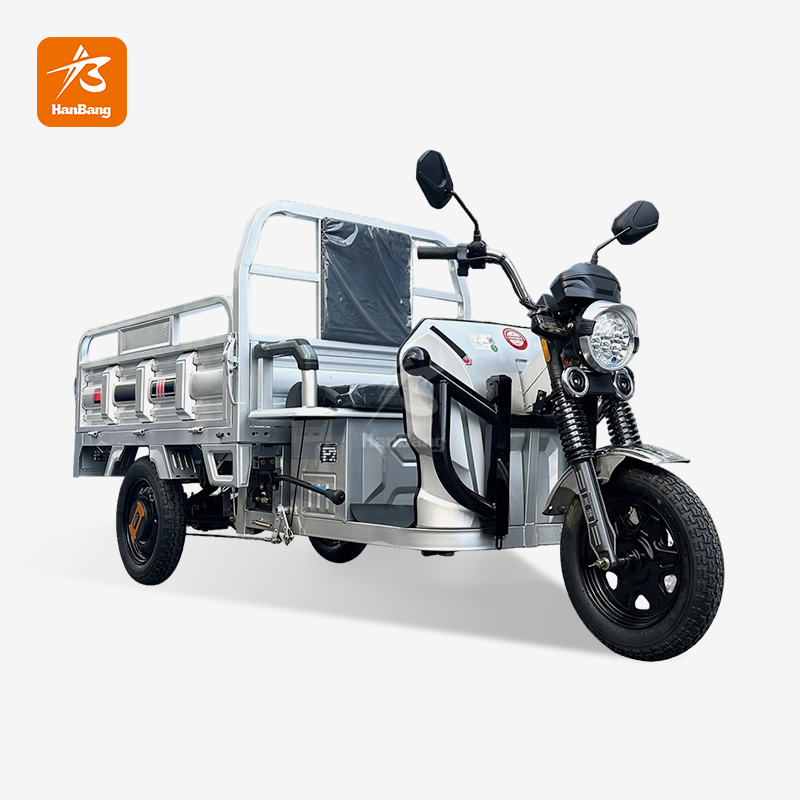
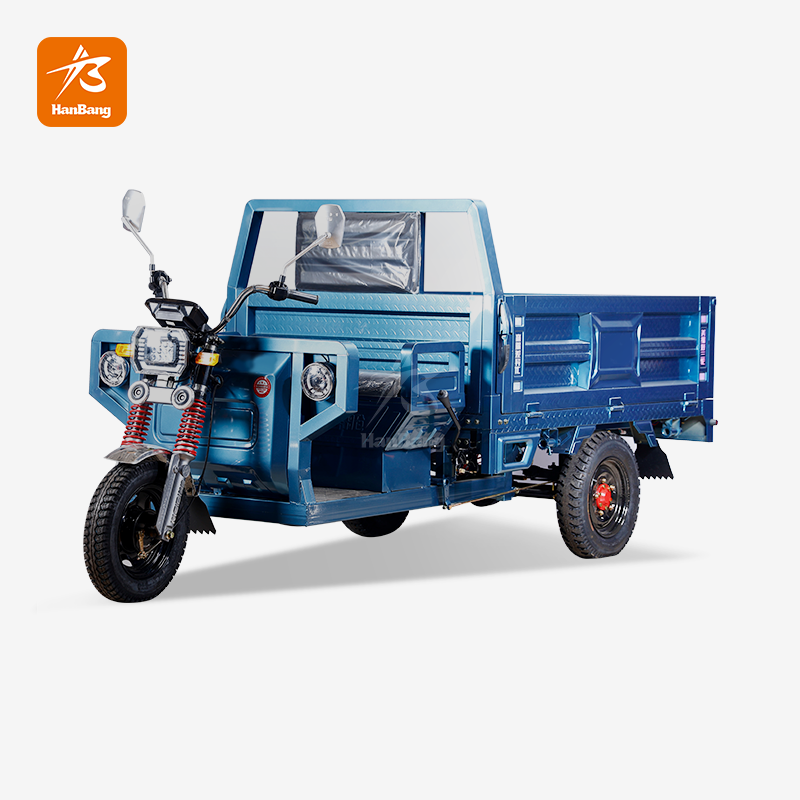
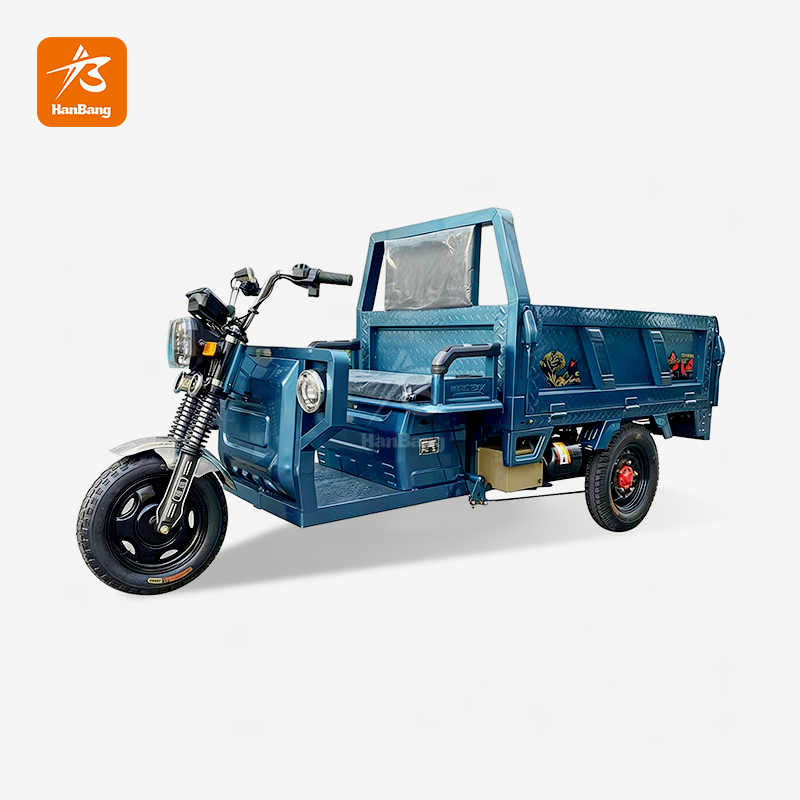
When it comes to eco-friendly city planning and dependable short-distance travel, the Hanbang electric cargo trike stands out as a flexible option designed for modern fleet owners. Because they don't produce any pollution and are built to last, these three-wheeled electric vehicles are changing how businesses do maintenance, delivery, and moving things. Hanbang's EEC ZHANLONG series is reliable in a wide range of terrains and operating needs. It combines efficiency, economy, and environmental responsibility into a single package that is designed to meet the needs of today's businesses.

Understanding the Hanbang Electric Cargo Trike – Specifications and BenefitsRobust Engineering Built for Real-World Operations
Hanbang's electric cargo tricycles use modern battery-electric vehicle (BEV) technology and are categorized as L2e-U utility three-wheelers. The EEC ZHANLONG model has a strong 60/72V 1500W brushless DC motor and a 72V 45Ah battery system, which gives it a useful range of 60 to 70 kilometers per charge. This configuration solves some of the most important problems that fleets face, like long service hours without having to be charged often, enough torque for steep hills and heavy loads, and consistent performance in all kinds of road situations.
The advantage of EEC ZHANLONG is that it can be freely sold to EU countries. The overall size of the vehicle is 3085 mm by 1180 mm by 1400 mm, and it has a large cargo box that measures 1.6 m x 1.1 m and can hold heavy loads without losing its steadiness. Because it has an integrated gear shift rear axle (160mm), it can climb better, which is especially helpful for work in hills or uneven areas. The front and rear drum brakes work well to stop the truck, and the 37-pound external spring shock absorption system keeps the goods safe while it travels over rough terrain.
Tangible Benefits for B2B Operations
For commercial users, these specifications immediately translate into better operations. Compared to gasoline-powered cars, the zero-emission electric engine cuts the total cost of ownership by about 70% because it doesn't need any fuel. Urban logistics companies that work in Zero-Emission Zones can easily get to city areas that are off limits to cars that use internal combustion engines because of rules.
Battery science is a key part of how well things work. The 72V 45Ah system has enough energy density for most delivery routes to run all day, and the Battery Management System (BMS) keeps the battery stable at high temperatures and stops it from overcharging or deep discharging, which shortens its life. Compared to regular engines, they don't need as much maintenance. They don't need oil changes, spark plug replacements, or complicated transmission service.
Zero tailpipe pollution aren't the only thing that helps the environment. Hanbang electric cargo trikes make a lot less noise, so they can be used in private areas early in the morning or late at night without getting complaints from the neighbors. This feature is especially useful for city sanitation offices and food delivery services that need to work during off-peak hours.
Essential Maintenance Practices for Longevity
With regular repair, you can make your car last longer and keep its performance. As part of regular battery care, keep the charge level between 20% and 80% for daily use, do full discharge cycles every three months to reset the BMS, and store cars in temperature-controlled areas whenever possible. Checking the tire pressure every two weeks keeps the tires from wearing unevenly and keeps them running at their best.
The chassis needs to have its weld points and frame integrity checked on a regular basis, especially for groups that are used a lot. Every 3,000 kilometers, the brake drums are adjusted to make sure the stopping distance stays the same. Every six months, the suspension parts are oiled for better performance. These simple steps don't need a lot of technical knowledge, so general maintenance workers can do them instead of trained technicians.
Procurement Guide – How to Buy and Integrate Hanbang Electric Cargo Trikes?
Navigating Purchasing Channels and Global Logistics
Jiangsu Hanbang Vehicle Industry Group provides a variety of ways to buy, each one designed for a specific type of buyer. Ordering directly from the manufacturer is the most cost-effective way to buy things for a big fleet, and orders over 50 units can get discounts. Regional distributors in the Americas, Africa, and Europe keep smaller amounts in stock and help with the registration process in a way that is special to each market.
The company has a well-established export infrastructure that makes it easy to ship goods to almost 50 countries. They provide all the necessary paperwork, such as the Certificate of Conformity (COC), which is needed for car registration and insurance. Help with clearing customs and coordinating freight forwarding speeds up the import process, which cuts down on the delays that happen when makers aren't as experienced.
Pricing Structure and Accessory Options
The base model's price represents the factory-direct method, which provides excellent value for the performance capabilities. Optional add-ons make operations more flexible: extra battery packs let machines keep running by quickly swapping them out when shifts change, weatherproof cargo covers keep fragile shipments safe, and GPS tracking systems let logistics managers see what's going on with the fleet management.
The warranty covers all of the important parts of the engine and has long terms to protect the buyer's investment. The motor and controller come with longer warranties, which shows that the company that made them is confident in the stability of the parts. Battery warranties include guarantees for how long the batteries will last, so replacement schedules can be planned ahead of time and activities can continue as usual.
After-Sales Support and Risk Mitigation
Technical support infrastructure includes customer service teams that speak more than one language and can answer questions about installation, give operating advice, and help with troubleshooting. Each car comes with video tutorials and detailed manuals that make it less reliant on outside service providers during the initial integration phase.
Commonly worn spare parts are included with every car at no extra cost. This makes sure that routine maintenance items like brake shoes and tire patches are always available. This proactive method cuts down on operational downtime caused by delays in ordering parts. This is especially important for businesses that operate in areas with less developed logistics networks.
Practical Insights: Maintenance and Optimizing Performance
Service Protocols for Extended Operational Life
To get the best return on investment for an electric cargo trike, you need to use systematic upkeep methods. Long-term running costs are directly affected by battery health, so charge management is the most important thing to do. Avoiding full discharge cycles during normal operations protects the integrity of the cell's chemistry, and full discharge and recharge cycles on a frequent basis reset the BMS for accurate range estimation.
Electrical connection points should be checked and cleaned every three months so that resistance doesn't build up and make power supply less efficient. Terminals that are prone to corrosion in wet places need to be greased with dielectric grease to keep their conductivity. These easy steps stop mysterious power losses that often stump people who aren't familiar with electric car systems.
If you take good care of them, the frame and suspension parts last a very long time. High-strength steel frame construction keeps structures from wearing out, but stress cracks can be found before they affect the frame's ability to hold weight. An check of the suspension springs can find sagging that changes how the vehicle handles and how stable the cargo is. This lets the springs be replaced before their performance gets so bad that it becomes dangerous.
Safety Protocols and Downtime Prevention
Preventative safety steps keep both the operators and the cargo safe. Before each shift, the brake system is checked to make sure that the stopping distance is always the same. This is especially important when the vehicle is going at its top speed of 45 km/h with all of its goods on board. Measuring the depth of the tread on tires keeps them from hydroplaning in wet situations, and making sure they are properly inflated keeps the handling predictable.
Being aware of thermal management keeps batteries from getting damaged by high temperatures. Working in temperatures below -10°C or above 45°C hurts the battery's performance and shortens its life. In places with extreme weather, fleet managers should keep an eye on the temperature and change charging plans as needed, either by pre-warming batteries in cold places or letting them cool down before charging them in hot places.
Real-World Performance Data
Municipal fleet operators say that the average cost of running these vehicles, which includes fuel, upkeep, and wear and tear, is less than $0.08 per kilometer. This is less than a third of the cost of diesel utility vehicles of the same type. Urban delivery services report 40 to 50 successful delivery stops per charge cycle based on normal city routes. In stop-and-go traffic, regenerative braking increases range.
People who work in agriculture stress how useful it is to be able to operate quietly when moving animals or doing work near homes. The lack of engine noise lowers animal stress and stops neighbors from complaining about noise, which allows for more fluid scheduling without the rules that apply to louder machinery.
Why Hanbang Electric Cargo Trike is the Preferred Choice for B2B Procurement?Addressing Contemporary Market Challenges
Environmental laws are getting stricter all over the world. Many places have put in place Low-Emission Zones (LEZ) and Zero-Emission Zones (ZEZ), which make it harder for fossil fuel vehicles to get in and out of those areas. Electric cargo trikes meet these changing standards right away, so fleet owners don't have to worry about future regulatory obsolescence and penalty costs.
Businesses that use gasoline or diesel cars have to deal with unpredictable operating budgets when fuel prices go up. Electricity prices are much more stable, which lets you make correct plans for your long-term finances. The current difference in price between oil and electricity means that price-sensitive industries like transport services and small-scale distribution operations can directly make more money.
Scalability and Operational Adaptability
Standardized parts and a modular design mindset make it easy to add to the fleet. There is still not much training needed; people who know how to drive regular cars can quickly learn how to ride an electric bike and are usually fully proficient within days instead of weeks. Maintenance workers only need to know the basics of electricity systems in addition to their mechanical skills.
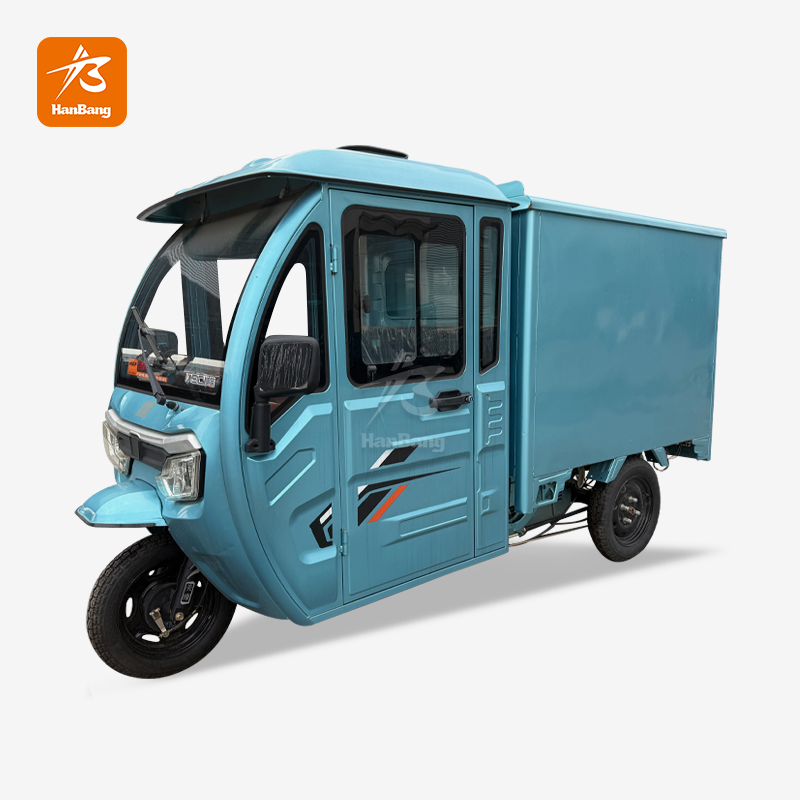
The platform of the electric cargo trike allows for a variety of operational changes that don't affect the core integrity of the car. Food delivery companies put in covered cargo boxes to keep the temperature stable, and city governments put in water tanks for cleaning the streets. This adaptability makes the vehicle useful for more than one department within the company, which increases the rate at which assets are used.
Innovation Pipeline and Future-Ready Technology
Hanbang's dedication to constant improvement shows that it is the market leader in electric mobility options. With almost 200 domestic and foreign patents, the company shows that it is still investing in research and development to improve battery technology, motor efficiency, and structural engineering. This path of progress makes sure that investments in current fleets stay competitive as technology changes and don't become useless.
Hanbang is a key partner for companies that want to get sustainability certifications and meet their carbon reduction goals because it follows global green logistics trends. Using electric fleets can help companies meet environmental reporting standards by reducing emissions. This supports ESG (Environmental, Social, and Governance) goals that customers and stakeholders are asking for more and more.
Conclusion
Electric cargo tricycles represent a practical convergence of economic efficiency, environmental responsibility, and operational capability for modern fleet management. The Hanbang EEC ZHANLONG series delivers proven performance backed by comprehensive certifications, supported by robust manufacturing infrastructure spanning 150,000 square meters of intelligent production facilities. With operational costs reduced by approximately 70% compared to conventional alternatives, unrestricted access to urban emission zones, and minimal maintenance requirements, these vehicles address the core challenges facing logistics operators, municipal services, and commercial transport providers. The combination of 60-70km operational range, substantial cargo capacity, and factory-direct pricing creates a compelling value proposition for businesses seeking sustainable fleet modernization without sacrificing reliability or performance.
FAQ
What operational range can I expect per charge under real-world conditions?
The 72V 45Ah battery system delivers 60-70 kilometers per charge under standard operating conditions with moderate cargo loads. Actual range varies based on factors including payload weight, terrain characteristics, ambient temperature, and driving patterns. Urban delivery routes with frequent stops may achieve the lower end of this range, while rural operations on flatter terrain with steady speeds often exceed 70 kilometers. Regenerative braking in stop-and-go traffic helps extend range in city environments.
How does payload capacity compare to traditional cargo bikes and small vans?
The EEC ZHANLONG cargo box measures 1.6×1.1 meters, accommodating substantially larger and heavier loads than conventional cargo bicycles typically limited to 150kg capacity. While not matching full-size delivery vans, the tricycle's compact footprint enables parking and navigation in congested urban areas inaccessible to larger vehicles, making it ideal for last-mile delivery operations where maneuverability outweighs maximum capacity requirements.
Are authorized dealers available in North American and European markets?
Hanbang maintains an established distribution network across nearly 50 countries, including authorized dealers throughout Europe and expanding presence in North American markets. Regional distributors provide localized support for registration procedures, warranty service, and parts availability.
Partner With a Trusted Hanbang Electric Cargo Trike Manufacturer
Jiangsu Hanbang Vehicle Industry Group stands ready to support your fleet modernization objectives with proven electric mobility solutions. Our EEC-certified cargo tricycles deliver immediate regulatory compliance, dramatic operational cost reductions, and the environmental performance today's markets demand. Whether you operate urban delivery routes, municipal maintenance services, or agricultural transport operations, our engineering team tailors vehicle specifications to your exact requirements. Contact our commercial division at nicole@xzmeidi.com to discuss your specific needs, request detailed technical specifications, or arrange demonstration units for field evaluation. As a leading Hanbang electric cargo trike supplier, we provide comprehensive support from initial specification through ongoing after-sales service, ensuring your investment delivers maximum return across its operational lifespan. Visit hanbangev.com to explore our complete product range and discover how electric cargo tricycles can transform your fleet efficiency.
References
1. Martinez, R., & Thompson, L. (2022). Electric Commercial Vehicles: Implementation Strategies for Urban Logistics. Transportation Research Institute.
2. European Commission Directorate-General for Mobility and Transport. (2021). Regulation (EU) No 168/2013: Type-Approval Requirements for Two- and Three-Wheel Vehicles. Official Journal of the European Union.
3. Chen, W., & Rodriguez, M. (2023). Total Cost of Ownership Analysis: Electric versus Conventional Light Commercial Vehicles. Journal of Sustainable Transportation, 18(4), 287-305.
4. International Energy Agency. (2023). Global EV Outlook 2023: Trends in Electric Light Commercial Vehicles. IEA Publications.
5. Anderson, K. (2022). Battery Management Systems for Commercial Electric Vehicles: Best Practices and Maintenance Protocols. Electric Vehicle Engineering Quarterly, 15(2), 112-128.
6. Urban Freight Lab. (2023). Last-Mile Delivery Solutions: Comparative Performance of Electric Cargo Bicycles and Tricycles in Metropolitan Environments. University of Washington Supply Chain Transportation and Logistics Center.