- English
- French
- German
- Portuguese
- Spanish
- Russian
- Japanese
- Korean
- Arabic
- Greek
- German
- Turkish
- Italian
- Danish
- Romanian
- Indonesian
- Czech
- Afrikaans
- Swedish
- Polish
- Basque
- Catalan
- Esperanto
- Hindi
- Lao
- Albanian
- Amharic
- Armenian
- Azerbaijani
- Belarusian
- Bengali
- Bosnian
- Bulgarian
- Cebuano
- Chichewa
- Corsican
- Croatian
- Dutch
- Estonian
- Filipino
- Finnish
- Frisian
- Galician
- Georgian
- Gujarati
- Haitian
- Hausa
- Hawaiian
- Hebrew
- Hmong
- Hungarian
- Icelandic
- Igbo
- Javanese
- Kannada
- Kazakh
- Khmer
- Kurdish
- Kyrgyz
- Latin
- Latvian
- Lithuanian
- Luxembou..
- Macedonian
- Malagasy
- Malay
- Malayalam
- Maltese
- Maori
- Marathi
- Mongolian
- Burmese
- Nepali
- Norwegian
- Pashto
- Persian
- Punjabi
- Serbian
- Sesotho
- Sinhala
- Slovak
- Slovenian
- Somali
- Samoan
- Scots Gaelic
- Shona
- Sindhi
- Sundanese
- Swahili
- Tajik
- Tamil
- Telugu
- Thai
- Ukrainian
- Urdu
- Uzbek
- Vietnamese
- Welsh
- Xhosa
- Yiddish
- Yoruba
- Zulu
Hot-Selling Electric Cargo Tricycle vs. Local Assembly: Which Wins African Markets?
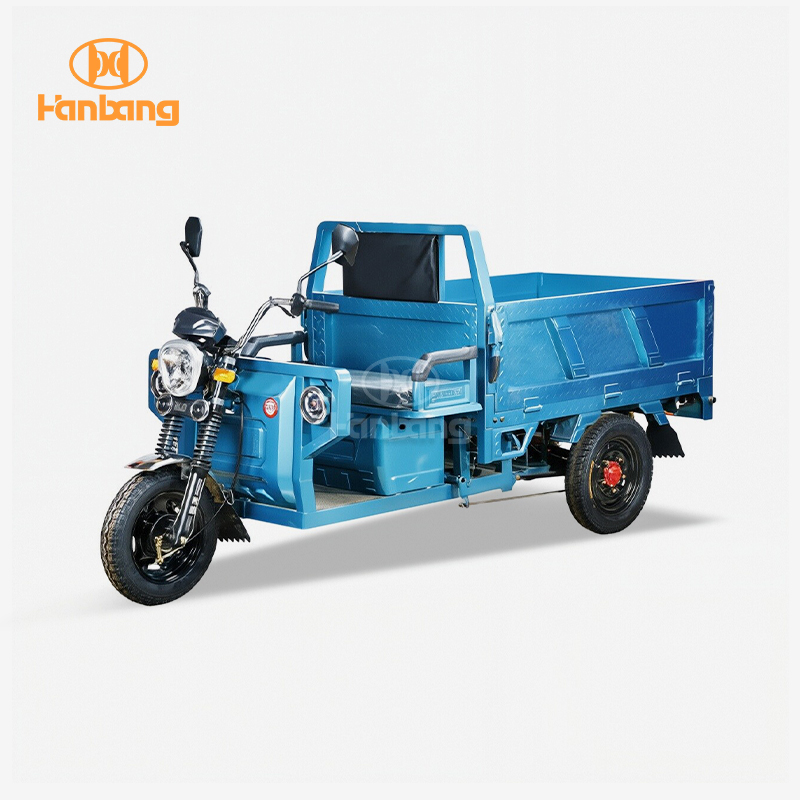
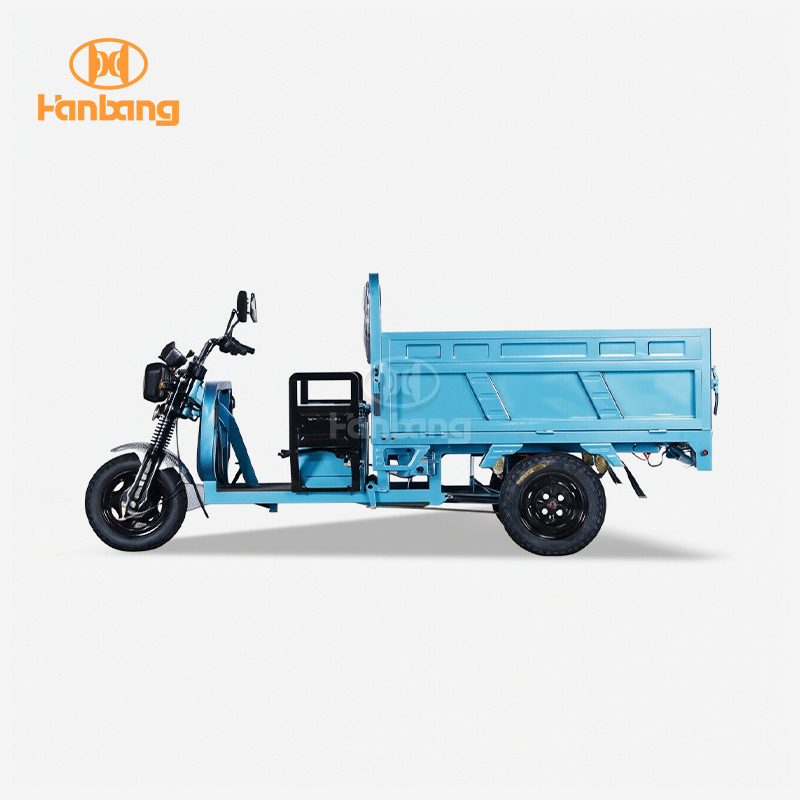
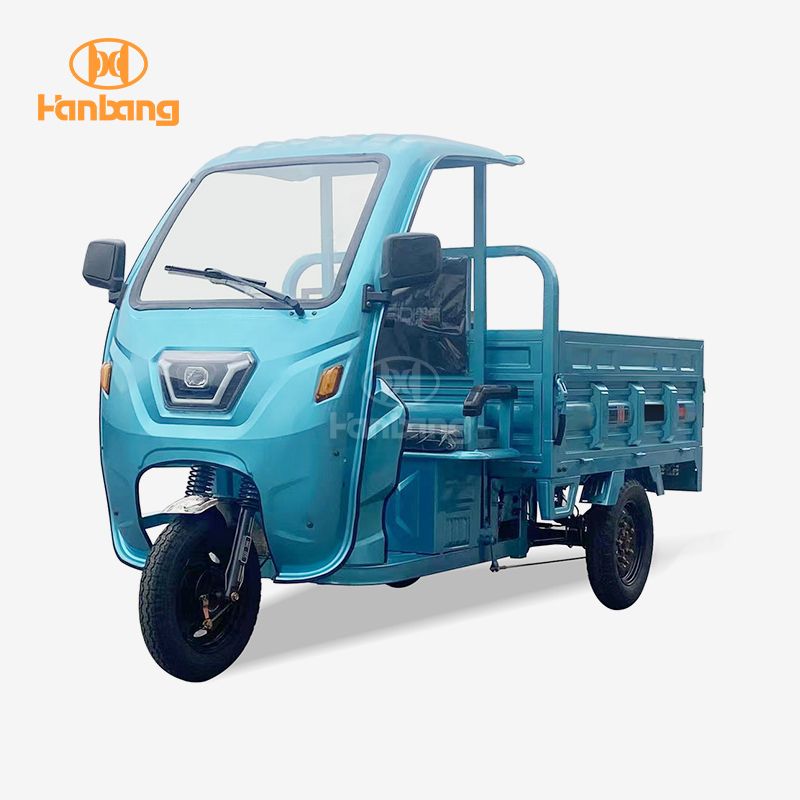
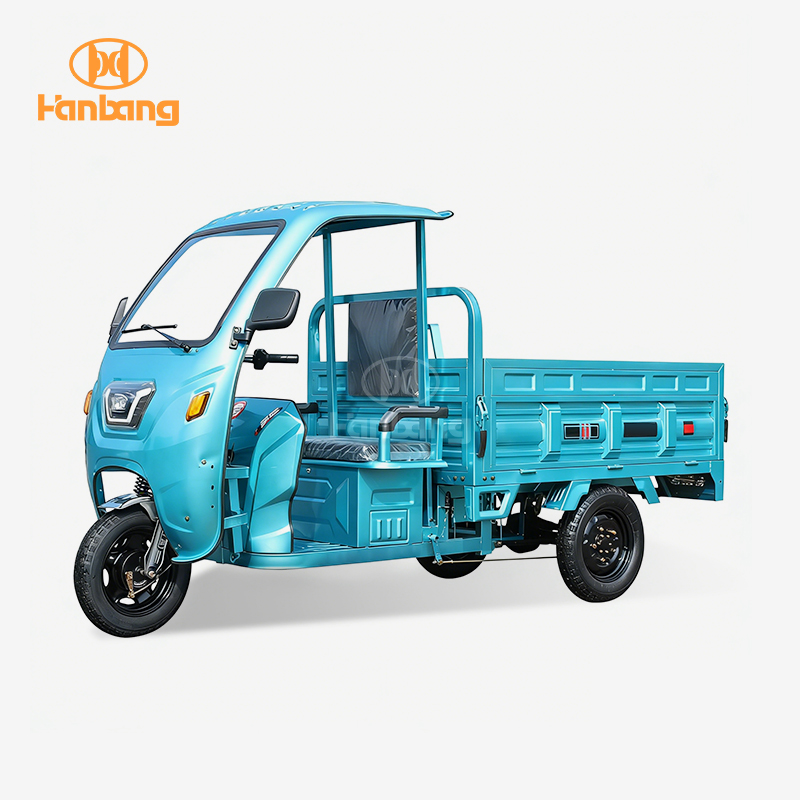
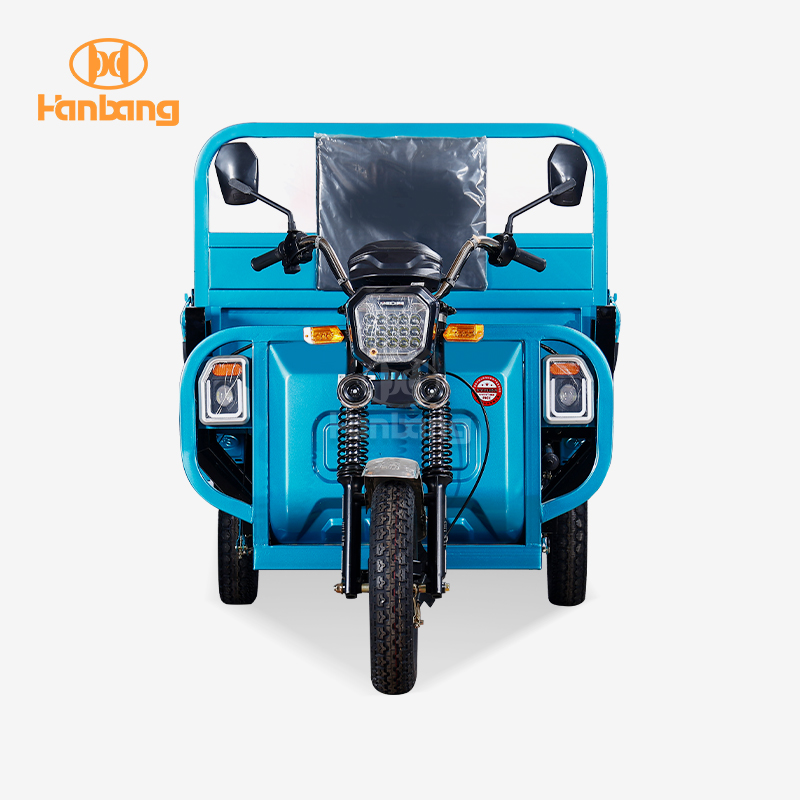
A lot of the time, African buyers ask if you should bring in a popular electric cargo tricycle already put together or start putting them together in Africa right away. The answer is based on workshop skills, duty rules, and output. This article uses Hanbang's hot sale electric cargo tricycle truck to show how the two routes compare in terms of freight, cost, and control.send inquiry

Two Routes to the Same Customer
The Ready-to-Sell Route: Semi-Knocked-Down Kits and a Light Finish
Along this route, the supplier ships semi-knocked-down (SKD) kits, and a small workshop assembles, tests and distributes them. Tools and staffing are still modest, which is helpful for importers who are still trying the market. Hanbang’s product fits here, because one proven model can start selling rapidly while you understand what local riders and loads want.
The Local Assembly Route: Full-Knockdown Kits and a Registered Plant
They are a recognised firm that assembles the tricycle from the pieces that come in the kits. Some governments also lower the duty on kits to motivate individuals to stay in their own land and labour, which might lead to more local value and work. You require skilled labour, fixtures, quality control and a consistent stream of product. So it's better for folks who currently run an assembly line.
Why Both Routes Start with Kits?
Exports never leave the plant as whole cars, so the real choice is between SKD and full-knockdown. Because freight is based on how much room it takes up, goods are shipped in sets. For every container, the LETU can carry 48 SKD or 80 full-knockdown items, the JIEBAO 44 or 60, the ZHANLONG 36 or 55, and the WEIBA 30 or 45. This is an increase of about 36% to 67%.
Where Policy and Economics Tip the Balance?
Duty Gaps That Reward Assembly
One story says that in Kenya, the duty on fully built motorcycles is 25% and on CKD parts it is only 10%. This difference is meant to encourage local production. In the East African Community, rules have changed before, so you should check with customs in your own country about rates and what 'kit' means before making any plans based on them.
Assembly Needs Volume to Pay Off
Because investing in a building is expensive, the production of cars is based on volume. In 2019, motorbike plants in Kenya were only running at about half of their normal rate, and most of the bikes they made were CKD kits instead of SKD kits. Hanbang's hot sale electric cargo tricycle truck in SKD form can be used by a distributor to test the market before building a queue.
Quality Control Moves into Your Hands
When you do local assembly, you are in charge of setting the torque, figuring out the wiring routes, and doing the final testing. If you miss a step, you could be able to make a warranty claim. But the quality of the frames is set earlier, on the welding and painting lines in the factory. As Hanbang does, ask if a provider who has workshops for stamping, welding, painting, and final assembly can give you written drawings and checklists.
Choosing Your Route with a Clear Head
Begin Ready-to-Sell, Then Scale Toward Local Assembly
A tiered path makes it safer. Ship SKDs of a proven model to create a client base and a spare parts inventory. Then go to full knock down kits when the volume per month is sufficient to warrant a dedicated queue and the incentives are clear. This frees up your funds in the beginning and allows your crew to become acclimated to the trike before taking on more.
Matching the Model to the Routes You Serve
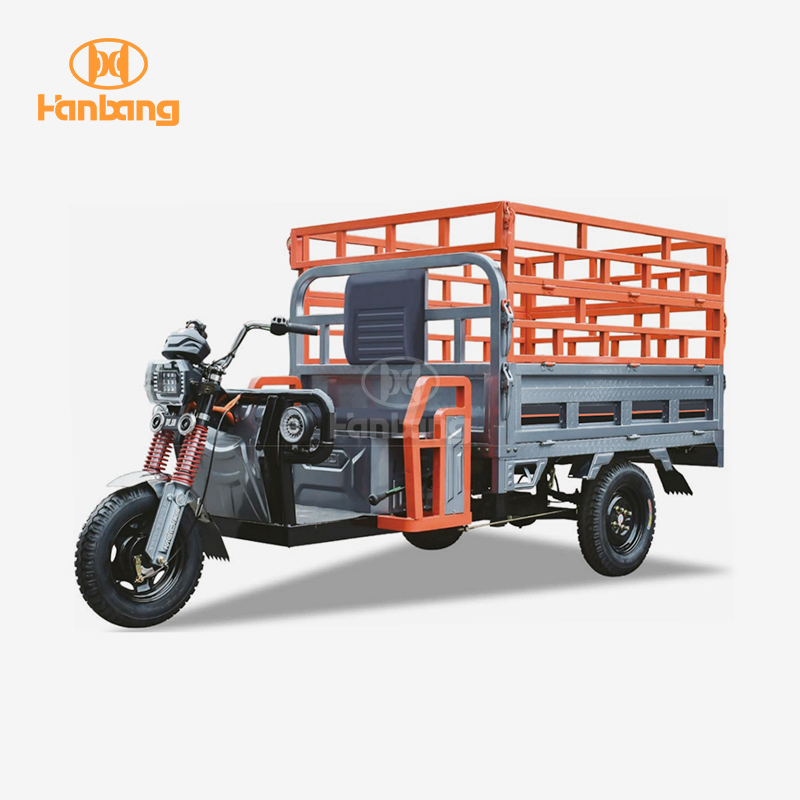
The EEC LETU can travel up to 25 km/h and has a range of 30 to 40 km, which is excellent for city deliveries and short market trips. The ZHANLONG, however, can carry heavier loads, travel longer distances, with a range of 60-70km and a 1500W 72V 45Ah battery. When you increase the number of products, you can begin with the lighter model and then add the heavier one.
Questions to Ask Before You Commit
What levels of kits does the supplier ship? What assembly instructions come with them? How are spare parts handled? Can OEM or ODM changes be made? Ask local customs to check how the kit is classified. Hanbang sells its products in more than 50 countries in Africa, the Americas, Europe, and Southeast Asia. You should ask buyers in similar areas for recommendations.
Conclusion
Neither path wins everywhere and the proper response depends on the country. Ready-to-sell SKD shipments are suitable for importers who require speed and low setup cost, while local assembly benefits from volume, trained workforce and verified duty incentives. Most African distributors are wise to start small, prove demand and only scale up when the numbers make sense. Hanbang's hot sale electric cargo tricycle truck supports both paths through SKD and full-knockdown loading, OEM and ODM options, and a factory that can answer assembly questions directly.
FAQ
What is the difference between SKD and complete knockdown kits?
SKD kits are partially constructed, while full-knockdown kits are separate parts that have to be fully assembled.
Which way is cheaper on goods?
Full knock-down. For example, LETU loads 80 units per container as opposed to 48 in SKD form.
Do African countries incentivise local assembly?
Some do. For example, Kenya has charged lesser duty on CKD parts than on completely constructed motorcycles, but rates change so check locally.
How many JIEBAO units fit in a container?
60 fully knock-down units or 44 partially knock-down units.
Which model suits heavier loads?
The ZHANLONG is powered by a 1500W motor and 72V 45Ah battery, rated for a range of 60-70km.
SKD First or Straight to Local Assembly? Let Hanbang Run the Numbers
Still weighing SKD against local assembly? Share your country, expected monthly volume and workshop capacity with Hanbang, and we will sketch both routes side by side: container mix across LETU, JIEBAO, ZHANLONG or WEIBA, kit level, assembly steps and the documents your customs broker will ask for. Hanbang has exported electric tricycles to nearly 50 countries from a 150,000-square-meter intelligent base with stamping, welding, painting and final assembly workshops, backed by nearly 200 patents and national Class-A electric motorcycle qualification. Want a quick first answer? Tell us which route you lean toward and we will tell you what to prove before you commit, and which questions to put to your customs broker and your local assembly partner. Email nicole@xzmeidi.com or WhatsApp: +86 13115031091 and let Hanbang help you choose the route that fits your market.
References
1. Business Daily Africa. C&G plans manufacture of motorcycles in Kenya. Accessed 2026.
2. The EastAfrican. Cheap, locally assembled motorcycles timed out again. 2017.
3. The New Times (Rwanda). Regional countries urged to maintain 25 per cent tariff on vehicle imports. 2018.
4. People Daily. Assemblers gain as imports of fully-built motorcycles drop. Accessed 2026.
Tell us your requirements – get a tailored quote and technical support within 24 hours.