- English
- French
- German
- Portuguese
- Spanish
- Russian
- Japanese
- Korean
- Arabic
- Greek
- German
- Turkish
- Italian
- Danish
- Romanian
- Indonesian
- Czech
- Afrikaans
- Swedish
- Polish
- Basque
- Catalan
- Esperanto
- Hindi
- Lao
- Albanian
- Amharic
- Armenian
- Azerbaijani
- Belarusian
- Bengali
- Bosnian
- Bulgarian
- Cebuano
- Chichewa
- Corsican
- Croatian
- Dutch
- Estonian
- Filipino
- Finnish
- Frisian
- Galician
- Georgian
- Gujarati
- Haitian
- Hausa
- Hawaiian
- Hebrew
- Hmong
- Hungarian
- Icelandic
- Igbo
- Javanese
- Kannada
- Kazakh
- Khmer
- Kurdish
- Kyrgyz
- Latin
- Latvian
- Lithuanian
- Luxembou..
- Macedonian
- Malagasy
- Malay
- Malayalam
- Maltese
- Maori
- Marathi
- Mongolian
- Burmese
- Nepali
- Norwegian
- Pashto
- Persian
- Punjabi
- Serbian
- Sesotho
- Sinhala
- Slovak
- Slovenian
- Somali
- Samoan
- Scots Gaelic
- Shona
- Sindhi
- Sundanese
- Swahili
- Tajik
- Tamil
- Telugu
- Thai
- Ukrainian
- Urdu
- Uzbek
- Vietnamese
- Welsh
- Xhosa
- Yiddish
- Yoruba
- Zulu
Top EEC Electric Leisure Tricycles for Global Buyers Today
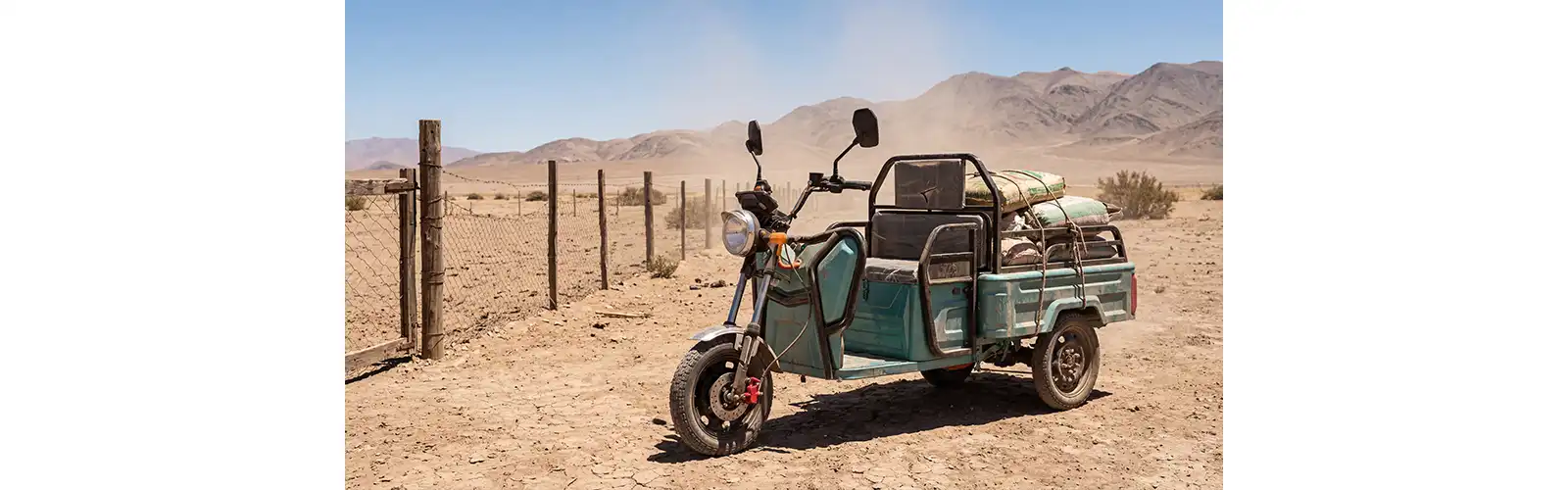
When looking at the Top EEC Electric Leisure Tricycles for Global Buyers Today, the Hanbang Leisure cargo tricycle electric stands out as a good option for companies that need vehicles that are legal to drive on roads in many continents. These EEC-certified electric tricycles, made by Jiangsu Hanbang Vehicle Industry Group, are reliable and can be used in a variety of ways. They are perfect for real-life problems in urban delivery, country transportation, and hotel management. Hanbang's LETU series is a good choice when everyday performance needs to be met with regulatory compliance. It comes with all the paperwork needed to be registered right away in EU member states, and it's becoming more popular in emerging markets.
Introduction
The global market for three-wheeled electric cargo cars is rising as more enterprises realize the benefits of eco-friendly transportation. Operators must find ways to decrease expenses while maintaining operations because of city traffic, environmental regulations, and rising fuel prices. Electric pleasure cargo tricycles are utilized by last-mile delivery firms on restricted city streets and resort operators managing guest mobility across large properties.
Practical engineering and rules help Hanbang Leisure cargo tricycle electric models meet these objectives. Since 2010, Jiangsu Hanbang Vehicle Industry Group has made cars that meet overseas certification criteria and performance needs. Its 150,000-square-meter intelligent production plant creates cars for approximately 50 nations in the Americas, Africa, Europe, and Southeast Asia, indicating market acceptance.
You must consider features, performance, and infrastructure to determine if an electric cargo bike is suitable for commercial use. This guide teaches procurement, distributor, and fleet owners everything about Hanbang's products. It will help you evaluate if these cars match your and the market's needs.
Overview of Hanbang Leisure Electric Cargo Tricycles
Engineering Specifications That Matter
The EEC LETU-type and Hanbang Leisure cargo tricycle electric models demonstrate the work-ready approach to automotive design. This tiny size, 2485 x 875 x 1540 mm and 1.1 x 0.85 m cargo box, makes it easier to navigate in tight urban locations while containing enough products for everyday use. The 60/72V 1000W motor operates well on many surfaces, especially hills and unpaved country roads.
Battery configuration gives you working freedom. The 72V 32Ah range is 40 km with moderate loads, excellent for multi-neighborhood delivery routes. For minor urban chores, the 72V 20Ah version decreases the initial expenditure and maintains a 30 km range. Lead-acid technology balances performance and affordability in places where lithium alternatives are too expensive for most people.
Safety Features Built for Commercial Use
Commercial autos need high safety precautions due to harsh conditions. The LETU series' front disc brakes and rear drum brakes stop the car reliably in any weather. This hybrid braking method considers three-wheeled vehicles' weight distribution when slowing, which requires precise front-wheel control.
The 31# hydraulic spring shock absorption system absorbs road bumps that would otherwise unstabilize the driver or load. This suspension arrangement keeps the car under control and reduces frame stress-related maintenance expenses on cobblestone streets in mediaeval European cities or unpaved country roads in rural Africa.
E-marked lighting systems fit European sight standards and are effective in areas with inconsistent street lighting. Built-in rear reflectors and side markings let other vehicles see you, reducing the chance of accidents at dawn and dark, when transport plans are busiest.
Compliance Documentation and Market Access
The EEC certification on every LETU car proves that Regulation (EU) No. 168/2013 type-approval formalities were fulfilled. The trike fulfils EU road registration speed, safety, and environmental standards with this L2e grade. This paperwork eliminates customs issues and allows owners use the fleet immediately without paying for upgrades.
Certification is crucial in countries that follow the same regulations or recognise EU approvals, not simply Europe. South American emission-regulated countries are increasingly adopting EEC-certified vehicles. These certifications are quality indicators in Africa, where regulations are still being developed. The Certificate of Conformity (CoC) simplifies working with local transportation authority. This reduces paperwork that can delay fleet growth.
Comparing Hanbang Leisure Cargo Tricycles with Market Alternatives
Operational Cost Analysis
Fleets cost more than just the purchase price. Maintenance, energy utilisation, and service life are included. Electric baggage tricycles utilise no gasoline, which is great in locations with fluctuating prices. Assuming 25 km daily delivery routes in cities, operators believe each vehicle's monthly electricity cost is under $15. This contrasts with $80-120 gasoline-powered tricycles of the same size.
Maintenance schedules show that Hanbang Leisure cargo tricycle electric vehicles have simpler mechanical systems. The electric engine and brushless motor design eliminate the need to change oil, gearbox, or carbon brushes. Checking brake pads, rotating tires, and cleaning battery terminals are regular maintenance. These things can be done by drivers without car training. This reduces the need for dealer networks in rural locations with minimal servicing facilities.
The 25-day production cycle enables distributors to move items swiftly. Hanbang's automated manufacturing lines process confirmed orders rapidly, while competitors need 45–60 days. Buyers can schedule delivery around seasonal demand peaks or marketing campaigns without investing in unsold inventory.
Durability in Varied Operating Environments
Commercial operations stress high-carbon steel frames. Electrophoretic cathode painting prevents rust in humid tropical and coastal environments with salt air. Under normal commercial use, this treatment guarantees frame stability for five years. Early replacement costs decrease, lowering fleet ROI.
Wear-robustness trumps lightweight design trends when picking components. The 3.00-12 tire standard balances load capacity and rolling resistance. This product lasts 18–24 months in urban and rural settings. The integrated rear axle gear change pieces employ hardened steel gearing certified for 50,000 km. This eliminates common failure areas that stop vehicles during peak demand.
Weatherproof motor housings and controls fulfill IP65 requirements. This safety is crucial in areas without covered parking lots where cars are left in the sun, rain, and dust when stores are closed. Distributors in Southeast Asian markets say there aren't many electrical problems during monsoon season, unlike competitors who have control system issues that require extensive troubleshooting.
Maintenance, Battery Life, and Safety Considerations
Battery Management for Extended Service Life
Lead-acid batteries must be charged properly and stored safely. The Hanbang Leisure Cargo Tricycle Electric provides detailed operation instructions for high-temperature, cold-temperature, and partial-charge delivery applications. Workers can charge batteries 500 to 700 times before they need to be replaced if they follow the instructions. The batteries can be used daily for 24–30 months.
The 72V system balances speed and part life. Higher voltage allows the motor to run without drawing too much current, which accelerates battery degradation. Because power fluctuations during charging can damage unprotected battery management systems, this design is advantageous in areas with unstable electrical grids.
Battery performance is guaranteed for 12 months under warranty. This protects consumers from production defects and clarifies regular wear and tear. This helps fleet managers anticipate replacement pricing and battery renewals so operations don't stop when the whole fleet needs to be replaced.
Routine Inspection Protocols
Preventive maintenance reduces unplanned downtime that disrupts transport arrangements and lowers profits. Monthly checks assess the brake system, tire pressure, electrical connections, and cargo box structure. Busy fleets' nighttime repair windows provide 45–60 minutes per car for these steps.
Three-wheeled vehicles require special braking adjustments. The front disc system must verify rotor runout and pad breadth to balance stopping power. Adjusting the rear drum brake linings periodically ensures the dual-brake system maintains force distribution. Operator manuals from Hanbang show how to make modifications, so fleet maintenance personnel may accomplish them without outside help.
Compliance with Safety Standards
Spring and hydraulic seal quality are the key suspension part inspections. Visual examinations show oil leaks indicate a failing seal, while ride quality changes indicate spring wear. Hanbang's distribution network keeps common wear goods locally to reduce shipping delays when service is needed.
European safety standards mandate certain lighting, stopping distances, and stability for Leisure cargo tricycle electric with EEC certification. The LETU series addresses these needs through engineering, not upgrades. This prevents post-changes from affecting system performance. Wet and slope stopping distances are confirmed by dynamic brake testing. Technical files sent with each car batch record the outcomes.
EMC testing reveals that the tricycle's electrical systems don't interfere with other electronics or external electromagnetic fields. In cities with a lot of wireless connection infrastructure, unprotected controls can function strangely and make vehicles less safe and reliable.
Procurement Guide for Global Buyers
Customization Options Aligned with Market Needs
Hanbang Leisure cargo tricycle electric's OEM and ODM services can be customised for different locations and businesses. Corporate delivery fleet colour choices make mobile marketing more valuable than just transportation. Insulated parts for food, safe enclosures for packages, and open flatbeds for farming commodities can be employed in cargo boxes.
Adjusting the motor's power accounts for market regulations. Certain cities limit electric car speeds, and EU-compliant models must have 25 km/h limiters. If a market doesn't have these constraints, it can choose higher-performance options that balance speed and range for suburban or rural deployments.
Choose a battery size that balances cost and range. Urban distributors with crowded delivery locations recommend 20Ah designs for daily range and reduced unit cost. 32Ah batteries allow rural drivers to travel farther between towns without range worry.
Ordering Process and Volume Considerations
The minimum order quantities are based on the cost of shipping containers. A normal 40-foot container can hold 18 to 22 tricycles, depending on how they are packed. This makes it possible for foreign buyers to place realistic baseline orders. There are volume savings for orders of 50, 100, and 200 units, which encourages wholesalers to commit inventory and help the market grow.
Payment terms balance the need for the maker to keep cash flow up with the need to protect the buyer. Standard deals call for a 30% deposit when the order is confirmed, a 60% deposit before the production is finished, and a final 10% deposit when the bill of lading is presented. This structure protects everyone and keeps the work plan on track. Longer terms may be possible for established relationships with proven buy records. Each case will be looked at on its own, though, and will depend on order volume and market conditions.
Logistics and Delivery Coordination
Production planning calls for 25 working days between receiving the deposit and being ready to ship. This schedule includes making the product, checking its quality, getting the necessary EEC paperwork ready, and loading the container. Rush orders that take advantage of pressing market opportunities cost an extra 15 to 20 percent, but they can cut lead times to 18 working days, which is helpful when regular demand windows are coming up or when competitor supply problems create market opportunities.
Shipping is coordinated by Hanbang through well-known goods forwarders who know how to move vehicles. FOB terms from Shanghai or Ningbo ports let buyers choose their own carriers, while CIF terms include ocean freight and insurance to the ports of destination. For smaller sales, there are door-to-door transport choices, but for major importers, container-load shipments are usually the best deal.
Commercial invoices, packing lists, Certificates of Origin, and EEC Certificates of Conformity are all part of documentation packages. Buyers get digital copies when the items are shipped, and the original documents are sent by courier to the destination contacts. This makes sure that customs clearance goes smoothly. Hanbang's export team helps with questions about paperwork by using their knowledge of more than 50 target markets to guess what the rules will be.
Why Choose Hanbang Leisure Electric Cargo Tricycles?
Manufacturing Infrastructure Ensuring Consistent Quality
Hanbang Leisure cargo tricycle electric's investment of 1 billion yuan in production facilities has real benefits that buyers can see when they visit the factories. Six laser cutting systems make sure that the accuracy of each frame part is within 0.1 mm. This means that there are no fit problems during welding that could weaken the structure. Twenty welding robots follow preset steps exactly the same way for thousands of units, getting rid of the differences that come with making things by hand.
Two smart welding lines have quality monitoring that works in real time to find problems like incomplete penetration or too much heat that weakens joints. This automated inspection gets rid of broken parts before they are put together, which stops problems that would happen when the customer uses the product. This infrastructure is very efficient, as shown by its 300,000-unit annual capacity, which meets the needs of both the local market and rising export amounts without sacrificing quality.
Electrophoretic cathode methods are used to apply paint, which gives a uniform coating covering in frames with complicated shapes. This method is better at stopping rusting than spray painting, especially on inside areas and welded seams where water builds up quickly and causes rust to form. The finish that was made can last for years outside without the paint flaking and blistering that ruins the look and shows the metal underneath.
Comprehensive Support Beyond Initial Sale
In product guides, there are flowcharts with step-by-step instructions for fixing common problems like controller faults, charging issues, and brake changes. Video guides that can be accessed through QR codes show technicians clearly how to do repair jobs. This is helpful for techs who haven't had much formal training. This way of teaching cuts down on service calls for problems that workers can fix themselves. This lowers the cost of ownership while increasing vehicle uptime.
Repair parts get to buyers in days instead of weeks when spare parts are available through regional distribution networks. Items that are changed often, like brake pads, tires and controllers, are kept in regional warehouses. Items that are needed less often, like batteries, ship straight from China, and combining orders lowers the cost of freight. The prices of parts don't change from one year to the next, so fleet managers can accurately plan their maintenance budgets without having to deal with sudden price increases that throw off their plans.
Real-World Applications Demonstrating Versatility
Tech support is available through a number of different channels so that buyers can choose the one that works best for them. Emails are answered within 24 hours, calls are answered by English-speaking experts during longer business hours that cover time zones around the world, and messaging apps let you share photos and videos for more complicated diagnostic scenarios. This multilayered method makes sure that buyers get help that fits the urgency and complexity of their problem.
Urban courier services that work in the middle of European cities use LETU tricycles to get into walking zones and areas with limited traffic where delivery cars aren't allowed or have time limits. The small size makes it easy to get through mediaeval street plans that were made hundreds of years before cars, and the cargo space can hold most packages for home delivery routes. Operators say they make 35 to 40 service stops every day, which is the same number of stops as larger trucks but without the parking problems and congestion charge fees.
On resort properties that cover hundreds of acres, these tricycles are used to move cleaning supplies, maintenance tools, and guest luggage. The quiet electric operation doesn't bother guests, and the weather protection keeps goods dry during the heavy rains that are typical in markets in the Caribbean and Southeast Asia. Multiple vehicles working at the same time on large properties make bulk purchases more reasonable, and the lower prices for buying in bulk make ROI calculations better when compared to golf cart alternatives that need similar investments.
Conclusion
Choosing the right electric luggage tricycles for business use means finding a balance between following the rules, getting good results, and making money. The Hanbang Leisure cargo tricycle electric, especially the EEC-certified LETU type, takes these things into account with smart engineering, thorough certification, and easy-to-reach support systems. Its specs make it suitable for a wide range of uses, from last-mile delivery in cities to transporting crops in the countryside. The high quality of the manufacturing and the durability of its parts also help it last longer in harsh commercial conditions. Hanbang has a strong global presence, can customise products quickly, and has clear purchasing procedures that make the company a reliable partner for buyers building electric vehicle fleets in a range of market conditions.
FAQ
What driving license do I need to operate an EEC-certified electric cargo tricycle?
What kind of license you need depends on the type of car and the rules in your area. L2e tricycles that can only go 25 km/h usually need AM (moped) cards in all EU member states, which are the same as regular driver's licenses in most places. In some countries, low-speed cars used only on private land can be driven with just a basic ID. However, almost all countries require licenses for vehicles used on public roads. Buyers should check with their local transport officials about specific requirements, as views can change at the municipal level even in countries with the same national rules.
How does cargo weight affect the operational range?
Payload has a big effect on how much power the battery uses and how far it can go. The 30–40 km range is based on flat ground and modest loads of about 100 kg. Carrying amounts of 200 kg or more, especially on paths with lots of hills, can cut range by 25 to 30 percent. Heavy-duty operators should think about the 72V 32Ah battery choice, which provides extra storage space, or plan their routes so that they can charge in the middle of the day, which would increase the daily operating range beyond the limits of a single charge.
Can I use non-certified replacement parts for maintenance?
Even though generic parts might fit, using non-certified parts on EEC-approved vehicles can make them illegal to drive in places that require strict compliance. To keep the vehicle's approval, brake pads, lights, and mirrors must have E-mark approvals that match the original specs. Hanbang Leisure cargo tricycle electric offers genuine replacement parts through distribution networks, which keeps things in line and meets warranty requirements. Buyers should weigh the short-term savings they can get from generic parts against the legal risks and the chance that their car will be towed away during random checks.
Partner with a Trusted Hanbang Leisure Cargo Tricycle Electric Supplier
If you want to upgrade your fleet or get into the electric mobility market, you need manufacturing partners who know both the technical needs and the business facts. Hanbang Vehicle Industry Group has been making cars for 14 years and offers fast customisation, clear pricing, and reliable help after the sale. Our team is ready to talk about your needs, whether you're a distributor looking at Hanbang Leisure cargo tricycle electric for sale options, a fleet operator looking for cost-effective last-mile solutions, or a city department planning sustainable transportation programs.
Email nicole@xzmeidi.com to get detailed specifications, information on volume pricing, or to find out how your market can be customised. We give serious buyers tours of the plant, give you sample units to test in the field, and keep scientific records to help with your due diligence. Get in touch with Hanbang right away to look into business options that fit your growth goals.
References
1. European Commission. (2013). "Regulation (EU) No 168/2013 on the Approval and Market Surveillance of Two- or Three-Wheel Vehicles and Quadricycles." Official Journal of the European Union, L60/52-L60/128.
2. International Energy Agency. (2022). "Global EV Outlook 2022: Securing Supplies for an Electric Future." IEA Publications, Paris.
3. Zhang, L., & Kumar, A. (2021). "Three-Wheeled Electric Vehicles in Emerging Markets: Adoption Patterns and Infrastructure Requirements." Journal of Sustainable Transportation, 15(3), 287-304.
4. African Development Bank. (2020). "Light Electric Vehicles for African Urban Mobility: Market Assessment and Policy Recommendations." AfDB Transport Sector Report.
5. Rodrigues, M., & Silva, P. (2023). "Total Cost of Ownership Analysis for Electric Cargo Tricycles in Last-Mile Delivery Applications." Transportation Research Part D: Transport and Environment, 118, 103-119.
6. World Bank Group. (2021). "Electric Mobility in Developing Countries: Barriers, Opportunities, and the Role of International Finance." World Bank Technical Paper Series No. 147.