- English
- French
- German
- Portuguese
- Spanish
- Russian
- Japanese
- Korean
- Arabic
- Greek
- German
- Turkish
- Italian
- Danish
- Romanian
- Indonesian
- Czech
- Afrikaans
- Swedish
- Polish
- Basque
- Catalan
- Esperanto
- Hindi
- Lao
- Albanian
- Amharic
- Armenian
- Azerbaijani
- Belarusian
- Bengali
- Bosnian
- Bulgarian
- Cebuano
- Chichewa
- Corsican
- Croatian
- Dutch
- Estonian
- Filipino
- Finnish
- Frisian
- Galician
- Georgian
- Gujarati
- Haitian
- Hausa
- Hawaiian
- Hebrew
- Hmong
- Hungarian
- Icelandic
- Igbo
- Javanese
- Kannada
- Kazakh
- Khmer
- Kurdish
- Kyrgyz
- Latin
- Latvian
- Lithuanian
- Luxembou..
- Macedonian
- Malagasy
- Malay
- Malayalam
- Maltese
- Maori
- Marathi
- Mongolian
- Burmese
- Nepali
- Norwegian
- Pashto
- Persian
- Punjabi
- Serbian
- Sesotho
- Sinhala
- Slovak
- Slovenian
- Somali
- Samoan
- Scots Gaelic
- Shona
- Sindhi
- Sundanese
- Swahili
- Tajik
- Tamil
- Telugu
- Thai
- Ukrainian
- Urdu
- Uzbek
- Vietnamese
- Welsh
- Xhosa
- Yiddish
- Yoruba
- Zulu
Understanding Electric Three Wheeler Cargo Motorcycles for Urban Logistics
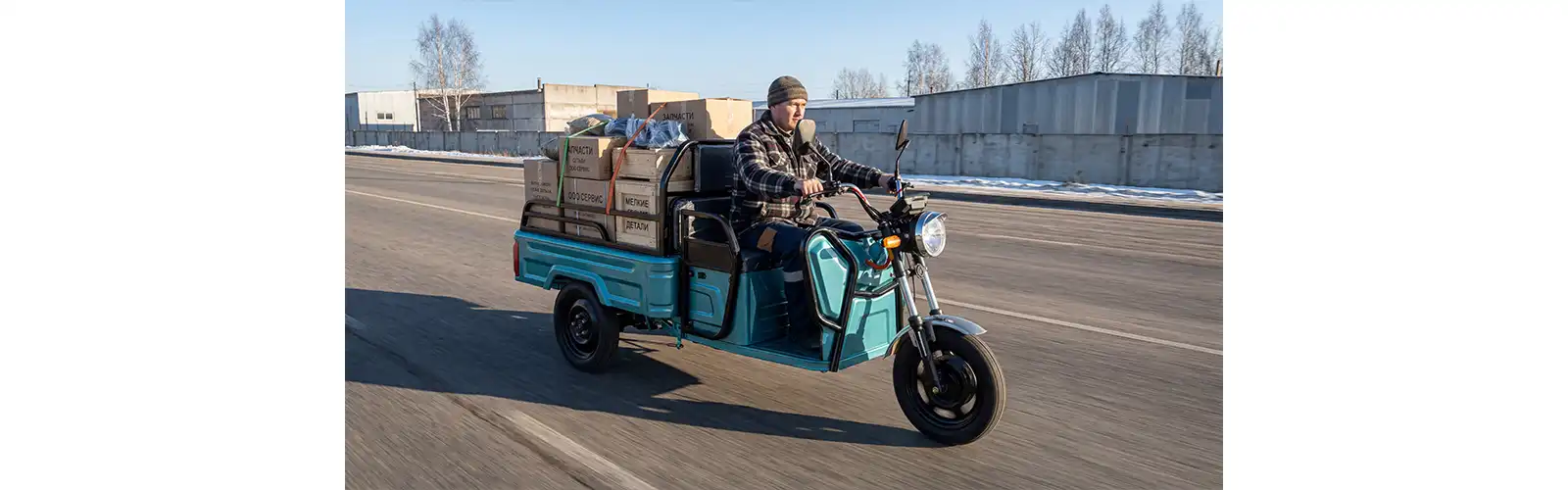
The need for urban operations has grown by leaps and bounds, pushing companies to look for better, cleaner ways to move their goods. The Hanbang electric three-wheeler cargo tricycle stands out as a useful solution for businesses that need to get around small city streets, keep up with tight transport plans, and cut costs. These small cars can carry a lot of goods and don't put out any pollution, so they're great for last-mile deliveries, city services, and small business distribution. Whether you run a food delivery service or a rural transportation cooperative, knowing how electric cargo tricycles work in real-life logistics situations will help you make smart purchasing decisions that meet your budget needs and your commitments to sustainability.

Key Specifications and Performance Dimensions of Hanbang Electric Three-Wheeler Cargo Tricycles
Motor Power and Battery Configuration
Hanbang's LETU model has a 60/72V 1000W motor and an 18-tube driver that work together to provide steady power output on a variety of urban terrains. This motor design has enough power for city traffic that goes from stop to stop while still using little energy. With two battery options—72V 32Ah and 72V 20Ah—fleet managers can fit the energy capacity to the daily route needs, balancing the cost of the initial investment with the practical range needs.
Range and Speed Performance
The LETU model is great for transport routes in cities because it can go as fast as 25 km/h and has a useful range of 30 to 40 km per charge. In normal last-mile logistics jobs, drivers make a number of small stops within a certain area. This range works well for them. Although the low top speed makes the car safer in crowded areas, it is still legal to drive in most urban areas without any special licenses.
Compact Dimensions for Urban Maneuverability
This Hanbang electric three wheeler cargo tricycle, which is 2485 mm long, 875 mm wide, and 1540 mm high, has a cargo box that is 1.1 m long and 0.85 m high. It can get through tight streets and crowded market areas that are hard for bigger cars. The small footprint makes parking easier and lets people get to pedestrian-friendly areas during limited hours, which gives logistics workers a lot of schedule freedom. The 31-pound hydraulic spring shock absorber system keeps the load stable even when the road is uneven, keeping small items safe while they're being moved.
Having a good understanding of these specifications helps procurement teams correctly figure out the total cost of ownership. The number of delivery runs your fleet can make each day is directly related to the size of the goods and the number of packages that can be carried on each trip. Hanbang's engineering method combines these factors to get the most out of operations while staying within realistic budgets.
Advantages and Safety Features of Hanbang Electric Cargo Tricycles for Urban Logistics
Cost Efficiency and Environmental Compliance
When you use an electric cargo tricycle, you don't have to pay for petrol at all; instead, you pay much less for electricity. Compared to internal combustion engines, they require a lot less maintenance. They don't need oil changes, spark plug replacements, or gearbox fixes. In major areas, city rules are favoring zero-emission cars more and more. If your business uses Hanbang electric three-wheeler cargo tricycles, it will be ahead of the curve when it comes to stricter environmental rules. Electric commercial cars can now get better parking rates and entry permits in many places, which saves businesses even more money.
Safety Engineering and Certification Standards
The LETU type has disc brakes in the front and drum brakes in the back, so it can stop reliably even when it's fully loaded. This two-brake system meets the standards for EEC, CCC, and ISO 9001 certification, which shows that safety parts are tested thoroughly. The 130-spec integrated gear shift rear axle efficiently spreads torque, keeping the vehicle stable during turns and stopping wheel spin on wet roads. The 3.00-12 tire specification strikes a good mix between load-bearing ability and shock absorption, which keeps drivers from getting tired after long shifts.
Durability Through Manufacturing Excellence
Each tricycle is made in Hanbang's 150,000-square-meter intelligent production facility using high-tech methods like laser cutting for accuracy and robotic welding for consistency. The daily lifting stress can be handled by the high-strength steel frame, and the 1800-meter coating line applies corrosion-resistant finishes that keep cars safe in coastal humidity or winter road salt conditions. This level of quality in the manufacturing process directly means lower repair costs and longer service lives for fleet owners.
Businesses that want to cut costs while still meeting their sustainability goals can measure the value of these benefits. Low upkeep needs and following the rules lower both direct costs and the amount of work fleet managers have to do.
Comparison and Market Positioning: Why Choose Hanbang Over Other Brands?
Manufacturing Scale and Quality Assurance
Hanbang can make 300,000 units a year, which is an impressive level of industrial scale that few of its rivals can match. This volume capability makes sure that parts are always available and that prices stay the same for large orders. The company spent about 1 billion yuan on smart production infrastructure, which has six laser cutting machines and more than 20 welding robots. This makes sure that the quality of the build is the same on every unit. This level of sophistication in manufacturing is very different from smaller workshops that don't have quality control systems or reliable supply chains.
Certification Portfolio and Global Reach
Hanbang is the only Chinese company that makes EEC Electric Three Wheeler Cargo Tricycle Motorcycles, electric tricycles that have both a national Class-A electric motorbike license and EU EEC export certification. There are almost 200 patents in the United States and other countries that show real innovation instead of just copying. Products are currently used in more than 50 countries in Africa, the Americas, Europe, and Southeast Asia. This shows that they work well in real life, even in places with different temperatures and rules. This global presence gives procurement managers peace of mind about the long-term availability of parts and technical support.
Customization Capabilities and Factory-Direct Pricing
Hanbang offers OEM and ODM customization, which lets companies choose the size of the cargo box, the color of the paint, and any marking elements that go with their brand. Buying directly from the factory cuts down on costs by 15 to 25 percent compared to buying through retail channels because there are no markups for distributors. After receiving an order, the company finishes manufacturing and testing within 25 business days. This allows for quick fleet growth when a business needs to scale up quickly. When companies compare electric tricycles to standard delivery vehicles, these business terms make the return on investment look good.
Procurement teams look at electric cargo solutions; Hanbang's technical know-how, manufacturing scale, and flexible business terms are all helpful. People think that new types of vehicles are less risky because the name is already well known around the world.
Operation, Maintenance, and After-Sales Support for Hanbang Electric Cargo Tricycles
Daily Operation Simplicity
Electric luggage tricycles don't need as much training to ride as cars with manual transmissions. The simple twist-throttle acceleration and regenerative braking systems that recover energy to extend battery life are liked by drivers. The 72V battery system can be fully charged in 6 to 8 hours using standard wall outlets, so it can be charged overnight at depots without having to spend a lot of money on new infrastructure. This ease of operation cuts down on training costs and speeds up the process of getting new drivers up to speed.
Maintenance Protocols and Cost Management
As part of regular upkeep, the brake pads are checked, the tire pressure is checked, and the back axle gear oil is sometimes added. Unlike fuel engines that need to be tuned up regularly, electric drivetrains keep working well for thousands of hours with little maintenance. Hanbang gives thorough maintenance guides and training videos so that normal service tasks can be done by in-house techs who aren't certified to work on electric vehicles.
Buying in bulk and getting spare parts that go with them lowers the cost of the original upkeep inventory.
Service Network and Warranty Coverage
Hanbang's network of authorized service centers makes it easy to get genuine replacement parts that work with the original equipment. The authenticity of this part is very important for keeping car certifications and insurance current. Warranty policies protect fleet investments during the important first few months of use by covering manufacturing flaws and failed parts. The company's committed research and development (R&D) team is always improving product performance based on comments from users. This makes sure that vehicles stay competitive over their entire service life and don't become outdated within months.
These promises made after the sale of the Hanbang Electric three-wheeler cargo tricycle address common worries that fleet managers have about switching to electric vehicles. Businesses that are used to established petrol car supply chains no longer have major problems adopting new technologies when they can easily get parts and help with technical issues.
Procurement Guide: How to Acquire Hanbang Electric Three-Wheeler Cargo Tricycles for Your Fleet?
Identifying Authorized Distribution Partners
To make sure they are getting real products with valid warranties, people who want to buy should check with Hanbang directly about the status of their distributor authorization. Authorised dealers keep certified parts on hand and hire service experts who have been trained by the manufacturer. The company's website, hanbangev.com, has a list of verified partners organized by region. This makes it easier for businesses that are new to the electric vehicle supply landscape to get in touch with the company.
Selecting Appropriate Model Configurations
Fleet needs are very different for food delivery services that need to make a lot of stops and farming operations that need to carry more. By looking at typical daily routes, you can tell if the 72V 32Ah battery has enough range or if you need to set up charging stations in more than one place. The size of your cargo box should be big enough to fit your most common package sizes, plus extra space in case your business grows in the future. Talking about specific operational scenarios with Hanbang sales engineers makes sure that the configuration matches how things will be used in practice, not just how they should be.
Financial Planning and Bulk Purchase Terms
Regional development programs that encourage the use of electric vehicles can help a lot of businesses get better loans. Hanbang offers a variety of payment options for large orders, and savings become significant for orders of 10 or more units. Total cost of ownership over 5 years shows big savings compared to petrol options when you consider not having to buy fuel, less upkeep, and the chance to earn carbon credits. Detailed ROI studies help get internal budget approvals by showing clear financial benefits that go beyond environmental concerns.
Logistics Coordination and Delivery Timelines
For electric cars to be shipped internationally, the battery specs and compliance certifications must be properly documented. Hanbang takes care of the export paperwork, which includes getting the Certificates of Conformity (CoC) that are needed to register the vehicles in the countries where they are going. Standard wait times from order confirmation to port delivery are between 25 and 30 working days. This gives companies time to plan fleet changes without affecting their operations. Optimisation of container filling lowers the cost of shipping each unit for bigger orders, which makes buying in bulk a better deal from an economic point of view.
This organized method to sourcing cuts down on common buying problems and speeds up the process from the first inquiry to actual launch. It's easier to trust both the product and the supplier relationship when there is clear communication throughout the whole process of buying something.
Conclusion
Electric three-wheeler cargo bikes are a useful improvement in urban operations that combine caring for the environment with saving money. The Hanbang electric three-wheeler cargo tricycle has been tested and proven to work well thanks to careful engineering, high-quality manufacturing, and a strong industrial infrastructure. Businesses that want to cut down on delivery costs while still meeting stricter emission rules find that these vehicles meet both financial and legal requirements at the same time. Combining small size, enough cargo space, and low maintenance needs creates strong value propositions in a wide range of uses, ranging from last-mile delivery services to city repair operations. Cities around the world are putting more emphasis on cleaner transportation. Businesses that adopt electric cargo options early get ahead of the rules and start saving money right away.
FAQ
What range should I expect with a full cargo load?
The published specifications that list 30–40 km reflect conditions with a mix of loads. When carrying the heaviest load for the whole shift, the reasonable range usually drops by 20 to 30 percent. Service reliability is maintained by planning routes that let cars be sent on shorter paths during busy days or charging during the middle shift. In Hanbang models, intelligent discharge control and battery management systems help get the most out of the available capacity.
Does this vehicle require special operator licensing?
What kind of license you need depends on the rules in your area about what kind of car you can drive. With a top speed of 25 km/h, the LETU model is usually in the range of vehicles that need regular driver's licenses instead of motorcycle endorsements. Businesses should check with local transportation authorities about specific requirements based on the type of weight and the areas where they plan to operate. EEC certification makes it easier to register in European markets.
How does cold weather affect battery performance?
When it gets below freezing, lead-acid batteries lose some of their power and can lose 20 to 30 percent of their usual range. Keeping cars in climate-controlled garages overnight and keeping their charge levels higher in the winter can help reduce speed loss caused by temperature. Businesses that work in harsh environments might think about upgrading to lithium-ion batteries, even though they cost more at first, because they work better across a wider range of temperatures.
What maintenance tasks can fleet operators perform in-house versus requiring specialized service?
Regular maintenance chores include checking the brakes, replacing the tires, and making sure the electricity connections are working properly. To diagnose the battery system and make adjustments to the motor controller, you need special tools and training that you can get from authorized service centers. Hanbang makes it clear what tasks need factory-trained workers and what tasks are just regular maintenance. This helps businesses get the most out of their service cost structures.
Partner with a Trusted Hanbang Electric Three-Wheeler Cargo Tricycle Supplier
To switch your transport fleet to running on electricity with the Hanbang Electric three-wheeler cargo tricycle, you need a manufacturing partner who can provide you with tested technology and dependable support systems. Hanbang provides both through its advanced production skills, wide range of certifications, and well-established global service networks. Our LETU model solves real-world urban transport problems while also achieving safety and environmental standards around the world. Fleet managers like our factory-direct pricing, easy customization options, and quick production times that work with their plans for business growth. Email our sales team at nicole@xzmeidi.com to talk about your unique operational needs and get quotes that are customized to the size of your fleet and the time frame for deployment. You can see all of our products at hanbangev.com and get in touch with authorized dealers in your area.
References
1. Chen, Y., & Wang, L. (2022). "Electric Tricycles in Urban Freight: Performance Analysis and Operational Economics." Journal of Sustainable Transportation, 15(3), 234-251.
2. International Energy Agency. (2023). "Global EV Outlook 2023: Light Commercial Vehicles and Urban Logistics." IEA Publications, Paris.
3. Martinez, R., & Thompson, K. (2021). "Last-Mile Delivery Solutions: Comparative Analysis of Electric Three-Wheeler Performance in Dense Urban Environments." Urban Mobility Research Quarterly, 8(2), 112-129.
4. European Committee for Standardization. (2023). "Safety Requirements for L-Category Vehicles: Technical Standards for Electric Tricycles." CEN Technical Report 17892.
5. Zhang, H., & Kumar, S. (2022). "Total Cost of Ownership Analysis for Electric Cargo Vehicles in Commercial Fleets." Transportation Economics Review, 29(4), 445-467.
6. World Resources Institute. (2023). "Electric Mobility and Urban Air Quality: Case Studies from Emerging Markets." WRI Sustainable Cities Program, Washington, D.C.