- English
- French
- German
- Portuguese
- Spanish
- Russian
- Japanese
- Korean
- Arabic
- Greek
- German
- Turkish
- Italian
- Danish
- Romanian
- Indonesian
- Czech
- Afrikaans
- Swedish
- Polish
- Basque
- Catalan
- Esperanto
- Hindi
- Lao
- Albanian
- Amharic
- Armenian
- Azerbaijani
- Belarusian
- Bengali
- Bosnian
- Bulgarian
- Cebuano
- Chichewa
- Corsican
- Croatian
- Dutch
- Estonian
- Filipino
- Finnish
- Frisian
- Galician
- Georgian
- Gujarati
- Haitian
- Hausa
- Hawaiian
- Hebrew
- Hmong
- Hungarian
- Icelandic
- Igbo
- Javanese
- Kannada
- Kazakh
- Khmer
- Kurdish
- Kyrgyz
- Latin
- Latvian
- Lithuanian
- Luxembou..
- Macedonian
- Malagasy
- Malay
- Malayalam
- Maltese
- Maori
- Marathi
- Mongolian
- Burmese
- Nepali
- Norwegian
- Pashto
- Persian
- Punjabi
- Serbian
- Sesotho
- Sinhala
- Slovak
- Slovenian
- Somali
- Samoan
- Scots Gaelic
- Shona
- Sindhi
- Sundanese
- Swahili
- Tajik
- Tamil
- Telugu
- Thai
- Ukrainian
- Urdu
- Uzbek
- Vietnamese
- Welsh
- Xhosa
- Yiddish
- Yoruba
- Zulu
EEC Electric Cargo Tricycle: Revolutionizing Urban Delivery
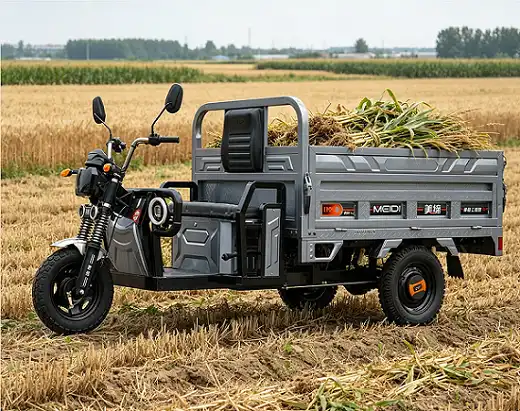
Congestion, rising fuel costs, and stricter environmental rules are all putting more stress on urban transport networks. The Hanbang electric cargo tricycle stands out as a useful answer to the transportation problems of today. This three-wheeled vehicle, which was designed by the Jiangsu Hanbang Vehicle Industry Group, combines strong performance with low running costs, giving businesses a real way to move toward more environmentally friendly transportation. The WEIBA170 model has a 60/72V 1500W motor, a 72V 58Ah battery system, and a range of 70–80 km per charge. These specs are meant to meet the strict needs of business delivery operations while cutting costs by up to 60% compared to traditional fuel-powered vehicles.
Understanding the EEC Electric Cargo Tricycle: Specifications and Benefits
Core Technical Specifications of WEIBA170
The WEIBA170 is an example of engineering that was made to be reliable and efficient. Its powertrain is made up of a high-torque 1500W motor and a Big 24 Tube controller, which ensures constant performance on a variety of urban conditions. The 72V 58Ah lead-acid battery system stores energy reliably and charges in a reliable way. The 3200mm x 1380mm x 1680mm measures of the vehicle allow for a large 1.7m x 1.3m cargo box, providing 2.21 square meters of room for loading. The rear axle with an integrated gear shift 180 makes power transfer smooth, and the front and back drum brakes stop the vehicle well even when it's loaded. Road bumps are handled by external spring shock absorption (43# standard), and the tires (4.00-12 front, 4.50-12 rear) are the right size to balance steadiness with agility. The top speed is 35 km/h, which is in line with the rules for traffic flow in cities in many places.
Operational Cost Advantages
Fleet managers and business owners are very worried about their operating costs. With electric power, you don't have to buy fuel, change the oil, or take care of the exhaust system. In the United States, electricity costs about $0.12 to $0.15 per kWh, which is about $1.05 to $1.30 for a full charge that covers 70 to 80 km. On the other hand, gasoline-powered options use 6 to 8 liters of fuel every 100 km at $3.50 per gallon, which means they cost more than $5.00 to fuel for the same distance. Because there are fewer working parts, annual upkeep costs go down by a lot. For example, there are no gearbox rebuilds, catalytic converter replacements, or spark plug changes. Under standard conditions, batteries last for two to three years before they need to be replaced.
Environmental Compliance and Regulatory Benefits
The WEIBA170 is certified by the EEC, the CCC, and ISO 9001, which means it meets European and worldwide standards. EEC approval confirms that the product meets EU rules for emissions performance, electrical safety, and structural integrity. This approval gets rid of legal hurdles for doing business in European markets and shows compliance with environmental protection standards that are becoming more common in Africa and South America. Having zero vehicle pollution helps clean up the air in cities and makes it easier for companies to report on their sustainability. When the noise level is below 60 decibels, deliveries can happen during times when noise levels are limited. This gives time-sensitive logistics more working freedom.
These standards are useful for businesses that want to keep costs low, follow the rules, and be able to change their operations quickly in crowded cities.
Comparing Electric Tricycles with Traditional Delivery Methods
Advantages Over Gasoline-Powered Vehicles
Traditional delivery trucks that run on fuel have operating limits that are getting worse over time. Feed price changes cause budget uncertainty because costs change based on oil markets around the world. To maintain an engine, you need to know a lot about mechanics and buy expensive new parts. As emissions rules get stricter, cars that don't meet the requirements have to be thrown out early. Parking is harder in the middle of cities, where big cars can't go as easily. Hanbang electric cargo tricycles get around these problems because they are small, so they can go through tight streets and alleys that cars can't. It's now possible to park on the curb without stopping traffic lanes, which cuts down on the time it takes to deliver to each stop. Regenerative braking saves energy when the car stops often in cities, which increases its useful range.
Key Performance Differentiators
Three-wheeled electric cars are a unique breed, sitting somewhere between bikes and small trucks. The 1.7x1.3m cargo box on the WEIBA170 is bigger than the maximum capacity of two-wheeled electric bikes and easier to move around than four-wheeled cars. The load capacity can hold packages, farm products, city tools, and store stock that weighs several hundred kilograms. Three-wheeled options are more stable than two-wheeled ones, especially when they are loaded or not moving. Goods that are sensitive to temperature changes or materials that are easily damaged by water can be kept safe from the weather in protected cargo boxes. The operational range of 70–80 km covers most daily delivery routes in cities without needing to be charged in the middle of the day, so the whole shift can be productive.
When purchasing managers look at the total cost of ownership, they find that electric luggage tricycles pay for themselves in 18 to 24 months because they save money on fuel and upkeep costs. Fleet-scale savings help businesses with more than one car get a faster return on their investment.
Procurement Insights: Where and How to Buy Hanbang Electric Cargo Tricycles
Authorized Purchase Channels
Buying EEC electric cargo tricycle for delivery through trusted channels makes sure that the product is real and that the guarantee is still good. Jiangsu Hanbang Vehicle Industry Group has a network of approved dealers in almost 50 countries in Africa, the Americas, Europe, and Southeast Asia. By contacting the producer directly through hanbangev.com, you can get technical specs, customizable choices, and prices for large orders. Regional dealers offer regional support, such as test drives, display units, and coordinating service after the sale. When B2B procurement teams hire distributors, they should make sure that the distributors know the import rules, customs processes, and regional certification needs that are unique to their working markets.
Pricing Structures and Bulk Order Incentives
With factory-direct prices, there are no markups for middlemen, which lowers the cost of buying in bulk. The price of a single unit is usually between $2,800 and $3,500, but it depends on the battery's specs and any customization needs. Discounts for buying in bulk start at 10 units, and prices drop by 8–12% for orders over 50 cars. When you buy in bulk, you can coordinate customizations like adding a brand, choosing a color scheme, and setting up the cargo box in a way that fits your needs. Corporate budgeting cycles are taken into account in financing arrangements, and payment terms are set up around output goals. CKD (Completely Knocked Down) and SKD (Semi-Knocked Down) shipping choices lower import taxes in some areas and make it easier for people to put the goods together locally.
Warranty Coverage and Service Support
The standard guarantee covers manufacturing flaws in the frame's construction, the motor's assembly, and the electrical parts for 12 months from the date of delivery. Because batteries are consumable, they come with their own guarantee terms. Usually, these last between 6 and 9 months or a certain number of charge rounds. Regional wholesalers keep an inventory of spare parts that makes sure that parts are replaced on time, which cuts down on working downtime. Technical help comes in the form of detailed installation guides, video lessons for common upkeep tasks, and the ability to receive a consultation from afar. The 25-working-day production cycle from order approval to shipping exit makes it possible to plan fleet expansions that are in line with how the business is growing.
Integrating Electric Cargo Tricycles into Your Supply Chain
Last-Mile Delivery Optimization
Last-mile delivery is usually the most expensive part of logistics, making up 40 to 50 percent of all shipping costs. Electric tricycles are great for this part of operations because they can stop and start quickly and take up little space. These vehicles are used by courier services to carry packages to residential areas where the number of packages warrants specific routes but doesn't require a full-size van. Food delivery services use electric tricycles to get food from restaurants to customers. Insulated storage boxes keep the food cold while the bikes navigate crowded city areas. Community distribution centers that serve apartment buildings and office parks run quietly and produce no emissions, which is in line with green efforts by property management.
Municipal and Agricultural Applications
Electric utility vehicles are used by city cleaning services to pick up trash in pedestrian areas, maintain parks, and do inspection runs of buildings. On its daily runs, the WEIBA170 can carry trash cans, landscaping tools, and cleaning goods thanks to its large load capacity. These trucks are used by rural farms to move tools between farm properties, move fruit from the fields to collection spots, and deliver food to animals. The electric motor has a lot of low-end torque, so it can handle unpaved country roads and mild hills without making too much noise, which can be bad for animals. Small wholesalers and market sellers use EEC electric cargo tricycle for delivery to move goods from storage facilities to retail sites. This cuts down on the need for bigger trucks to make short-distance trips.
Safety and Regulatory Compliance Features
Operational safety includes more than just building a safe car; it also includes following the rules. The drum brake system on the WEIBA170 stops reliably even when it's heavy, meeting European standards for stopping distance. Lighting systems, such as headlights, taillights, and turn signs, make sure that drivers can see at dawn, dusk, and night. Reflective marks make things stand out in areas with a lot of traffic. The top speed of 35 km/h is about the same as the speed of traffic in cities and is still below the speed limits that require business driver licenses in many places. Three-wheel stability lowers the risk of rolling over when turning corners compared to two-wheeled options. This is especially important for people who don't have a lot of experience riding motorcycles.
Because of how they work, electric cargo tricycles are useful in many different supply chain situations, from providing courier services in cities to helping farmers in the country.
Future Trends and Innovations in Electric Cargo Tricycles
Emerging Battery Technologies
The performance of electric vehicles keeps getting better because battery technology is always changing. Lithium iron phosphate (LiFePO4) systems are becoming more popular as alternatives to standard lead-acid batteries. They have a longer cycle life, hitting 2000+ charges compared to 300–500 cycles for regular batteries. Improvements to energy efficiency make batteries lighter while keeping their capacity, which increases their loading capacity. Higher power chargers cut down on charging time, which lets you charge during breaks, which essentially increases the daily range beyond what is specified for a single charge. Monitoring temperature and balancing cells are two features of battery management systems that make batteries last longer and be safer in a wide range of climates, from the hot climates of Africa to the cold winters of Europe.
Smart Fleet Management Integration
IoT-enabled tracking systems change the way electric vehicles are maintained from reacting to predictive models. GPS tracking lets you see where something is at all times, so you can optimize service and look at how efficient your routes are. Monitoring the battery's state of charge stops it from running out of power without warning by sending charging alerts ahead of time. Diagnostic tracking finds new mechanical problems before they become major, so preventative repair can be planned for times when demand is low. Usage analytics measure how often vehicles are used, which helps with making choices about fleet size based on data. Geofencing lets you set up virtual borders for operating zones, which improves security and stops vehicles from being used without permission.
Policy Environment and Adoption Incentives
Through financial rewards and rules, government environmental programs make it easier for people to buy electric cars. The European Union's goals for lowering pollution urge cities and towns to power their service fleets, which opens up chances to buy vehicles that meet the standards. African countries building up clean energy infrastructure put electric mobility at the top of their list of ways to cut down on oil imports. Cities in South America that have low-emission zones make it harder for regular cars to get in, choosing zero-emission cars instead. In many markets, electric vehicles are more cost-effective when they come with tax credits, buy subsidies, and faster depreciation plans. Based on these policy trends, the market for Hanbang electric cargo tricycles is expected to keep growing through the 2020s.
Hanbang's ongoing research and development (R&D) efforts are focused on developing next-generation powertrains, better cargo setups, and internet features that will keep their products competitive as consumer needs change.
Conclusion
Hanbang electric cargo tricycles solve important operating problems that modern city delivery networks face by being both technically useful and cost-effective. The Hanbang WEIBA170 has a 1500W motor, a range of 70 to 80 km, and a storage space of 2.21 square meters. It is also certified by the European Commission and made to ISO 9001 standards. Businesses, from delivery services to city government, can save up to 60% on operational costs compared to gasoline options. This makes the total cost of ownership very appealing. As rules about the environment get stricter and gas prices go up, electric three-wheeled cars are smart investments that will help many different types of people around the world make more money and live longer.
FAQ
How long does the battery last under typical commercial use?
How the battery is charged and how much it is used affect how long it lasts. The WEIBA170's lead-acid batteries can usually handle 300 to 500 full discharge cycles, which is equal to 21,000 to 40,000 kilometers of use over two to three years. When compared to habits that completely empty, daily partial charging increases cycle life. Operators who do 40–50 km trips every day and charge their batteries every night get longer battery life than those who do multiple full-range rounds a week.
What maintenance support is available for bulk fleet purchasers?
Corporate fleet operators get a lot of help, like detailed repair guides, video lessons for basic maintenance, and direct access to expert consultations. Authorized dealers keep extra parts on hand for parts that wear out quickly, like brake pads, tires, and electrical connections. When buyers in bulk negotiate fleet deals, they often get on-site training for support staff and promises to ship parts more quickly.
How does operating cost compare to gasoline-powered delivery vehicles?
Electricity costs about $1.05 to $1.30 per 70-80 km range, while gasoline costs more than $5.00 per km. By not having to pay for oil changes, exhaust fixes, and transmission service, yearly upkeep costs drop by 40 to 55 percent. Insurance rates often go down by 10 to 15 percent because repair costs go down and theft risk goes down. In moderate-use situations, the total savings for each car usually hit $2,500 to $3,500 per year.
Partner with a Trusted Electric Cargo Tricycle Manufacturer
Jiangsu Hanbang Vehicle Industry Group is ready to help you update your fleet with electric cargo options that are built for business use. Our WEIBA170 model has been tested and proven to work. It is backed by 150,000-square-meter intelligent production facilities, 50-country marketing networks, and almost 200 patents on intellectual property. Hanbang electric cargo tricycles give modern companies the dependability, economy, and environmental compliance they need, whether they run courier services in cities, city fleets, or farm transport operations. Contact our team at nicole@xzmeidi.com to talk about customization options, get detailed quotes that are based on your number needs, and look into ways to finance your business growth. As a well-known Hanbang electric cargo tricycle provider, we offer cheap factory-direct pricing, 25-day production cycles, and full after-sales support to make sure your investment keeps giving you value. You can look at our whole product line at hanbangev.com and learn how electric three-wheeled cars can make your operations more efficient.
References
1. Electric Vehicle Technology Standards and Certification Requirements, International Electrotechnical Commission Technical Report 2023
2. Urban Logistics Cost Analysis: Electric vs. Conventional Delivery Vehicles, Journal of Transportation Economics, Volume 48, 2023
3. Last-Mile Delivery Efficiency in Metropolitan Areas, Transportation Research Board Special Report 342, 2024
4. Battery Technology Advances for Light Electric Vehicles, Society of Automotive Engineers International Paper 2023-01-0847
5. Environmental Policy Impact on Commercial Vehicle Adoption Rates, Global Clean Transportation Council Annual Review 2023
6. Total Cost of Ownership Models for Commercial Electric Tricycles, Fleet Management International Quarterly, Winter 2024