- English
- French
- German
- Portuguese
- Spanish
- Russian
- Japanese
- Korean
- Arabic
- Greek
- German
- Turkish
- Italian
- Danish
- Romanian
- Indonesian
- Czech
- Afrikaans
- Swedish
- Polish
- Basque
- Catalan
- Esperanto
- Hindi
- Lao
- Albanian
- Amharic
- Armenian
- Azerbaijani
- Belarusian
- Bengali
- Bosnian
- Bulgarian
- Cebuano
- Chichewa
- Corsican
- Croatian
- Dutch
- Estonian
- Filipino
- Finnish
- Frisian
- Galician
- Georgian
- Gujarati
- Haitian
- Hausa
- Hawaiian
- Hebrew
- Hmong
- Hungarian
- Icelandic
- Igbo
- Javanese
- Kannada
- Kazakh
- Khmer
- Kurdish
- Kyrgyz
- Latin
- Latvian
- Lithuanian
- Luxembou..
- Macedonian
- Malagasy
- Malay
- Malayalam
- Maltese
- Maori
- Marathi
- Mongolian
- Burmese
- Nepali
- Norwegian
- Pashto
- Persian
- Punjabi
- Serbian
- Sesotho
- Sinhala
- Slovak
- Slovenian
- Somali
- Samoan
- Scots Gaelic
- Shona
- Sindhi
- Sundanese
- Swahili
- Tajik
- Tamil
- Telugu
- Thai
- Ukrainian
- Urdu
- Uzbek
- Vietnamese
- Welsh
- Xhosa
- Yiddish
- Yoruba
- Zulu
How to Choose the Right Electric Tricycle: A Decision Guide Based on Real-Life Use
To choose the right electric cargo bike, you need to make sure that the vehicle's specs match your unique needs. It's easy to see why the Hanbang electric 3 wheeler cargo tricycle, especially the EEC JIEBAO model, is the best choice. It has a 1500W motor, a 72V 32Ah battery, and a range of 30–40 km, making it perfect for last-mile logistics, urban delivery, and farm transport. Knowing the daily operating routes, load requirements, and terrain conditions will help you get the most out of your investment while keeping costs low. This guide tells you what to think about based on real-life examples from farmland, transportation, logistics, and city services.
Understanding Your Operational Needs — Defining Decision Scenarios
To choose the right electric cargo bike, you must first have a clear picture of your unique needs and requirements. To find the right car, you should first ask yourself some basic questions about how you run your business.
Assessing Load Capacity Requirements
The weight of your goods has a direct effect on how well your vehicle runs and how much energy it uses. The EEC JIEBAO type has a cargo box that is 1.3 meters by 1 meters and can hold up to several hundred kilograms of goods. Urban delivery services that bring packages, food distribution services, and market sellers that move goods would all benefit from knowing that in real life, range drops by about 30 to 40 percent when the payload is full compared to when it is empty. If your business usually moves 400–500 kg of goods, make sure your battery size is right so you can keep running smoothly every day without having to charge in the middle of a shift.
Evaluating Terrain and Distance
Hilly rural settings are very different from flat urban paths. The JIEBAO can go as fast as 25 km/h and has an integrated gear shift rear axle that works well on mild hills, so it can be used on a variety of terrains. When your work involves going up and down steep hills, the 1500W motor has enough torque to keep things running smoothly. Cleanup crews for cities that have to work in neighborhoods, resort managers who have to deal with campus transportation, and farming companies that have to move goods from fields to distribution places all have to deal with different terrain issues that affect the vehicles they can use.
Considering Daily Operating Patterns
Vehicles that work multiple jobs need to be able to charge or change batteries more quickly. The 72V 32Ah battery system can be charged overnight using normal wall outlets, taking 6 to 8 hours to fully charge for one-shift activities. Logistics companies that run nonstop should check to see if their building has enough space for charging equipment or if they need more than one unit to keep service going. Realistic standards for vehicle employment are based on knowing your working rhythm, such as whether you use your vehicles during concentrated transport windows or throughout the day.
Core Performance Features of Hanbang Electric 3 Wheeler Cargo Tricycles
Hanbang electric 3 wheeler cargo tricycles are built to last in tough B2B settings with strong technical specs and well-thought-out designs. The advanced industrial methods that go into making these cars use laser cutting equipment, robotic welding lines, and intelligent assembly systems. This infrastructure, which costs 1 billion yuan, is an investment in quality and consistency.
Power and Efficiency Specifications
The 60/72V 1500W motor and 24-tube processor work together to provide steady power throughout the job while still meeting zero-emissions standards. This setup has enough acceleration for city traffic and enough torque for moving heavy loads. The motor's 60H rating means it will last for a long time and is good for business use where cars are used every day with different loads. Unlike less powerful options, this motor can handle start-stop delivery patterns without too much stress, which increases the life of components and lowers the number of times they need to be serviced.
Battery Technology and Range Performance
When it comes to starting cost and operational power, the 72V 32Ah battery system strikes a good mix. Under normal conditions, lithium batteries can be charged over 2000 times, which is enough for 5 to 7 years of daily business use. In real life, the range of the EEC electric 3 wheeler cargo tricycle truck should be between 30 and 40 km when fully loaded. This is more than enough for most last-mile delivery routes or farm travel in towns and the rural areas around them. This range is good for most small to medium-sized fleet operations because it doesn't need charging equipment during the day. This makes planning transportation easier and makes operations simpler.
Structural Durability and Comfort
The 37# exterior spring shock absorption system keeps both the goods and the driver safe on roads with different conditions. This function is especially helpful when working on unpaved roads, building sites, or badly kept country roads, where a regular suspension would send too much vibration. The front disc brake and back drum brake work well together to stop the vehicle, even when it's fully loaded. The front and back tires have specifications of 4.00-12, which means they will last a long time and are easy to change. The overall measurements of 2595 x 1030 x 1160 mm make for a small footprint that can fit through tight city streets while still holding a stable amount of goods.
Certification and Compliance
With EEC approval, the car can be driven on the roads of all EU member states, which opens up huge market possibilities. The vehicle also has CCC and ISO 9001 approvals, which show that it meets safety standards and quality standards for production. These licenses are important for more than just meeting legal requirements. They show that the product has been through strict testing, quality control, and compliance with international safety standards. This will protect your investment and lower your risk of liability.
Matching Your Business Needs to the Right Hanbang Model — Personalized Recommendations
Because every business has different needs, matching specific operating profiles with the right car specs makes sure that the investment returns are the highest possible.
Urban and Rural Transportation Operators
The vehicle's design lets it serve two purposes, which is good for local transportation groups and country passenger services. The most money can be made per vehicle by being able to carry people during rush hour commutes and switch to carrying goods for transfers in the middle of the day. The 30–40 km area includes most rural service lines that link towns to villages. The speed of 25 km/h is fast enough for short-distance activities while still meeting safety standards for community transportation.
Logistics and Last-Mile Delivery Applications
Courier services, food delivery platforms, and community distribution centers need trucks that can load and unload many times, start and stop often, and carry different kinds of goods. Standard delivery cases, food transport boxes, and packed goods can all fit in the 1.3x1.1m cargo box. The small size of the vehicle's area makes it easy to park near delivery doors and move quickly through crowded cities. Low running costs per kilometer directly boost the profit margins of delivery services. This is especially important in competitive urban markets where delivery fees are always being pushed down by other businesses.
Municipal and Public Service Departments
Cleanup crews, community patrols, and park maintenance services in cities put dependability and ease of care ahead of good performance. The Hanbang JIEBAO model's easy electric drivetrain cuts down on technical complexity, which cuts down on downtime and makes fleet management easier. The vehicle runs quietly, which is helpful for early morning sanitation trips or park activities where noise limits apply. Support that includes installation guides and extra parts that are easy to find makes servicing easier for government agencies that deal with a lot of different types of vehicles.
Agriculture and Small Business Applications
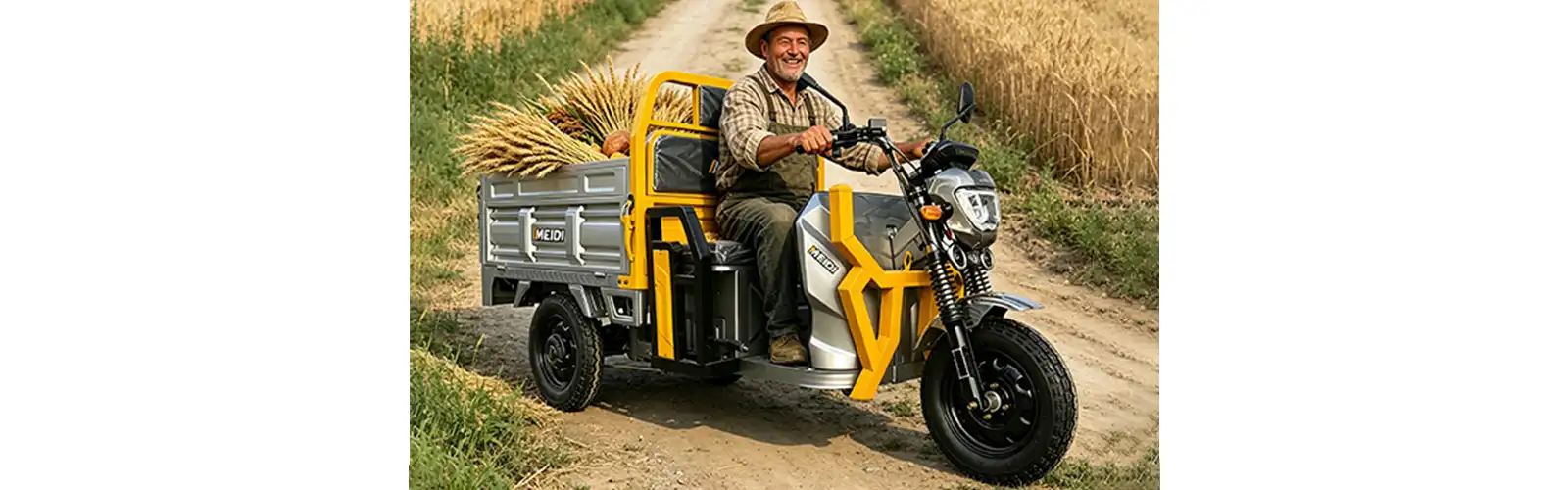
For their goods to get to towns and villages, farmers, market sellers, and small-scale wholesalers need cheap ways to get their goods there. The payload size of the EEC electric 3 wheeler cargo tricycle truck lets it carry farm products, bagged things, and heavy machinery. Operating costs that are much lower than those of regular bikes or small trucks make price-sensitive farming activities more profitable. The vehicle's simplicity—it doesn't have any complicated technology or specialized parts—makes it good for rural areas where advanced technical help might not be easy to find.
Making Your Purchase — Practical Steps to Acquire Hanbang Electric Cargo Tricycles
Understanding the purchase process makes the buying process easier by guiding buyers from the first question to the vehicle's launch.
Contacting Authorized Channels
Hanbang does business in almost 50 countries in the Americas, Africa, Europe, and Southeast Asia through networks of approved dealers, online stores, and distributors. If you email nicole@xzmeidi.com or go to hanbangev.com, you can get in touch with factory representatives who can give you full specs, up-to-date prices, and information on area distributors. Talking to the plant directly will make sure you get correct information about how to customize, how to buy in bulk, and when to expect delivery.
Customization and OEM Options
Hanbang has a specialized research and development team that can change the motor's control, look, colors, and even add company names to make it fit your brand. Custom orders can be made by the maker if you need specific cargo box sizes, color schemes to keep your brand's look, or changed performance qualities for specific uses. The 25-working-day production cycle strikes a good mix between the ability to make changes and the ability to produce products on time, so businesses can start running without having to wait too long.
Bulk Purchasing and Financing
Fleet managers gain from pricing systems that lower costs per unit by a large amount. Talking about your full fleet needs up front makes it easier to negotiate good terms, possible finance packages, and supply times that work with your business rollout. A lot of distributors give financing choices that are just for business-to-business buyers. This way, the capital investment is spread out over operational times while the cars make money. Fully planning your finances requires knowing the total cost of ownership, which includes the buy price, charging infrastructure, insurance, and repair reserves.
Post-Purchase Support Infrastructure
Each car comes with a full installation manual, and if you need them, Hanbang also offers lessons on how to install and fix things. To keep operations running as smoothly as possible during the break-in period, the maker includes frequently worn spare parts in the initial purchase at no extra cost. Long-term operations will go smoothly if you build relationships with local parts providers and know what the guarantee terms are before you buy. The full ISO 9001-certified production process backs up the quality of the products, and the fact that the company has been around for more than ten years shows that it is stable and dedicated to customer service.
Conclusion
Finding the right electric trike means weighing the needs of the business against the features of the bike and the overall cost. The Hanbang electric 3 wheeler cargo tricycle, especially the EEC JIEBAO model, is a tried-and-true option that comes with advanced production, international approvals, and a design that is useful for business use. You can choose a vehicle configuration that works well and is good for your business by carefully considering your load capacity needs, working terrain, daily distance needs, and business plan. Electric passenger tricycles are becoming more popular around the world for last-mile logistics, farm transport, city services, and urban delivery because they are environmentally friendly, don't cost much to run, and can be used in a variety of ways.
FAQ
What is the practical range of the Hanbang electric tricycle under loaded conditions?
The 30–40 km range of the EEC JIEBAO type works in real life, even with light loads. When the highest amount is close to 500 kg, the range will be about 30–40% shorter than when the vehicle is empty. Planning routes and filling plans based on conservative range estimates makes sure that daily operations run smoothly and that the battery doesn't run out in the middle of a route.
How does battery lifespan compare between options?
If you have a good battery management system, lithium battery systems can usually handle 2000+ charge cycles, which is about 5–7 years of daily business use. This lasts a lot longer than lead-acid options, which usually stop working after 300 to 500 rounds. The 72V 32Ah configuration strikes a good mix between starting cost and operating longevity, showing to be cost-effective over a fleet deployment period of several years.
Can the vehicle handle varied terrain including hills?
The 1500W motor and built-in gear shift on the back axle make it easy to handle mild hills. The vehicle isn't made for very rough off-road conditions, but it can handle normal country roads, urban grades, and uneven surfaces that farmers and delivery drivers face. The 37# exterior spring shock reduction system keeps the vehicle stable and comfortable on a variety of road surfaces.
Partner With a Trusted Electric Tricycle Manufacturer
Hanbang wants business owners, fleet workers, and people in charge of buying things to look into how our Hanbang electric 3 wheeler cargo tricycle solutions can change the way you do things. With full EEC, CCC, and ISO 9001 certifications, we are a qualified Hanbang electric 3 wheeler cargo tricycle provider. We offer factory-direct pricing, the ability to customize, and committed support throughout the ownership lifecycle. Our smart factory, which makes 300,000 units a year, makes sure that teams can always get what they need. You can email us at nicole@xzmeidi.com or visit hanbangev.com right now to talk about your specific needs, get full specs, and learn about the benefits of buying in bulk. Join the businesses in 50 countries that have already chosen Hanbang as their environmentally friendly choice. Hanbang is reliable and designed to help you succeed.
References
1. International Energy Agency (2023). "Global Electric Vehicle Outlook: Commercial Vehicle Electrification Trends." IEA Publications, Paris.
2. Chen, L. and Wang, M. (2022). "Total Cost of Ownership Analysis for Electric Light Commercial Vehicles in Urban Logistics." Journal of Sustainable Transportation, Vol. 18, No. 3, pp. 145-167.
3. European Commission Directorate-General for Mobility and Transport (2023). "L-Category Vehicle Regulations and EEC Type Approval Requirements." Official Journal of the European Union, Brussels.
4. Rodriguez, J. and Santos, P. (2023). "Last-Mile Delivery Solutions: Comparative Analysis of Electric Three-Wheeler Performance in Emerging Markets." International Journal of Logistics Management, Vol. 34, No. 2, pp. 289-312.
5. United Nations Environment Programme (2022). "Electric Mobility in Developing Countries: Opportunities for Sustainable Transport." UNEP Publications, Nairobi.
6. Zhang, H., Liu, Y., and Thompson, R. (2023). "Battery Technology and Life-Cycle Economics in Commercial Electric Vehicles." Energy Policy Journal, Vol. 172, pp. 113-128.