- English
- French
- German
- Portuguese
- Spanish
- Russian
- Japanese
- Korean
- Arabic
- Greek
- German
- Turkish
- Italian
- Danish
- Romanian
- Indonesian
- Czech
- Afrikaans
- Swedish
- Polish
- Basque
- Catalan
- Esperanto
- Hindi
- Lao
- Albanian
- Amharic
- Armenian
- Azerbaijani
- Belarusian
- Bengali
- Bosnian
- Bulgarian
- Cebuano
- Chichewa
- Corsican
- Croatian
- Dutch
- Estonian
- Filipino
- Finnish
- Frisian
- Galician
- Georgian
- Gujarati
- Haitian
- Hausa
- Hawaiian
- Hebrew
- Hmong
- Hungarian
- Icelandic
- Igbo
- Javanese
- Kannada
- Kazakh
- Khmer
- Kurdish
- Kyrgyz
- Latin
- Latvian
- Lithuanian
- Luxembou..
- Macedonian
- Malagasy
- Malay
- Malayalam
- Maltese
- Maori
- Marathi
- Mongolian
- Burmese
- Nepali
- Norwegian
- Pashto
- Persian
- Punjabi
- Serbian
- Sesotho
- Sinhala
- Slovak
- Slovenian
- Somali
- Samoan
- Scots Gaelic
- Shona
- Sindhi
- Sundanese
- Swahili
- Tajik
- Tamil
- Telugu
- Thai
- Ukrainian
- Urdu
- Uzbek
- Vietnamese
- Welsh
- Xhosa
- Yiddish
- Yoruba
- Zulu
Foldable Cargo & Passenger Electric Tricycle: A Practical Option for EU City Fleets
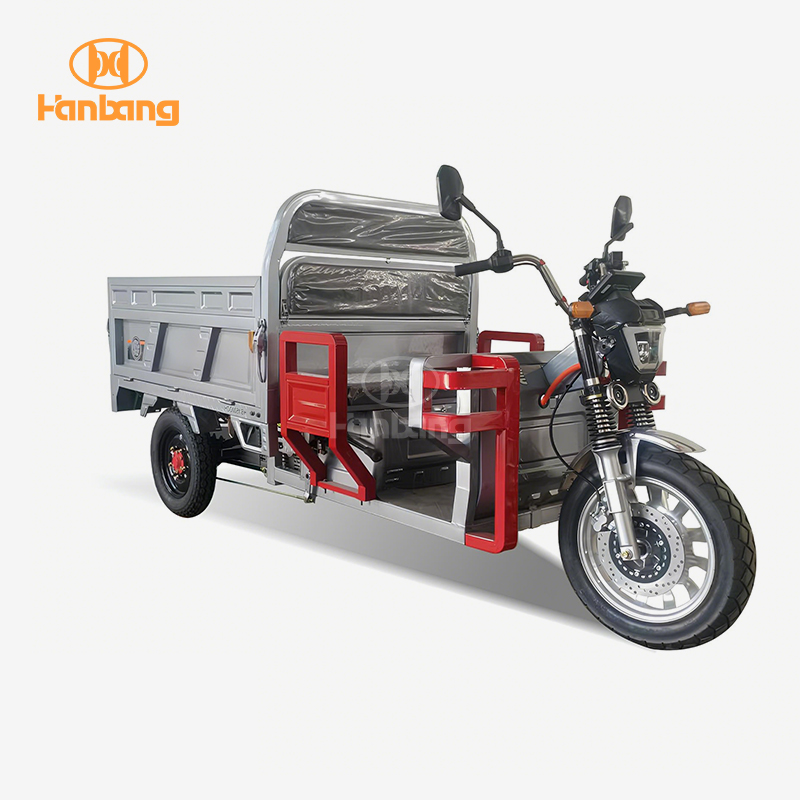
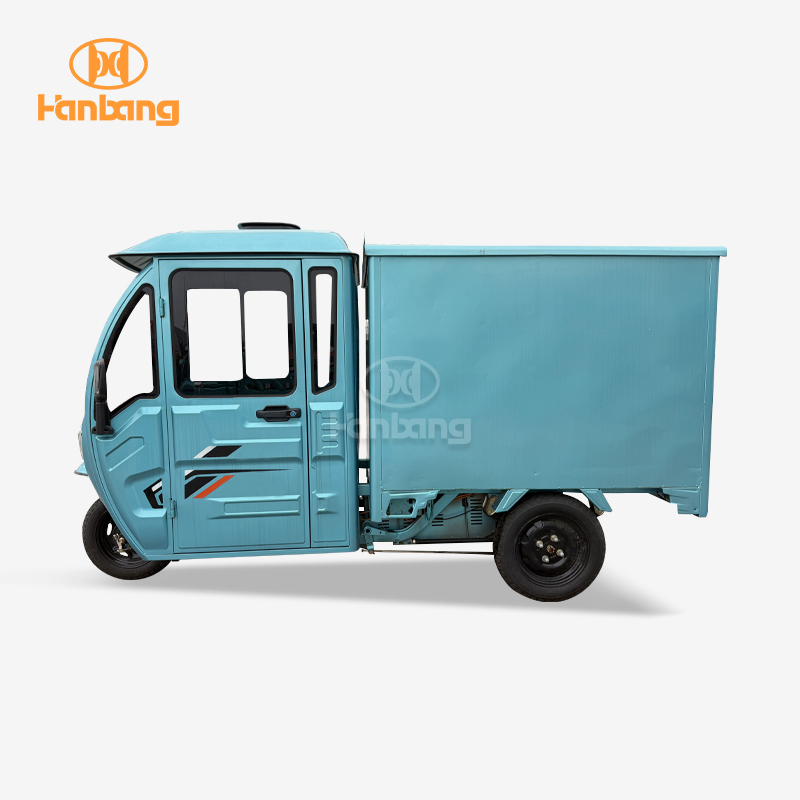
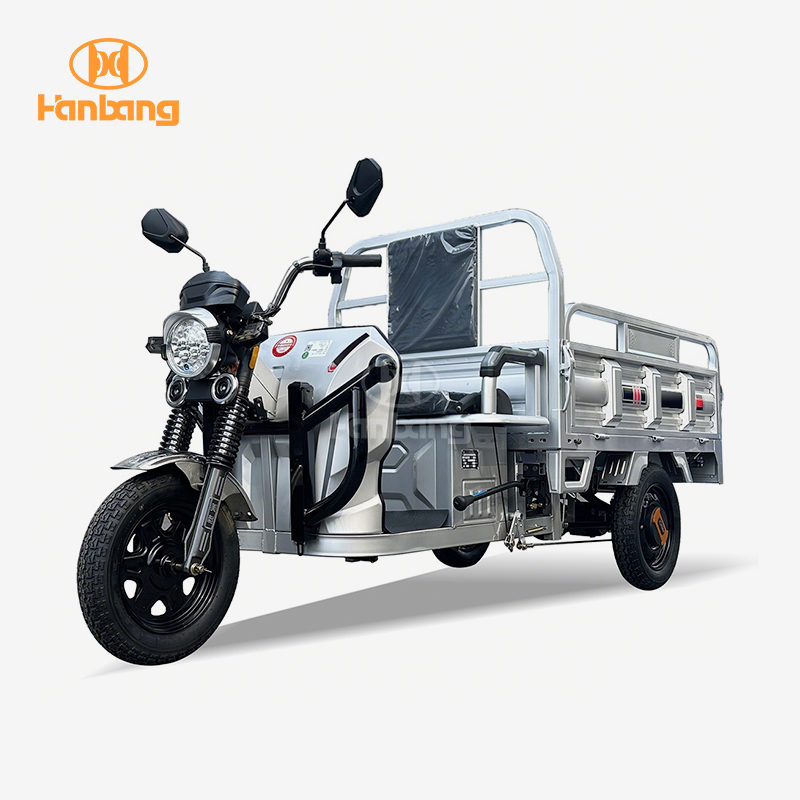
Short stops, small streets and limited storage space have forced European city fleets to modify the vehicles they employ. A foldable electric tricycle for cargo and passenger from Hanbang answers that pressure with one compact platform: it hauls parcels through most of the day and carries an occasional rider when the job calls for it. How to budget. Where it fits. What to check before importing. This tutorial discusses.send inquiry

Where a Foldable Trike Fits in a City Fleet?
Narrow Streets and the Last Few Hundred Metres
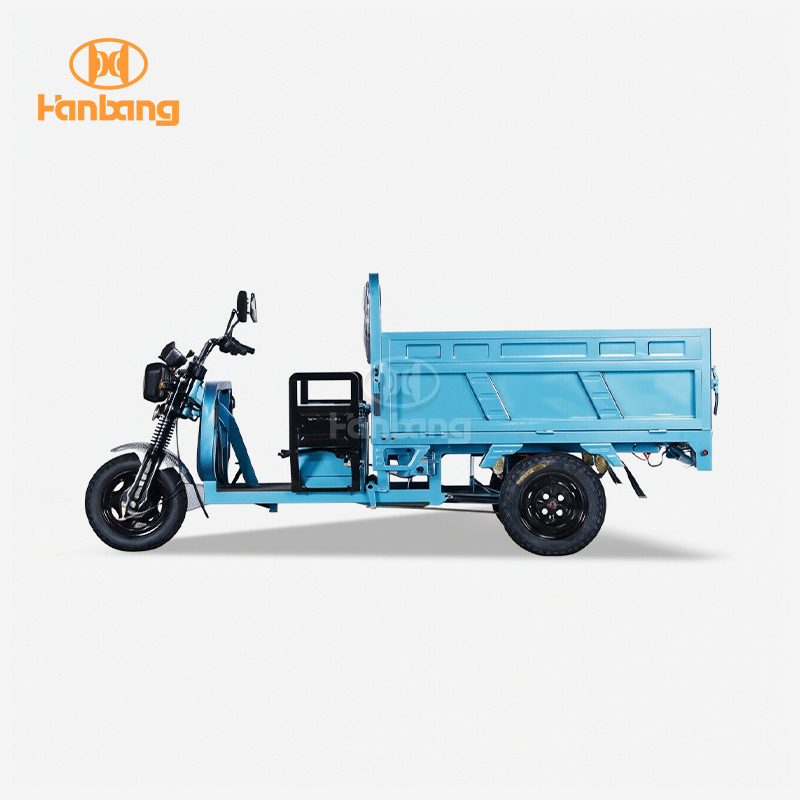
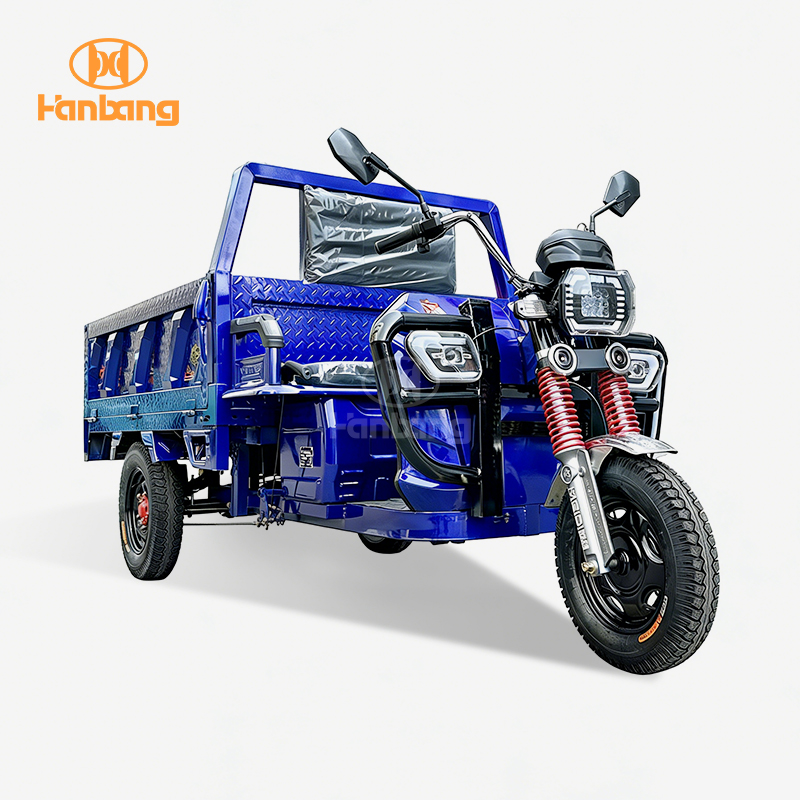
In the middle of old cities, most delivery delays happen after the van stops. The European Commission wants cities to make logistics plans for zero-emission freight and last-mile delivery. Small electric vehicles are a good fit for this task. The Hanbang 110ZD is 2,290 mm long, 960 mm wide, and 1,060 mm high, so it can fit in lanes and courtyards that are too small for bigger vehicles. Also, study shows that the three-wheel design is more stable than a two-wheeled cargo bike.
Switching Between Cargo and Seat Mode
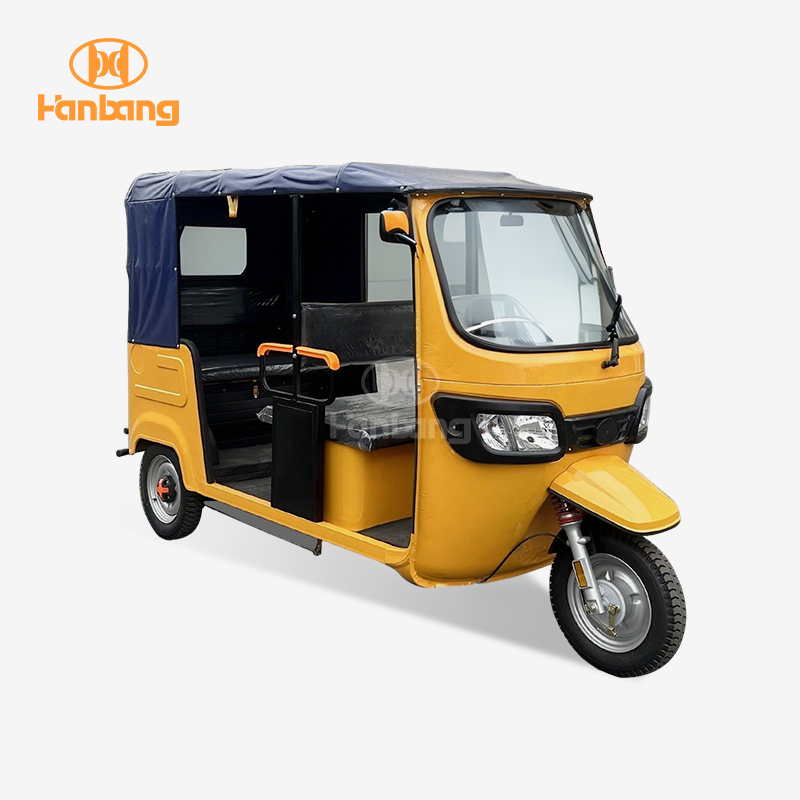
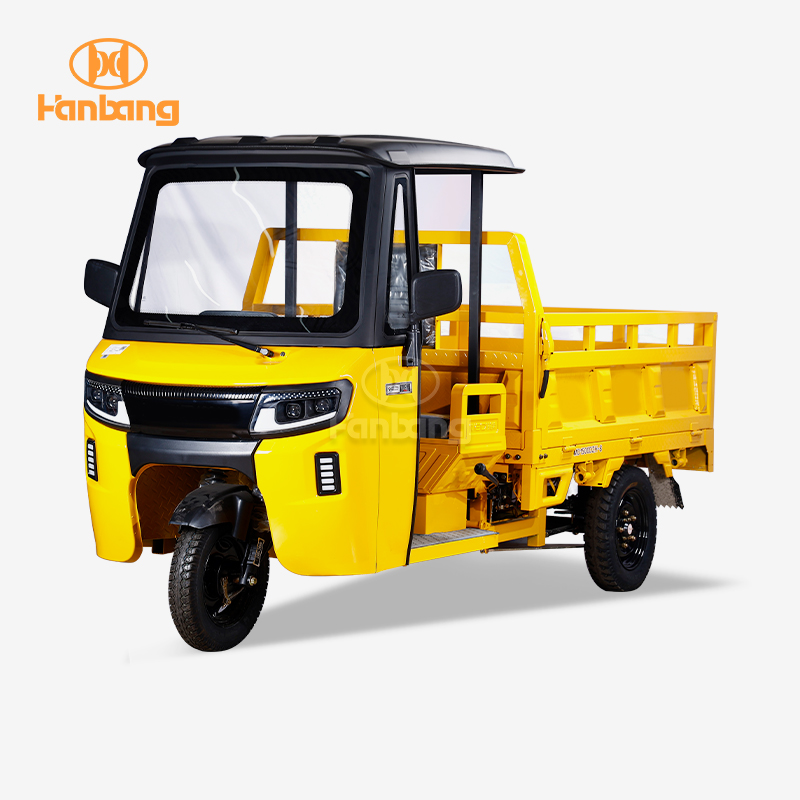
One driver may drop off packages in the morning and pick up a coworker or customer in the afternoon on a mixed round. This is taken care of by Hanbang's product, which has a seat that folds up. The maker says it only takes a minute to fold up without any tools. It can be used for two light things. For example, the EEC ZHANLONG only has a backrest that can be folded down into a seat for a casual rider. This means that neither vehicle can be used instead of a real passenger service.
What the 110ZD Numbers Mean on a Real Round
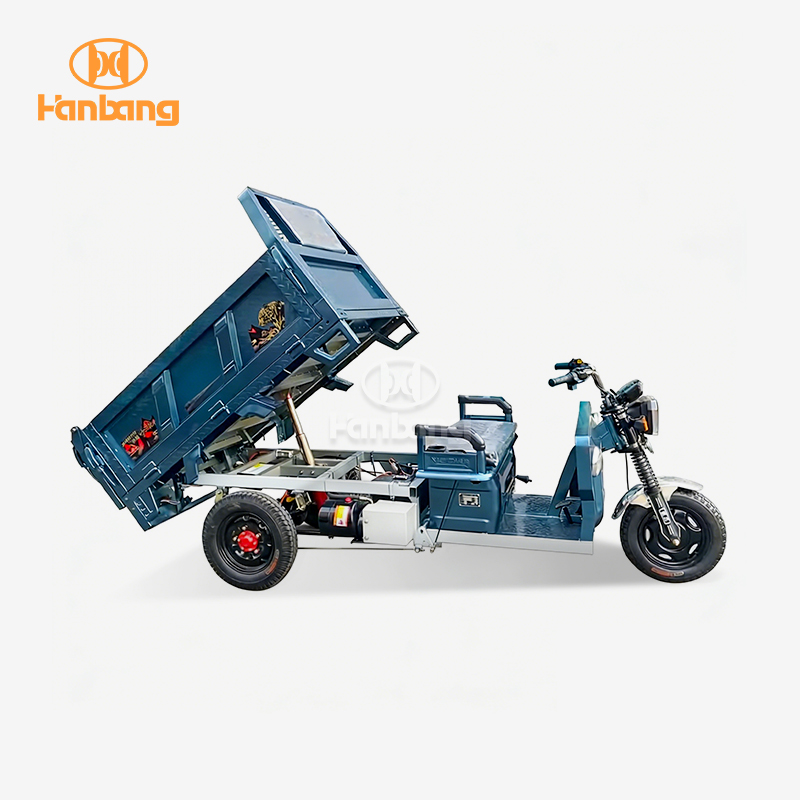
The 110ZD has a range of 30–40 km and a top speed of 45 km/h. It has a 60V 32Ah battery and a 60V 1000W motor. Range changes depending on load and terrain, so planning routes that are less than 25 km per shift is a good idea. It's easy to move around in the city because it has hydraulic shock absorbers and drum brakes on both ends. The frame is also very light, which makes it easy to load and unload.
What EU Buyers Should Check Before Ordering
EEC Approval and the Exact Model
Regulation (EU) No 168/2013 controls how vehicles with two, three, or four wheels can be used on EU roads. It also controls the acceptance of quadricycles. If someone in the EU wants to buy Hanbang's foldable electric tricycle for cargo and passengers, the product page lists CCC and ISO 9001. Before making a deposit, they should ask for the EEC paperwork that covers their specific model. The EEC series from Hanbang, which includes LETU, JIEBAO, ZHANLONG, and WEIBA, is the best way to compare papers.
Container Planning for SKD and Full-Knockdown Kits
Export orders don’t arrive as complete automobiles thus loading plans use SKD or FKD kits, which stands for “semi-knocked-down.” EEC LETU can carry 48 SKD units or 80 fully knocked down units per container. The EEC JIEBAO has a capacity of 44 or 60 units, the EEC ZHANLONG 36 or 55 units, and the EEC WEIBA 30 or 45 units. Knock-down kits mean less freight per unit, but the importer has to set up an assembly line and pay trained staff.
Lead Times, Customization and Paperwork
Hanbang says that custom orders take 25 working days to make, so a fleet that buys in the spring should get confirmation in the winter. You can change the colour, name, load setup, and motor power. The maker also gives you installation guides, instructional videos, and extra wear parts. Before the shipment is scheduled, make sure you have the conformity certificate, the assembly instructions, the parts list, and the charger specifications for the plugs in your country.
How to Budget for a Small City Fleet?
Unit Price Range and What Moves It
Depending on the motor, battery, certification and brand, fleets can expect to pay between $400 and $800 (€400 to €800) per unit ex-factory. The bigger the batteries and the more EEC documentation the higher the price. There are extras like freight, customs and local registration so ask for a landed-cost sheet rather than just an ex-works number. Also ask city partners how they might assist pay for zero-emission logistics.
Running Costs and Upkeep
Charging doesn't cost much compared to fuel, and since 23% of EU transport greenhouse gas emissions happen in cities, buying low-emission fleets is becoming more and more important. Maintenance is still easy: every three to six months, the folding joints need to be inspected and oiled, and Hanbang gives away free replacement parts for parts that get worn out quickly. The trike should be available all week if those times are written on the depot's calendar.
Choosing a Supplier You Can Reach
Not only before delivery, but also after, a truck manager needs replies. Hanbang was established in 2010 and has a production base that is 150,000 square meters big. It has workshops for stamping, welding, painting, and final assembly. The company has almost 200 patents. Consistent frames are made with laser cutting and automatic welding lines, and they are sent to about 50 countries. For the first order, make a small test batch and run it on real routes for two months. Then, decide how much to buy.
Conclusion
Hanbang’s foldable electric tricycle for cargo and passenger is best used as a compact tool for city fleets: it can transport stuff for most of the day, and the rider when needed. See the EEC papers for the exact version. Plan early for SKD or full-knockdown shipping. Budget around $400 to $800 (€400 to €800) per unit before goods. Begin with a little pilot, check how it works on real lines and then scale it up if the numbers are there. This allows you to watch your investment and the danger is little.
FAQ
Is the folding seat meant for regular passenger service?
No. It suits an occasional rider. For regular passenger transport, use a vehicle designed for that purpose.
What range does the 110ZD offer?
The stated range is 30–40 km on the 60V 32Ah battery, depending on load, terrain and riding conditions.
How many units fit in one container?
It depends on the model and kit type. The EEC LETU loads 48 units in SKD or 80 fully knocked down; other models load fewer.
What does one unit cost?
Plan on US$400–800 or €400–800 per unit, depending on configuration. Freight and duties are extra.
How long does a custom order take?
Hanbang lists a 25 working-day production cycle for custom orders, with colour, logo, load and motor options.
Start Your City Fleet Pilot with Hanbang
Planning a pilot for your city fleet? Tell Hanbang three things: your typical route length, the heaviest load you carry, and the country where the trikes will register. Our team will reply with a matched model, an SKD or full-knockdown loading plan and a clear lead time, so you compare real options instead of guessing. Behind every quote stands a 150,000-square-metre intelligent production base, nearly 200 patents, EU EEC export certification and experience shipping to about 50 countries. Whether you run a courier depot, a campus or a municipal service, we will help you test a small batch first and scale only when the numbers work.
Email nicole@xzmeidi.com or message WhatsApp +86 13115031091 today, and mention “City Fleet Pilot” so your enquiry reaches the right desk without delay.
References
1. European Commission, Mobility and Transport (2021). Zero-emission urban freight logistics and last-mile delivery. Accessed 14 October 2026.
2. European Commission, Mobility and Transport (2021). Sustainable urban mobility (EU Urban Mobility Framework). Accessed 14 October 2026.
3. E3S Web of Conferences, Volume 616 (2025). Electric Cargo Tricycle – A New Mobility.
4. EU Urban Mobility Observatory (2021). European Commission releases new Urban Mobility Framework.
Tell us your requirements – get a tailored quote and technical support within 24 hours.