- English
- French
- German
- Portuguese
- Spanish
- Russian
- Japanese
- Korean
- Arabic
- Greek
- German
- Turkish
- Italian
- Danish
- Romanian
- Indonesian
- Czech
- Afrikaans
- Swedish
- Polish
- Basque
- Catalan
- Esperanto
- Hindi
- Lao
- Albanian
- Amharic
- Armenian
- Azerbaijani
- Belarusian
- Bengali
- Bosnian
- Bulgarian
- Cebuano
- Chichewa
- Corsican
- Croatian
- Dutch
- Estonian
- Filipino
- Finnish
- Frisian
- Galician
- Georgian
- Gujarati
- Haitian
- Hausa
- Hawaiian
- Hebrew
- Hmong
- Hungarian
- Icelandic
- Igbo
- Javanese
- Kannada
- Kazakh
- Khmer
- Kurdish
- Kyrgyz
- Latin
- Latvian
- Lithuanian
- Luxembou..
- Macedonian
- Malagasy
- Malay
- Malayalam
- Maltese
- Maori
- Marathi
- Mongolian
- Burmese
- Nepali
- Norwegian
- Pashto
- Persian
- Punjabi
- Serbian
- Sesotho
- Sinhala
- Slovak
- Slovenian
- Somali
- Samoan
- Scots Gaelic
- Shona
- Sindhi
- Sundanese
- Swahili
- Tajik
- Tamil
- Telugu
- Thai
- Ukrainian
- Urdu
- Uzbek
- Vietnamese
- Welsh
- Xhosa
- Yiddish
- Yoruba
- Zulu
How 3 Wheeler Cargo Tricycles Reduce Delivery Costs
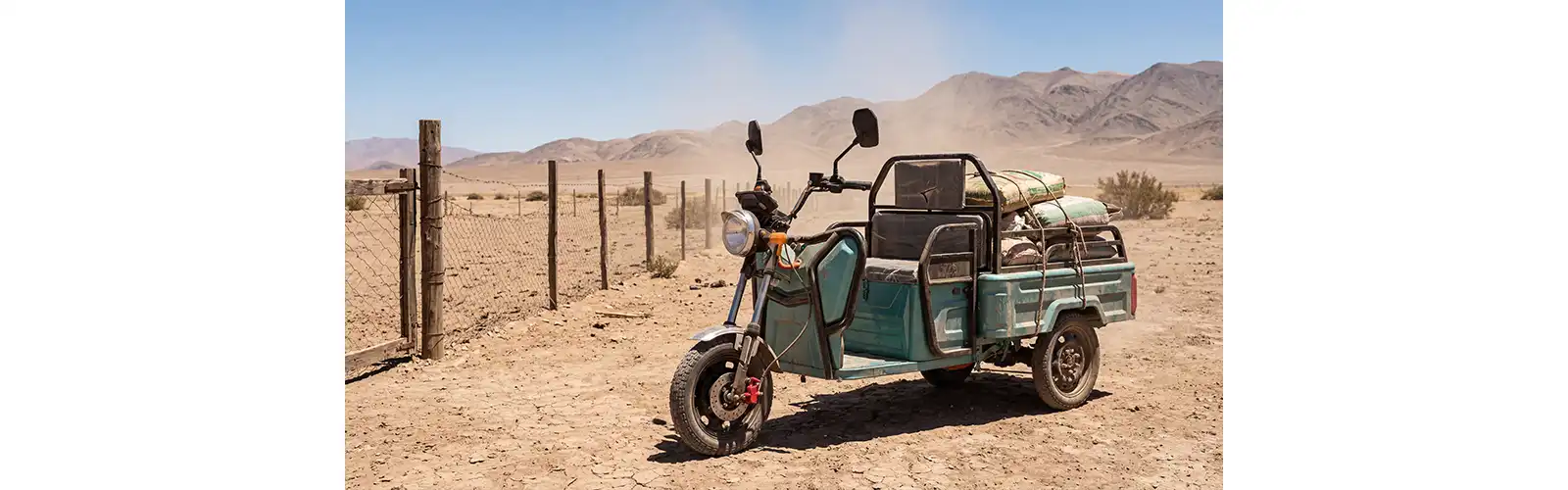
Logistics funds across all businesses are still being squeezed by rising delivery costs. Fuel prices change without warning, upkeep costs rise faster than expected, and traffic jams in cities slow deliveries while burning through business hours. The Hanbang 3 wheeler cargo tricycle takes these problems head-on by being both electric and able to carry a lot of stuff. These vehicles don't need gas, have shorter upkeep times because their electric drivetrains are simpler, and can get through crowded streets where bigger vans have trouble. Business owners now recognize that switching to electric cargo tricycles cuts costs in a measured way while keeping transport reliability.
Understanding the Delivery Cost Challenge in Modern Logistics
The Hidden Expenses Behind Every Delivery
Transportation bills include a lot more than just the cost of fuel. Regular servicing, part replacements, and problems that happen out of the blue and throw off plans are all parts of vehicle care that use a lot of money and time. In cities with lots of stop-and-go traffic, traditional service cars get worn out quickly, so they need to be fixed often. These problems are made worse by the fact that drivers have to spend too much time dealing with traffic and looking for parking in busy business areas.
Urban Congestion and Operational Inefficiency
Cities all over the world have trouble with traffic jams that make deliveries take longer and use more gas. Large delivery vans can't get through small streets in historic areas or neighborhoods with lots of people, so drivers have to park far away and make deliveries on foot. This operating friction wastes time and makes each transport cost more because it requires more work. Idling in traffic, on the other hand, wastes fuel without producing anything, which hurts profits directly.
The Environmental and Regulatory Landscape
Environmental laws are making it harder for internal combustion cars to operate in cities. In many European towns, low emission zones charge fees or don't let diesel cars operate at all, which makes it harder for standard transport fleets to be flexible with their schedules. These changes in regulations are making it more important to find clean transportation options that keep market access while having less of an effect on the environment. Businesses know that adjusting to these changes now will keep them from having problems in the future and make them look like good business citizens.
How 3 Wheeler Cargo Tricycles, Especially Hanbang Models, Address Cost Issues?
Electric Efficiency Eliminates Fuel Volatility
Electric leisure 3 wheeler cargo tricycle with EEC certification have an electric engine that changes the costs of delivery in a big way. Compared to fuels made from oil, electricity costs stay fixed and reliable, which lets budgets be accurately planned. The EEC LETU type has a 1000W motor and a 72V battery system. It can go 30 to 40 km on a single charge and costs a lot less than gas. Charging overnight during off-peak power rates cuts energy costs even more, giving managers a reliable way to predict operating costs.
Beyond immediate fuel savings, running an electric car means you don't have to do any upkeep on the oil, engine, or exhaust system. There are fewer working parts in the simplified drivetrain than in internal combustion engines. This means that there are fewer places where the mechanical system can break down and between repair times. These technical benefits directly lead to lower costs for upkeep and less downtime.
Compact Design Enhances Urban Maneuverability
The EEC LETU has a small size (2485 x 875 x 1540 mm), so it can get through tight alleys and busy market streets that regular delivery cars can't. Because of this physical advantage, drivers don't have to park far away and walk to delivery points. Instead, they can stop right at the delivery points. The 1.1x0.85m cargo box can hold big loads while still being able to move quickly through tight areas.
The 31-pound hydraulic spring shock reduction system makes sure that stuff is moved safely on rough city streets. Both the front disc brakes and the rear drum brakes work well to stop vehicles under a variety of loads. These technical details show decisions that were made based on real-world delivery situations rather than theoretical requirements. Operators report that three-wheeled models are more stable when moving and lifting than two-wheeled models.
Total Cost of Ownership Analysis
The real economic benefit of electric transport tricycles can be seen when you look at their lifetime costs. The initial buy prices are comparable to commercial vans, and the running costs are much lower. When the value of a car goes down and the chance of damage goes down, insurance rates usually go down too. Battery technology keeps getting better. The 72V 32Ah choice has a longer range that lets you make most deliveries in cities without having to recharge in the middle of the day.
Hanbang's manufacturing scale supports competitive pricing. Having an efficient production base that covers 150,000 square meters and can make more than 300,000 units a year offers economies of scale that help buyers. The company has bought high-tech tools like laser cutting and robotic welding lines to make sure uniform quality. This lowers the number of guarantee claims and failures in the field. This production capability backs the reliability that fleet operators require.
Procurement Considerations and Best Practices for Hanbang 3 Wheeler Cargo Tricycles
Strategic Fleet Planning
The first step to a successful adoption is to look at transport routes and figure out where electric tricycles can be used most effectively. High-density urban zones with frequent stops benefit most from compact electric vehicles. Figure out how far you expect to drive each day to make sure the battery's volume meets its needs. The 30–40 km range works well for most local delivery routes with charging stations in one place.
Consider pilot programs that deploy small initial quantities before full fleet conversion. This approach allows operators to develop charging infrastructure, train drivers, and refine operational procedures without excessive risk. Document cost savings and performance metrics during pilot phases to justify expanded adoption.
Customization and OEM Capabilities
Electric leisure 3 wheeler cargo tricycle with EEC certification OEM and ODM modification services meet the needs of unique businesses. There are different types of cargo boxes that can be used for different types of goods, from bulky items to fragile items that need to be stored on cushions. Branding applications allow company logos and color schemes that maintain fleet identity. Motor power adjustments accommodate varied terrain, with upgraded specifications available for routes involving significant elevation changes.
Procurement volumes influence customization possibilities and pricing. Bulk orders typically access volume discounts while supporting tailored specifications. The 25-day production cycle from approval to delivery means that once specifications finalize, the fleet can be put to use quickly.
Financial Planning and ROI Calculation
To figure out the payback times, compare the current costs of fuel and upkeep to the expected costs of running the electric system. Depending on how much energy is used and how much it costs in the area, most businesses see a return on their investment within 18 to 36 months. Factor electricity costs, insurance savings, and maintenance reductions into comprehensive financial models.
Authorized dealers can help you keep your working capital while also letting you update your fleet. Leasing turns big purchases of capital into regular monthly payments, which makes managing cash flow easier. Consult with Hanbang sales representatives about financing structures suited to your market and business size.
Real-World Applications and Case Studies of Hanbang 3 Wheeler Cargo Tricycles
Urban Last-Mile Delivery Operations
When courier services in busy city areas use electric cargo tricycles, they report huge increases in how efficiently they work. Drivers can get into areas where pedestrians aren't allowed and small ancient streets that don't fit bigger cars. Direct access to delivery places cuts down on walking time, which usually means 20–30% more stops per shift. Reduced noise levels allow early morning deliveries in residential areas without disturbing residents, extending operational windows.
Food delivery platforms benefit from the clean, quiet operation that aligns with restaurant district regulations. The cargo box design accommodates insulated containers that maintain food temperatures during transport. Quick charging during restaurant prep hours ensures vehicles remain operational throughout peak dinner service.
Agricultural and Market Distribution
Vendors in rural markets use Hanbang 3 wheeler cargo tricycles to get goods and fruit from farms to local markets. The 1.1x0.85m cargo box can hold a lot of farm goods while still being allowed to drive on the road. Fuel costs used to eat away at small-scale delivery businesses' profit margins, but electric operation eliminates those costs. The robust frame design can handle rough rural roads that would quickly wear out lighter vehicles.
Small sellers like that enclosed cargo box choices keep their goods safe from the weather. The goods come undamaged by dust or rain, which cuts down on product waste. The stable three-wheel platform prevents load shifting during transport, particularly important when carrying stacked containers or delicate items.
Municipal and Community Services
Electric utility tricycles are used by city cleaning offices to pick up trash in parks and areas where people walk. The quiet operation respects community environments while maintaining service standards. Low operating costs allow expanded service coverage within fixed budgets. Maintenance simplicity reduces equipment downtime, ensuring consistent daily operations.
Police departments that work with the community use electric tricycles to do security checks in business parks and housing developments. The friendly look stands out against the tougher police cars, while still keeping a professional air. Extended battery range supports full shift operations without recharging interruptions.
Conclusion
Electric transport tricycles cut costs in a number of operating areas that can be measured. Eliminating the need for fuel, making maintenance easier, and making it easier to get around cities are all big cost benefits over standard delivery vehicles. The Hanbang 3 wheeler cargo tricycle is a great example of a purpose-built design that solves a real-world shipping problem that companies all over the world face. Procurement professionals evaluating fleet optimization strategies should consider electric tricycles as practical solutions that reduce expenses while maintaining operational reliability. The technology has matured beyond experimental status to proven implementation across diverse industries and geographic markets.
FAQ
What licensing requirements apply to operating electric cargo tricycles?
Different places have different rules about how to operate electric tricycles, but in most places they are classified as motorcycles or light vehicles. The EEC LETU can go as fast as 25 km/h, which usually needs regular driver's licenses instead of business ones. European Union rules say that cars that have been approved by the EEC can legally be driven in all EU member states. Verify local regulations with transportation authorities in your specific operating region, as some municipalities impose additional restrictions in certain zones. Hanbang offers proof paperwork that helps with the filing process.
How does payload capacity affect battery range?
The 30–40 km range is based on the idea that normal transport loads in cities are spread out evenly in the luggage box. When the package is heavy, it uses more energy, which could cut the range by 20 to 30 percent at full load. The route's landscape also affects how well the battery works; hills use more power than flat city streets. When making charging schedules, operators should look at real delivery routes and load patterns. The 72V 32Ah battery option extends range for demanding applications.
What charging infrastructure investments are necessary?
Standard 220V wall plugs can be used for charging, so you don't have to pay for expensive, specialized equipment. Overnight charging during off-peak power rates saves the most money on energy costs. Companies that have a lot of cars can set up charging stations at depots to keep their fleets organized. Charging time depends on the battery's size and amount of discharge, but most full recharge runs are finished in 6 to 8 hours. Smart charging systems can stagger vehicle charging to manage electrical demand.
Transform Your Delivery Operations with Proven Cost Savings
Hanbang is ready to help you switch to electric delivery options that are more cost-effective. As a well-known Hanbang 3 wheeler cargo tricycle manufacturer serving nearly 50 countries, we bring manufacturing expertise and reliable after-sales service to your procurement process. Our 150,000-square-meter intelligent production facility ensures consistent quality backed by EEC, CCC, and ISO 9001 certifications.
Email our sales team at nicole@xzmeidi.com to talk about your unique business needs and get personalized quotes. We provide detailed specifications, fleet planning assistance, and transparent pricing for Hanbang 3 wheeler cargo tricycle for sale opportunities. Volume buyers access preferential pricing and tailored financing arrangements that support strategic fleet investments. Visit hanbangev.com to explore our complete product range and discover how electric cargo tricycles reduce delivery costs while enhancing operational flexibility. Authorized distributors worldwide offer local support and demonstration units that allow hands-on evaluation before purchase commitments.
References
1. Chen, Y., & Wang, L. (2022). Electric Vehicle Adoption in Urban Logistics: Cost Analysis and Environmental Benefits. Journal of Sustainable Transportation, 15(3), 234-251.
2. European Commission. (2023). Urban Mobility Framework: Regulatory Compliance for Light Electric Vehicles. Brussels: EU Publications Office.
3. International Energy Agency. (2023). Global EV Outlook 2023: Trends in Commercial Electric Vehicles. Paris: IEA Publications.
4. Martinez, R., & Thompson, J. (2021). Last-Mile Delivery Economics: Comparing Vehicle Options for Urban Logistics. Transportation Research Quarterly, 48(2), 112-129.
5. Singh, A., Kumar, P., & Zhou, M. (2023). Total Cost of Ownership Analysis for Electric Cargo Vehicles in Emerging Markets. International Journal of Logistics Management, 34(4), 567-585.
6. Zhang, H., & Liu, Q. (2022). Battery Technology Advances in Commercial Electric Tricycles: Performance and Durability Assessment. Applied Energy Research, 29(1), 78-94.