- English
- French
- German
- Portuguese
- Spanish
- Russian
- Japanese
- Korean
- Arabic
- Greek
- German
- Turkish
- Italian
- Danish
- Romanian
- Indonesian
- Czech
- Afrikaans
- Swedish
- Polish
- Basque
- Catalan
- Esperanto
- Hindi
- Lao
- Albanian
- Amharic
- Armenian
- Azerbaijani
- Belarusian
- Bengali
- Bosnian
- Bulgarian
- Cebuano
- Chichewa
- Corsican
- Croatian
- Dutch
- Estonian
- Filipino
- Finnish
- Frisian
- Galician
- Georgian
- Gujarati
- Haitian
- Hausa
- Hawaiian
- Hebrew
- Hmong
- Hungarian
- Icelandic
- Igbo
- Javanese
- Kannada
- Kazakh
- Khmer
- Kurdish
- Kyrgyz
- Latin
- Latvian
- Lithuanian
- Luxembou..
- Macedonian
- Malagasy
- Malay
- Malayalam
- Maltese
- Maori
- Marathi
- Mongolian
- Burmese
- Nepali
- Norwegian
- Pashto
- Persian
- Punjabi
- Serbian
- Sesotho
- Sinhala
- Slovak
- Slovenian
- Somali
- Samoan
- Scots Gaelic
- Shona
- Sindhi
- Sundanese
- Swahili
- Tajik
- Tamil
- Telugu
- Thai
- Ukrainian
- Urdu
- Uzbek
- Vietnamese
- Welsh
- Xhosa
- Yiddish
- Yoruba
- Zulu
Best Electric Three-Wheel Cargo Motorcycle for Last-Mile Delivery
Businesses need to find the best electric cargo motorcycle for last-mile delivery operations by weighing the total cost of ownership, the amount of goods that can be carried, and the operating range. The electric cargo motorcycle has become the best option for urban transport companies because it has zero emissions and is easier to move in busy delivery areas. These specialized three-wheelers have consistent torque for carrying big loads and follow strict rules for getting into cities. This makes them an essential part of modern service teams that want to be efficient and good to the environment.
Understanding Electric Three-Wheel Cargo Motorcycles
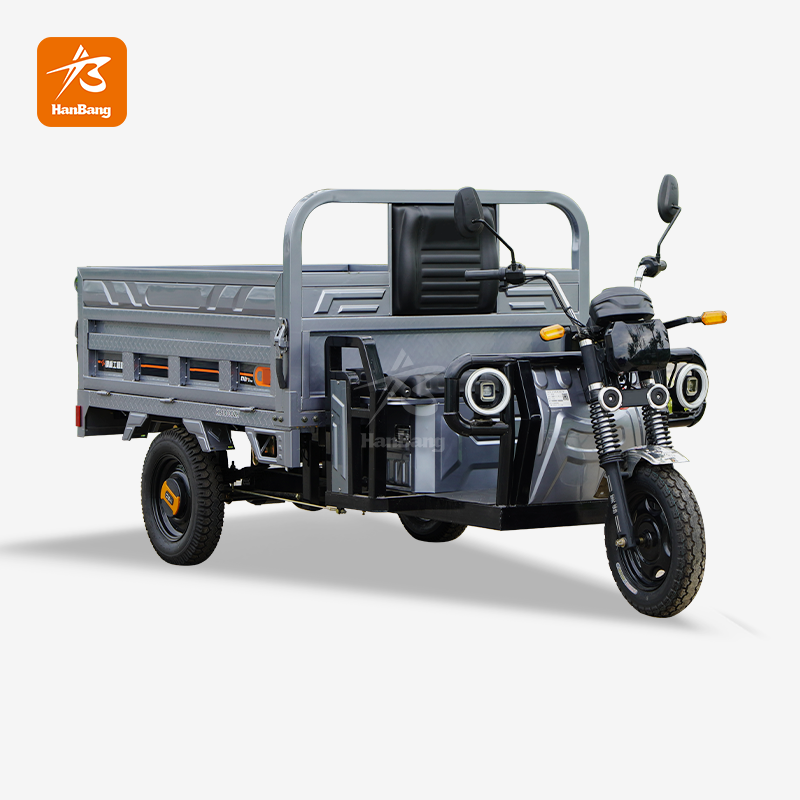
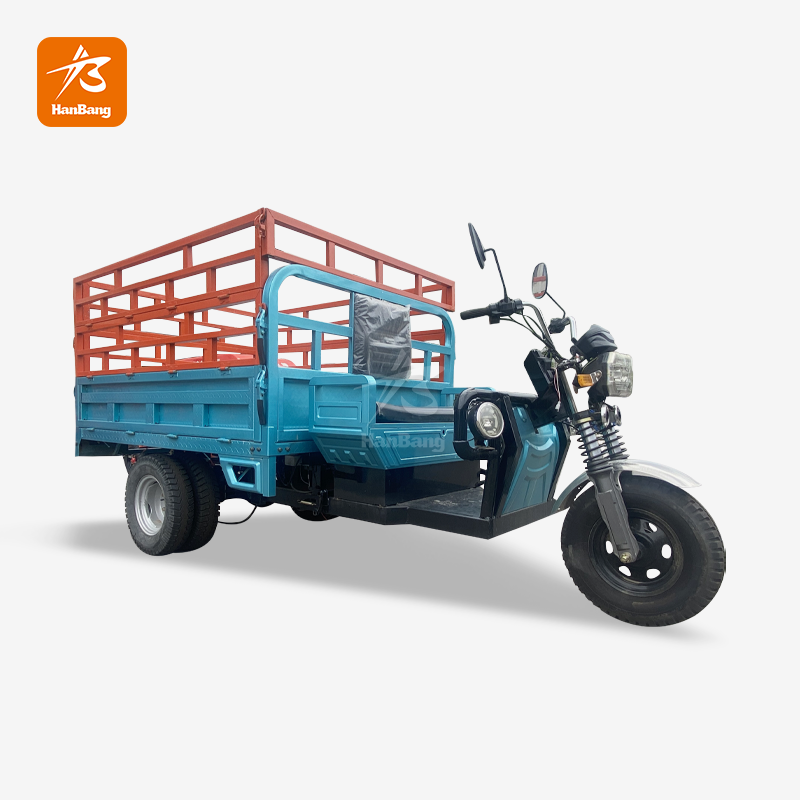
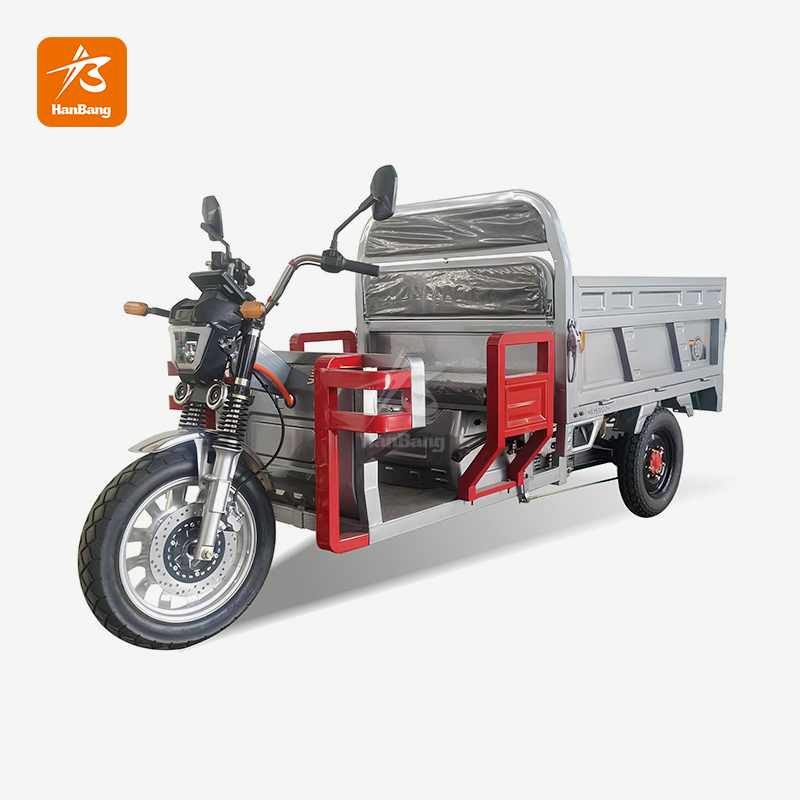
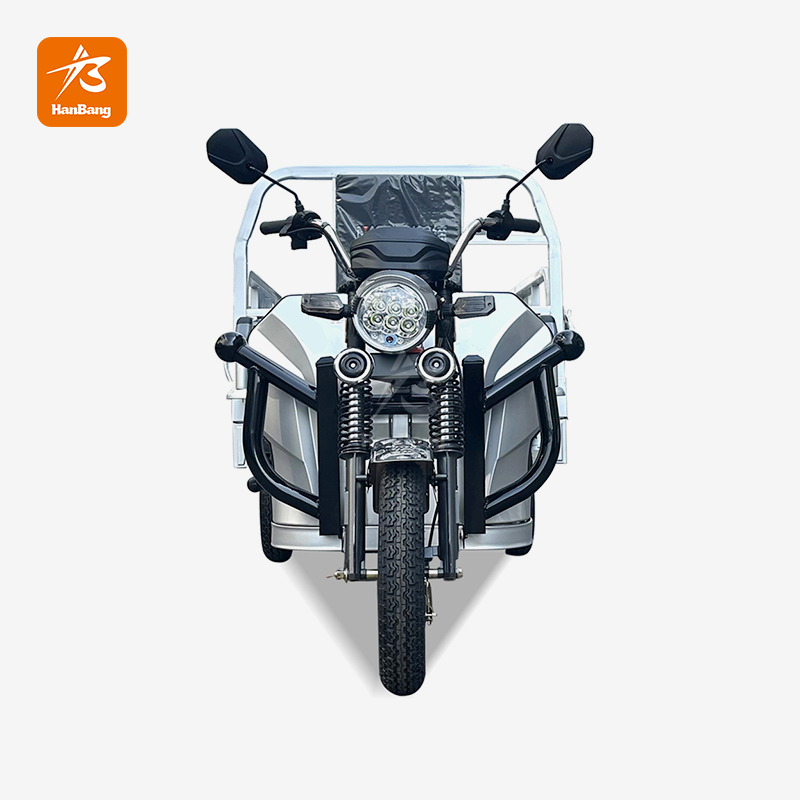
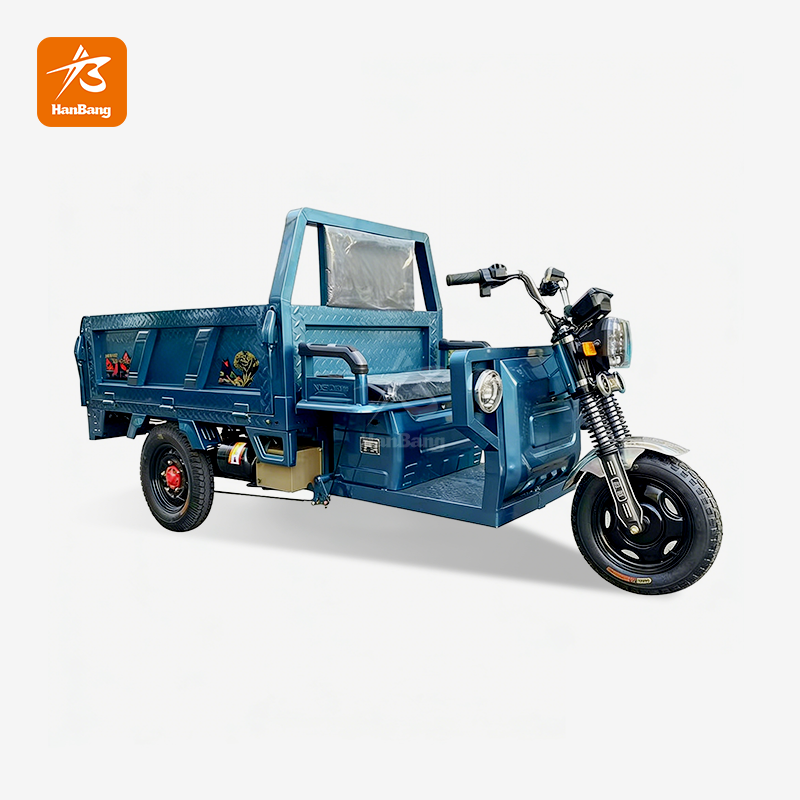
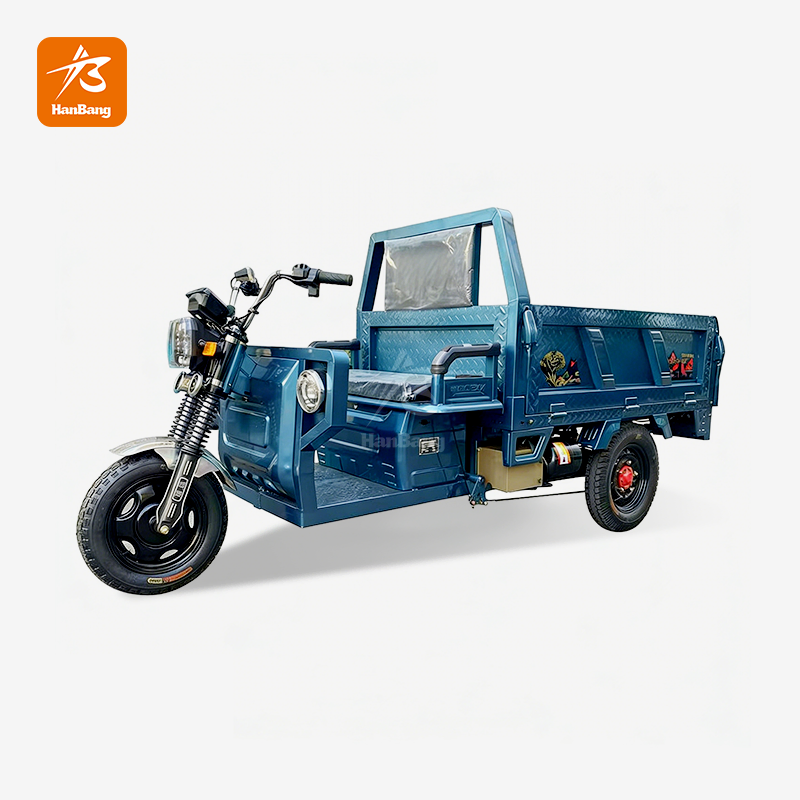
Electric cargo motorcycle are a special type of business transport vehicle that was made to help with environmentally friendly handling. Traditional two-wheeled motorcycles give up stability for speed, and traditional cargo vans have trouble getting through crowded cities. These three-wheel platforms, on the other hand, offer the best mix of load capacity and maneuverability.
Core Components and Engineering Principles
Electric cargo motorcycle are built around three important features that must work together smoothly. The engine usually has brushless DC motors that range from 1000W to 3000W. These motors have a high low-end torque that is needed to move big loads from a stop. The LETU model has a 1000W motor and a 60/72V dual-voltage system, which makes it work well even when the load is changing.
The frame design is very different from that of passenger cars. The weight is spread across three contact points by reinforced tube steel frames. The rear axle unit has a gear shift system built in (130 differential ratio in our LETU model) that makes torque multiplication work best. The 31# hydraulic spring shock absorber system handles vertical load stress, which is especially important when carrying heavy items on uneven city streets.
Environmental Impact and Corporate Sustainability
When a company switches to electric-powered solutions, its carbon footprint goes down in a way that can be measured. Cargo cars that use internal combustion engines put out about 2.3 kg of CO2 for every liter of fuel they use. A normal delivery route that goes 40 kilometers every day would produce about 3.5 kg of direct emissions. Electric options don't have any tailpipe pollution at all, so fleet operations are in line with ESG (Environmental, Social, and Governance) goals of the company.
In addition to having lower pollution, electric powertrains are 85–90% efficient at turning energy into motion, while gasoline engines are only 20–30% efficient. This efficiency means that less primary energy will be used over the whole operating lifetime. Businesses that bring goods to cities with Low Emission Zones (LEZ) or Zero Emission Zones (ZEZ) rules need electric cargo motorcycles to keep making deliveries without having to pay daily fees or follow operating limits.
Key Benefits and Performance Factors for Last-Mile Delivery
When you look at how well an electric cargo motorcycle works in real-world delivery situations, you can see what its real value is. These vehicles solve certain problems that have been bothersome for last-mile logistics companies in the past.
Superior Cargo Capacity Through Structural Stability
Two-wheel configurations are less stable than three-wheel designs, which means that bigger cargo areas can be used without losing handling safety for EEC electric three wheeler cargo tricycle motorcycle. The LETU model has a cargo box that is 1.1 x 0.85 meters, which can hold about 0.935 cubic meters of goods. This capacity fits normal package sizes used by fast mail services while keeping the overall footprint small at 2485 x 875 x 1540 mm.
The bigger frame spreads the weight out more evenly, making it less likely that the truck will tip over when it's fully loaded and turning corners. Businesses that ship fragile items will benefit the most from this steadiness, as less shaking and movement means less damage to the goods during transport.
Urban Speed and Range Optimization
The LETU can go as fast as 25 km/h, which is purposely slow so that it can be used for delivery in cities instead of on highways. This speed limit is in line with how EU L2e vehicles are classified, which makes following the rules easier and more in line with how traffic usually flows in cities. Due to the amount of traffic, delivery lines in the center of cities rarely go faster than 20 km/h, so the ability to go faster isn't really needed.
The range of 30 to 40 kilometers per charge is good for daily delivery routes. Hub-and-spoke models are what most urban logistics companies use. This means that vehicles return to central bases after finishing their runs. This way of working means that charging processes can happen overnight, so there is no need for equipment to be set up in the middle of shifts to charge. Businesses with multiple jobs can keep vehicles in use by moving charged battery packs, which cuts down on downtime.
Simplified Maintenance and Operational Cost Reduction
Compared to similar internal combustion systems, which have over 200 working parts, electric drivetrains only have about 20. This technical ease cuts down on the number of repairs and their complexity. Checking the brakes, rotating the tires, and cleaning the battery terminals are all common maintenance jobs that can be done by people who aren't trained to use engine diagnostic tools.
When compared to gasoline options, operational cost study shows big savings. In the US, electricity costs about $0.12 per kWh, and the LETU's battery system needs about 1.5 kWh to fully charge from a fully discharged state. This comes out to about $0.18 per full charge cycle, or $0.005 per kilometer at the longest range. At today's fuel prices, similar gasoline tricycles that use 3 liters of gas every 100 kilometers would cost about $0.09 per kilometer, which is 18 times more expensive to run.
Safety Features and Regulatory Compliance
The LETU has certifications from the EEC, the CCC, and ISO 9001, which show that it meets the quality standards of the European Union, China, and international industrial quality management systems. EEC approval checks the vehicle's brake performance, electrical safety, and electromagnetic compatibility to make sure it meets the high safety standards needed to legally drive in all EU member states.
The braking system stops the vehicle within the allowed distance, and the low center of gravity that comes with having three wheels lowers the risk of rolling over during emergency moves. Businesses that do business in more than one state like how thorough certification paperwork makes the processes of registering vehicles and getting insurance easier.
Comparing Electric Three-Wheel Cargo Motorcycles With Alternatives
For purchasing choices, it's important to be able to clearly compare the different types of electric cargo motorcycle that are offered. Knowing the various strengths and weaknesses of different options lets you make a choice that fits your unique operational needs.
Electric vs. Gasoline-Powered Cargo Tricycles
There are big differences in how well electric and internal combustion cargo tricycles work. Electric motors produce the most power at zero RPM, which means they can accelerate more quickly when they're loaded. This is especially useful for stop-and-go delivery patterns in cities. Gasoline engines need higher RPM ranges to make their peak power, which makes them slow to accelerate at first and makes delivery gaps longer.
Over the course of a normal three-year operating lifecycle, ongoing costs for gasoline vehicles add up to maintenance costs that are 60–70% higher. Another important difference is the effect on the environment. Cities like Los Angeles, New York, and San Francisco have said that diesel and gasoline business cars will be limited in their downtown areas over time. As environmental laws get stricter, electric tricycles will still be able to be used, even if the rules change.
Electric Tricycles vs. Electric Cargo Bikes
Two-wheeled electric cargo bikes are easier to move around in very small areas, but they can't carry as much and aren't as protected from the weather. Cargo bikes can usually carry up to 100 to 200 kg, while three-wheel platforms like the LETU can carry up to 400 to 500 kg, based on the frame specs.
Protection from the weather is another useful thing to think about. Tricycles have enclosed cargo boxes that protect goods from rain, which is especially important for electronics, medicines, and packed foods. Furthermore, cargo bikes require constant balancing work from their riders, especially when they are heavy, which makes them more tired during long shifts. Three-wheel platforms don't need to be balanced, which makes them easier on the user.
Current Market Leaders and Model Considerations
Electric three wheeler cargo motorcycle come from a number of well-known brands, each with their own set of features and price ranges. Our LETU model is competitive because it is approved to meet standards, can be customized, and can be bought directly from the plant.
Businesses should look at the total cost of ownership instead of just the initial cost of purchase. They should think about things like guarantee coverage, the availability of spare parts, and how quickly technical help can respond. Industrial-grade platforms are different from recreational vehicles because they have both EEC certification and ISO 9001 manufacturing credentials.
How to Choose the Best Electric Three-Wheel Cargo Motorcycle for Your Business?
Using systematic evaluation models can help you avoid buying mistakes that cost a lot of money and make sure that the electric cargo motorcycle you choose are right for your needs. Instead of just using specification sheets, people who make decisions should use formal criteria screening methods.
Defining Your Operational Requirements
Start by making a list of the characteristics of the freight along normal delivery paths. Keep track of the average box sizes, weights, and daily volume totals. Companies that mostly ship small packages need to set up their goods in different ways than companies that move large amounts of farm products or city maintenance tools.
Route layout has a big effect on what vehicles are needed. Vehicles that can accelerate quickly and are small are better for urban areas where stops are common. For rural delivery routes with longer miles between stops, battery range is more important than agility. The LETU's 30–40 km range works well for dense urban loops with depot return patterns. However, longer country routes may need extra battery packs or charging stations in the middle of the route.
Critical Vehicle Specification Parameters
The operating range and longevity of a car are directly related to its battery capacity. Lead-acid batteries are cheaper at first, but they only last 500 to 800 charge cycles before they lose their power and need to be replaced. Lithium-ion batteries have better energy efficiency and can be charged more than 2000 times, but they cost more up front.
Not only must payload limits include the weight of the freight, but they must also include safety gaps for the driver's weight and any extra tools. The LETU's chassis specs allow it to carry a lot of goods while keeping its structure strong over a long period of time. Going over the manufacturer's recommended payload limits speeds up the wear and tear on parts and makes you more responsible in case of an accident.
Supplier Reliability and After-Sales Support
The purchase of a vehicle is just the start of a business relationship. The total ownership experience is greatly affected by how quickly parts are available, how quickly technical help is responded to, and how quickly insurance claims are processed. We keep a large collection of spare parts so that we can ship important parts the same day, which cuts down on downtime when service is needed.
Our OEM/ODM services can handle custom cargo box layouts, the application of labeled livery, and the inclusion of specialized equipment. Companies that want to grow their fleets benefit when their suppliers offer uniform specs across all procurement cycles. This makes it easier to train drivers and standardize maintenance.
Procuring and Integrating Electric Three-Wheel Cargo Motorcycles into Your Fleet
A successful application includes more than just choosing the right electric three wheeler cargo motorcycle. It also includes planning how to buy them, how to handle the money, and how to integrate them into the business.
Identifying Reliable Procurement Channels
When you deal directly with the maker, you avoid the markups that distributors add, and you can be sure that the product specifications and guarantee coverage are correct. We encourage potential customers to visit our factories so they can see how they are made, see how quality control works, and get a better idea of how well they can make things. Our 150,000-square-meter clever production base has high-tech robotic welding lines and automatic finishing systems.
Verification of certification keeps you safe from fake goods and makes sure you follow the rules. Ask for actual copies of certification documents instead of photocopies, and if possible, check the validity of the certificate through databases maintained by the issuing body. The LETU can be legally registered in all EU member states thanks to its EEC certification, while its CCC certification proves that it meets Chinese safety standards.
Financial Structuring and ROI Calculation
A full study of the total cost of ownership should include the costs of buying the item, paying for it, paying for repairs, and the running costs of fuel and electricity over the predicted service life. When electric tricycles are used instead of gasoline ones, they usually pay for themselves in 18 to 24 months, mostly because they use less gas and require less maintenance.
Leasing agreements help companies that need cash quickly keep their working capital. Operating leases treat cars as rental costs instead of capital assets. This makes budgeting easier while still allowing for freedom in updating the fleet. We work with business finance partners who know how to set up loans for transportation tools that fit the cash flow needs of the logistics industry.
Maintenance Infrastructure and Supplier Partnerships
Service interruptions can be avoided by setting up repair options before the fleet is sent out. Through our in-depth training programs, we teach maintenance workers how to diagnose problems and fix electric motor systems. Initial spare parts kits include parts that need to be replaced often, like brake pads, tires, and electrical connections.
Battery management methods have a big effect on how long a task lasts. We give you full charging instructions that include the best temperature ranges, charge/discharge cycles, and storing methods for getting the most out of your batteries. Real-time tracking of vehicles made possible by telematics integration makes fleet management more responsive. When GPS tracking systems are paired with monitoring of battery state-of-charge, dispatchers can make the best route assignments.
Conclusion
To choose the best electric cargo motorcycle, you need to weigh the performance specs against the needs of the business and the total cost of ownership. Jiangsu Hanbang Vehicle Industry's LETU model has been approved to meet safety standards, has strong engineering, and can be customized to fit a wide range of last-mile transport needs. Because we can make things and offer a wide range of support services, we are a trusted partner for companies that want to electrify their shipping operations. Electric cargo motorcycles are not only good for the environment, but they are also good for business. They cut costs and make sure that regulations are followed in urban markets that are becoming more rigid.
FAQ
How long do batteries last under intensive delivery use?
How long a battery lasts varies on the type of chemistry used and how it is used. The LETU's lead-acid batteries can usually handle 500 to 800 full charges before their capacity drops below 80% of what it was designed to hold. This means that it will last about 18 to 24 months if it is used for daily delivery. Lithium-ion batteries can do this for 2000 cycles or more, which is about 5 to 7 years. Using the right charging methods can greatly increase the useful life of any chemistry.
Can these vehicles operate effectively in cold weather conditions?
Electric cargo motorcycles can be used in a variety of weather conditions, but batteries work less well when it's cold. Lithium batteries work better in cold weather than lead-acid batteries; at 0°C, lithium batteries keep about 80% of their capacity, while lead-acid batteries only keep 60%. In the winter, range decreases of 20 to 30 percent are typical. Extreme cold can hurt battery performance, but battery warming devices or insulated battery rooms can help.
What safety certifications matter for commercial operations?
EEC approval is necessary for doing business in the European market because it shows compliance with EU safety rules for vehicles that cover things like brake performance, electrical safety, and electromagnetic compatibility. ISO 9001 verifies quality management systems in industry, and CCC approval shows that safety standards in China are being met. When necessary, actions in the United States should make sure they follow Department of Transportation rules.
Partner With a Trusted Electric Cargo Motorcycle Supplier
Jiangsu Hanbang Vehicle Industry Group has approved electric cargo motorcycle built for business reliability and is ready to help you change the way you do last-mile delivery. Our LETU model has EEC compliance, a strong build, and customizable setups. It also has the benefits of factory-direct buying. Email nicole@xzmeidi.com to talk about your unique fleet needs, get full technical specifications, or set up tours of our facilities that show off our advanced manufacturing skills. As a well-known company that makes electric cargo motorcycles and ships them to more than 50 countries, we can give your transport operation the technology know-how and production capacity it needs.
References
1. Chen, J., Wang, L., & Zhang, M. (2023). "Electric Three-Wheel Vehicles in Urban Logistics: Performance Analysis and Environmental Impact Assessment." Journal of Sustainable Transportation, 15(3), 287-304.
2. European Commission Directorate-General for Mobility and Transport (2023). "Regulatory Framework for L-Category Vehicles: EEC Type-Approval Requirements for Electric Cargo Tricycles." Official Publications Office, Brussels.
3. Martinez, R. & Thompson, K. (2024). "Total Cost of Ownership Analysis: Electric vs. Internal Combustion Commercial Vehicles in Last-Mile Delivery Operations." International Journal of Logistics Management, 41(2), 156-179.
4. National Renewable Energy Laboratory (2023). "Battery Performance in Commercial Electric Vehicles: Temperature Effects and Lifecycle Optimization Strategies." Technical Report NREL/TP-5400-84562, U.S. Department of Energy.
5. Singh, A., Kumar, P., & Lee, S. (2024). "Last-Mile Delivery Optimization Through Electric Cargo Tricycles: Case Studies from Metropolitan Logistics Operations." Transportation Research Part D: Transport and Environment, 89, 103-121.
6. World Electric Vehicle Association (2023). "Global Electric Light Commercial Vehicle Market Analysis: Three-Wheeler Cargo Segment Growth Trends and Regulatory Landscape." Annual Industry Report, Geneva.