- English
- French
- German
- Portuguese
- Spanish
- Russian
- Japanese
- Korean
- Arabic
- Greek
- German
- Turkish
- Italian
- Danish
- Romanian
- Indonesian
- Czech
- Afrikaans
- Swedish
- Polish
- Basque
- Catalan
- Esperanto
- Hindi
- Lao
- Albanian
- Amharic
- Armenian
- Azerbaijani
- Belarusian
- Bengali
- Bosnian
- Bulgarian
- Cebuano
- Chichewa
- Corsican
- Croatian
- Dutch
- Estonian
- Filipino
- Finnish
- Frisian
- Galician
- Georgian
- Gujarati
- Haitian
- Hausa
- Hawaiian
- Hebrew
- Hmong
- Hungarian
- Icelandic
- Igbo
- Javanese
- Kannada
- Kazakh
- Khmer
- Kurdish
- Kyrgyz
- Latin
- Latvian
- Lithuanian
- Luxembou..
- Macedonian
- Malagasy
- Malay
- Malayalam
- Maltese
- Maori
- Marathi
- Mongolian
- Burmese
- Nepali
- Norwegian
- Pashto
- Persian
- Punjabi
- Serbian
- Sesotho
- Sinhala
- Slovak
- Slovenian
- Somali
- Samoan
- Scots Gaelic
- Shona
- Sindhi
- Sundanese
- Swahili
- Tajik
- Tamil
- Telugu
- Thai
- Ukrainian
- Urdu
- Uzbek
- Vietnamese
- Welsh
- Xhosa
- Yiddish
- Yoruba
- Zulu
Why European SMEs Import Dual-Purpose Electric Tricycles for Last-Mile Delivery
European SMEs running last mile delivery routes are importing an electric tricycle dual-purpose platform instead of adding a second diesel van, and the reasons lie in three places: the per-kilometre economics, the dual cargo and passenger duty cycle, and an import route that has become shorter than most SME owners realise. The tour following covers each argument individually.send inquiry

Why the Per-Kilometre Economics Beat the Diesel Van
The first is a cost line that appears each month on the same spreadsheet. A diesel vehicle burns gasoline whether it is carrying forty items or four. A low-emission-zone fine is landing on top of the fuel line in more EU city centres each year. The electric platform takes out both lines at once.
The Energy Line on a Daily Urban Route
The Hanbang Dual-purpose Electric Tricycle order is powered by a 60V 52Ah battery which charges overnight on a normal outlet and goes 70 to 80 km each charge. On a city route of thirty to fifty stops the energy line per working day is in single digit euros, whereas the same route on a diesel van is in double digits before the engine is heated.
The Maintenance Line Without Turbo, DPF or Adblue
The trike is maintained under the same guidelines. A drum brake, full floating rear axle and 37# external spring suspension mean no turbo, no DPF and no adblue system to maintain so the workshop line shrinks to tyres, brake pads and an annual battery check. Of the SME owners who transferred two routes from diesel, the maintenance line decreased by more than half in the first year.
The Low-Emission-Zone and Loading-Bay Access Advantage
Access is the third line. In DE, NL, FR, ES and IT, low emission zones currently tax or ban older diesel vans from the same regions where last-mile customers really are [2]. An electric cargo tricycle can get to certain regions with no fee per day, park in a loading bay that a van can't and walk the final two hundred metres quicker than a van driver looking for a spot.
Why One Dual-Purpose Chassis Replaces Two Vehicles
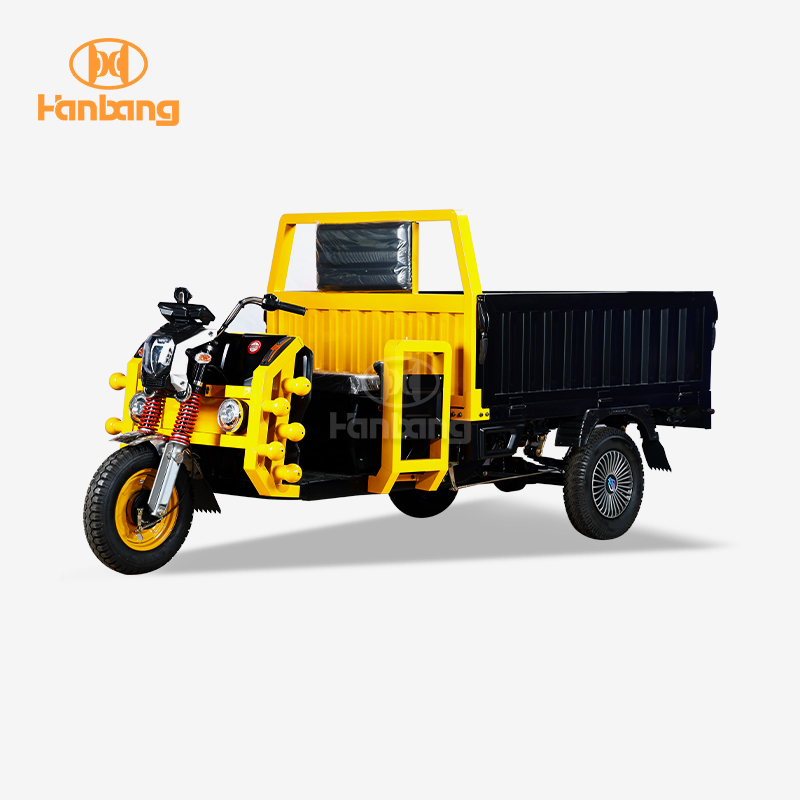
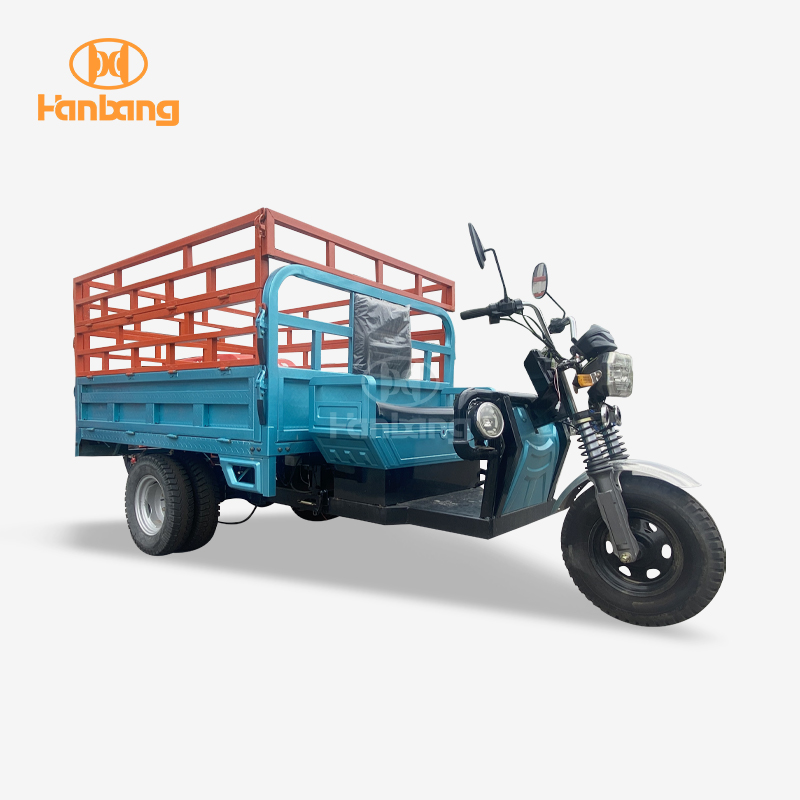
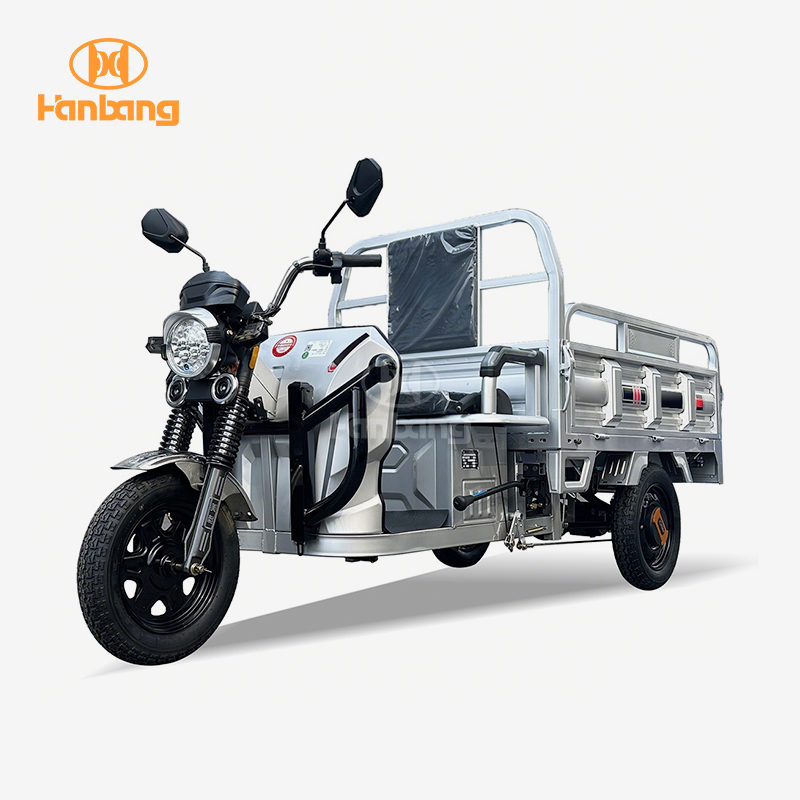
The second explanation is the word "dual-purpose". An SME that hauls parcels till midday, and transports a crew or family in the afternoon, often runs two vehicles. One ZHANHU 160 does both jobs on one chassis, one insurance policy and one charging point.
Cargo Box for the Morning Run, Passenger Seat for the Evening Run
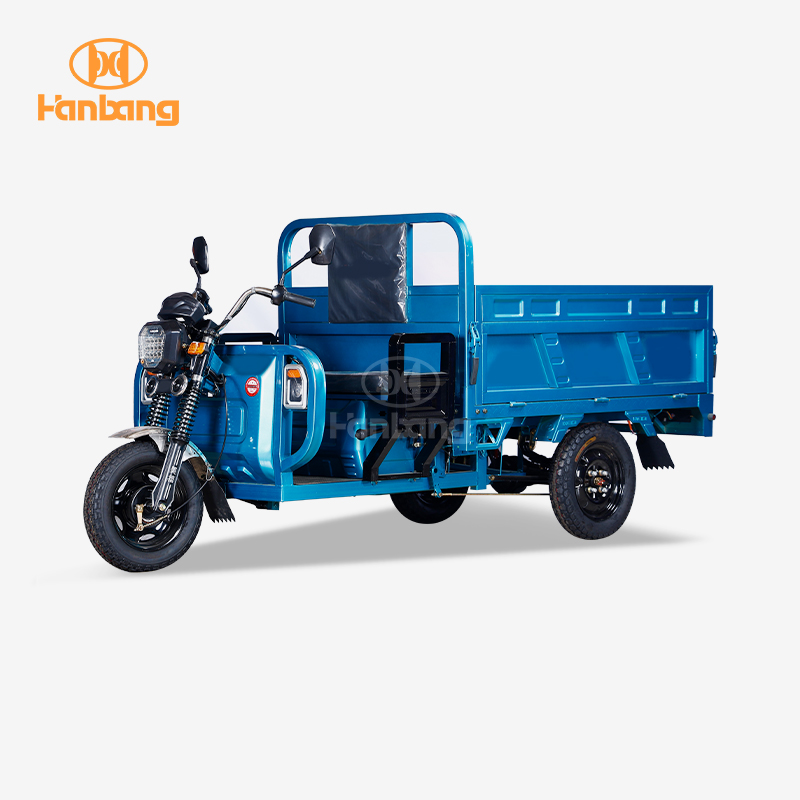
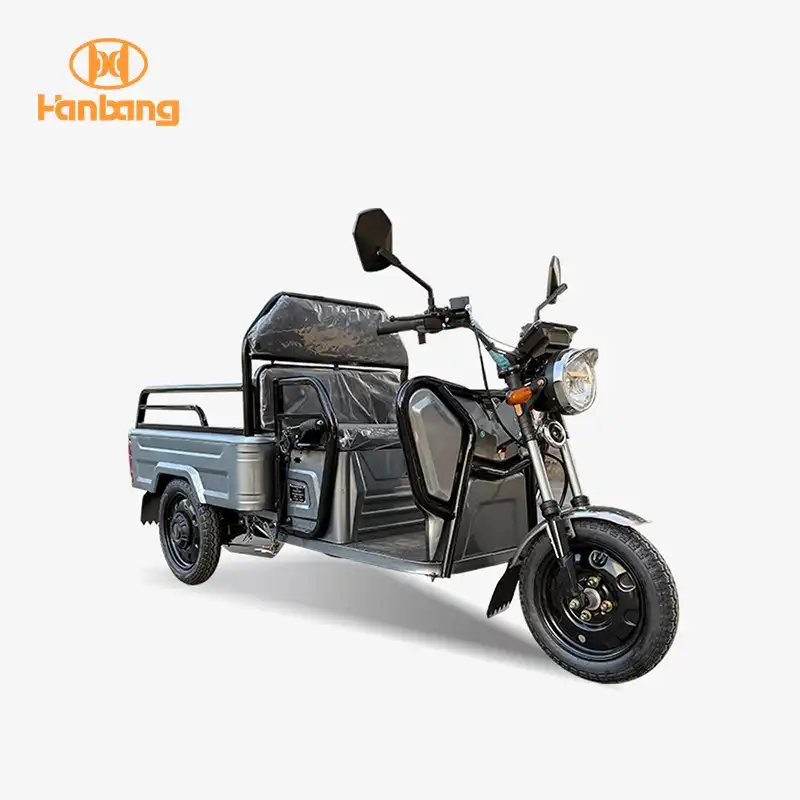
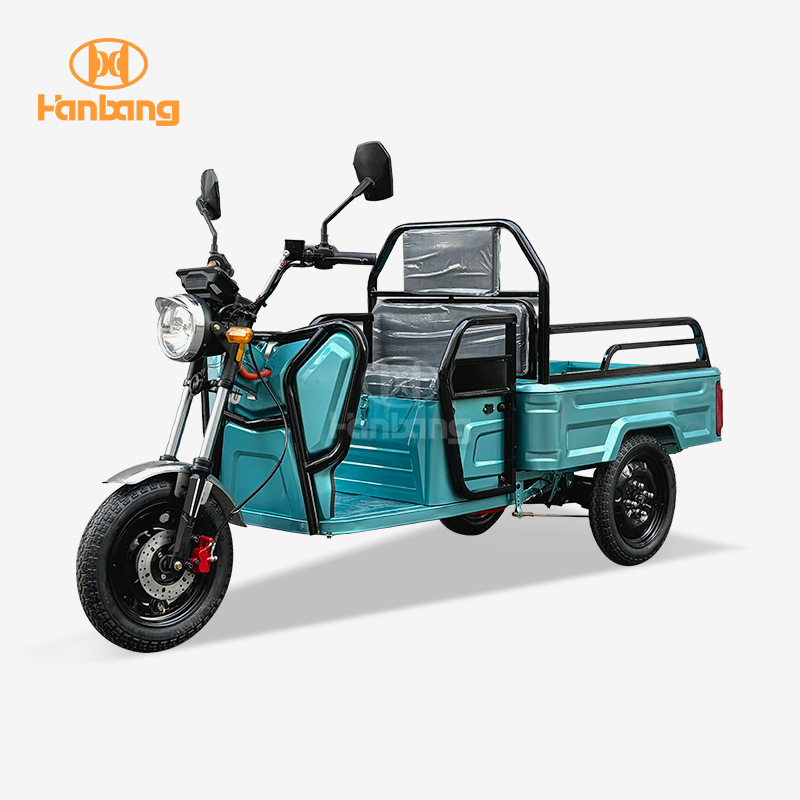
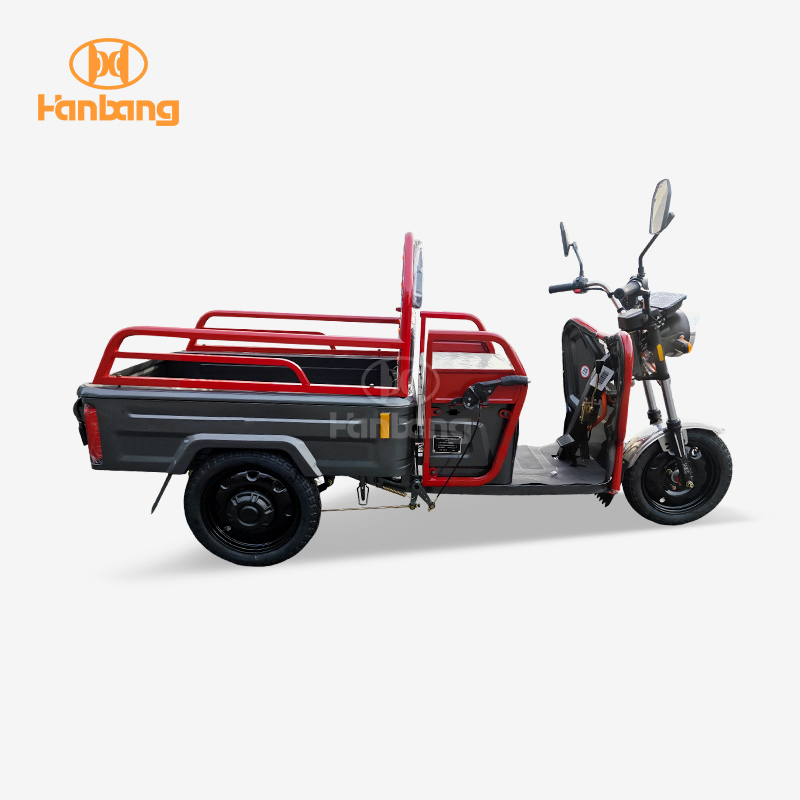
The electric Tricycle has dual-purpose switches between roles since the platform comes with a 1.6×1.1 m freight box and a passenger-capable rear segment on the same 160 full-floating rear axle. Hanbang builds the box in removable configurations, so the same vehicle that transports fruit boxes on the morning run takes staff or family on the evening run without a workshop stop.
Range and Speed That Cover a Full Last-Mile Shift
Thanks to its 1000W motor and top speed of 45 km/h, the trike is classified as a light vehicle, and as such, most EU municipal rules consider it an urban delivery vehicle rather than a motorbike, which makes registration easier for the SME in the countries where it operates. 70 to 80 km range is a full last mile shift, including the return leg. The overnight charge resets the route, no need for a noon charging stop.
Customization That Fits the SME's Own Brand
Customisation closes the gap between a catalogue vehicle and the SME’s own operation. Hanbang’s R&D team can change cargo box size, motor power, colour and the customer’s logo, and the Meidi export desk enters the confirmed spec into the one-page sign-off that the buyer’s side stamps before the production timer starts, on the same production line.
Why the Import Route Is Simpler Than SMEs Expect
The third cause is the import path. SME owners who imported machinery ten years ago recall the days of brokers, agents and six-week delays. A cargo trike order nowadays goes through fewer hands, and the paperwork that establishes the timeline is less than the buyer expected.
The 2026 FOB Price Range and the Sample Order Path
The reference FOB China range for this vehicle class in 2026 is USD 450 to USD 780 per unit at full-container quantity, including factory inspection and sea-worthy packing line. We will provide a sample order of 1 or 2 units to confirm the spec before the bulk PO. Hanbang’s production cycle is 25 working days from signed spec page, not from deposit.
Container Loading: Twenty Units on One Vessel Booking
The 3100×1180×1400mm envelope is the shortest in Hanbang’s cargo range, therefore with fully-assembled ZHANHU 160 units, container loading on a 40HQ fits around twenty units in normal packing. So, a 20-unit order is one vessel booking and the per-unit ocean freight share remains in the SME budget that was first specified.
Paperwork, Broker Filing and the Week the Container Clears
On the EU side, the paperwork goes through the commercial invoice, packing list, bill of lading and the per-VIN Certificate of Conformity [4]. The broker who has handled light electric cars before closes the paperwork in two working days. The SME who wins a trike shipment at Rotterdam or Hamburg registers it in the same week the container clears customs.
Conclusion
The economics, the dual duty cycle and the import route all add up for European SMEs importing an electric tricycle dual-purpose platform Electric Tricycle for last-mile deliveries. Two vehicles replaced by one chassis, shrinking energy and maintenance lines, 25-working-day production cycle, and the fleet is on the road inside a single quarter. The SME that walks the three reasons in order signs a statement that holds and the tricycle that fits the route gets the route.
FAQ
What does the ZHANHU 160 cost on a 2026 FOB basis?
USD 450 to USD 780 per unit in full container capacity. Factory inspection and sea-worthy packing included. A one or two unit sample order will check the spec before the bulk PO is signed.
How does the dual-purpose conversion work between cargo and passenger duty?
The platform features a 1.6×1.1 m cargo box on a 160 full-floating rear axle, and a passenger-capable rear segment. The box comes with removable configurations so the same vehicle changes roles without a trip to the workshop.
Can the ZHANHU 160 enter EU low-emission zones?
Yes. The electric powertrain puts the trike in the class which EU municipal rules treat as an urban delivery vehicle and therefore it enters LEZ districts in DE, NL, FR, ES and IT without the daily tax older diesel vans pay.
How many ZHANHU 160 units fit in one 40HQ?
About twenty fully-assembled units in standard packing, because the 3100×1180×1400mm envelope is the shortest in Hanbang's cargo range. A twenty-unit order lands on a single vessel booking.
How long does production take from the signed spec page?
25 working days from spec confirmation, no deposit. The cycle involves manufacture, quality testing and sea-worthy packing before booking the container.
Put a Dual-Purpose Trike on Your Route
By the second year, one dual-purpose tricycle costs less than a last-mile route with one diesel van and one second-hand pickup. The ZHANHU 160 is built on a 200 mu intelligent base in Jiangsu with four workshops covering stamping, welding, painting and final assembly, backed by five wholly-owned subsidiaries, one overseas investment company and the R&D and commercial teams that keep the spec sheet and export paperwork aligned to one VIN. Tell the Meidi export desk how many stops you make a day, your city's low-emission-zone rules and the size of the cargo box you need, and the desk writes back with a 2026 FOB quote, a sample slot and a delivery date. Contact the desk on nicole@xzmeidi.com. WhatsApp +86 13115031091. Begin with the route you do twice daily.
References
[1]Urban Mobility and Low-Emission Zones in European Cities. ELTIS — The Urban Mobility Observatory, 2025.
[2]Urban Mobility Policy and Access Regulations in European Cities. POLIS Network, 2025.
[3]Freight Transport Statistics and Last-Mile Delivery Trends. Eurostat, 2025.
[4]Urban Mobility and Sustainable City Logistics. CIVITAS Initiative, 2025.
Tell us your requirements – get a tailored quote and technical support within 24 hours.