- English
- French
- German
- Portuguese
- Spanish
- Russian
- Japanese
- Korean
- Arabic
- Greek
- German
- Turkish
- Italian
- Danish
- Romanian
- Indonesian
- Czech
- Afrikaans
- Swedish
- Polish
- Basque
- Catalan
- Esperanto
- Hindi
- Lao
- Albanian
- Amharic
- Armenian
- Azerbaijani
- Belarusian
- Bengali
- Bosnian
- Bulgarian
- Cebuano
- Chichewa
- Corsican
- Croatian
- Dutch
- Estonian
- Filipino
- Finnish
- Frisian
- Galician
- Georgian
- Gujarati
- Haitian
- Hausa
- Hawaiian
- Hebrew
- Hmong
- Hungarian
- Icelandic
- Igbo
- Javanese
- Kannada
- Kazakh
- Khmer
- Kurdish
- Kyrgyz
- Latin
- Latvian
- Lithuanian
- Luxembou..
- Macedonian
- Malagasy
- Malay
- Malayalam
- Maltese
- Maori
- Marathi
- Mongolian
- Burmese
- Nepali
- Norwegian
- Pashto
- Persian
- Punjabi
- Serbian
- Sesotho
- Sinhala
- Slovak
- Slovenian
- Somali
- Samoan
- Scots Gaelic
- Shona
- Sindhi
- Sundanese
- Swahili
- Tajik
- Tamil
- Telugu
- Thai
- Ukrainian
- Urdu
- Uzbek
- Vietnamese
- Welsh
- Xhosa
- Yiddish
- Yoruba
- Zulu
Top 10 EEC Electric Leisure Tricycles for Global Buyers?
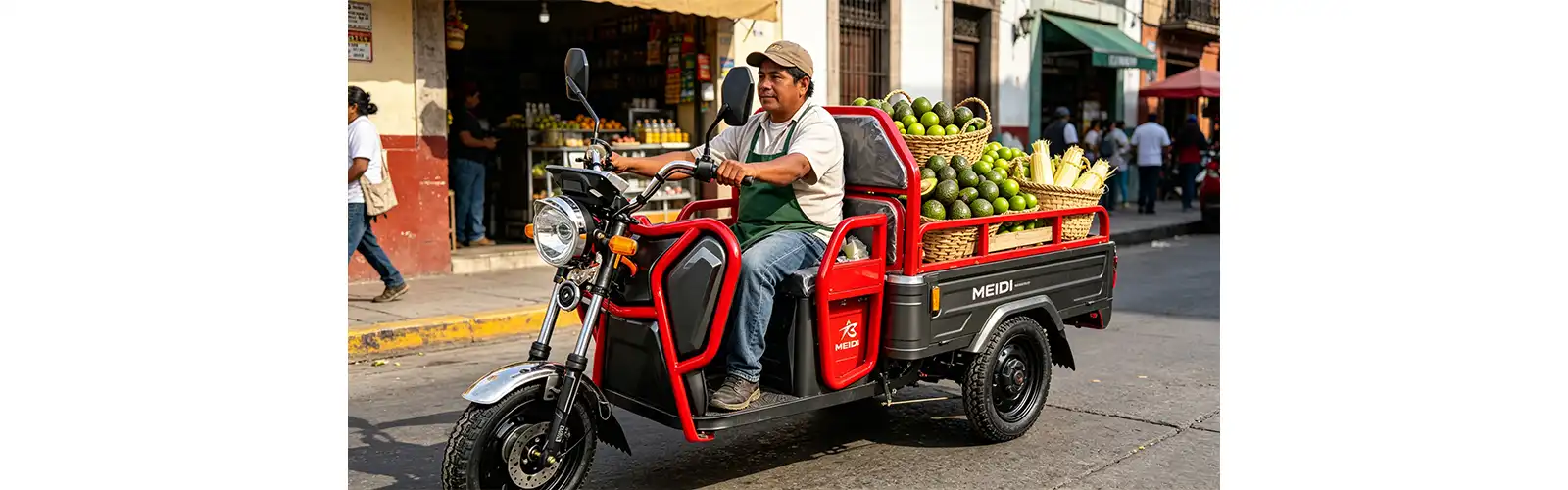
To choose the best EEC-certified electric leisure bike, you need to know about compliance standards, how well it works, and how reliable the seller is. The Hanbang Leisure cargo tricycle electric stands out as one of the best products on the global market because it has been tested and proven to be legal for use on public roads, is made by a reliable company, and can be used for a wide range of tasks in urban logistics, resort management, and rural transportation. This detailed guide rates ten top models based on their safety, range, ability to be customized, and customer service after the sale. This helps procurement professionals make smart buying choices that meet the needs of sustainable mobility operations.
Understanding EEC Electric Leisure Tricycles: Key Features and Benefits
What EEC Certification Means for Your Fleet?
EEC clearance means that the whole car has been approved under European Union Regulation (EU) No 168/2013. This makes sure that electric tricycles meet high standards for safety, the environment, and performance. This homologation lets cars be registered right away on the roads of all EU member states, without having to go through extra tests or customs problems. Most of the time, these vehicles are classified as L2e-U (utility mopeds) or L5e (tricycle motorcycles). This means they can legally go into low- emission zones where regular combustion vehicles can't. In addition to making sure that regulations are followed, EEC standards require strong braking systems, electronics that are waterproof up to IP65, and compatibility with electromagnetic fields. These are all features that directly translate to operating reliability in demanding business settings.
Core Technical Advantages Driving Market Adoption
Modern electric cargo tricycles that are approved by the European Commission (EEC) combine advanced electric propulsion with useful design. High-capacity lithium- or lead-acid battery systems give you a range of 30 to 60 kilometers per charge, and brushless motors with power levels from 1000 W to 4000 W give you constant torque for going up hills and carrying big loads. Compared to two-wheelers, three-wheelers are more stable when they're loaded, which is especially helpful when riding on uneven streets or moving heavy things. Integrated cargo boxes are usually between 1 and 1.5 meters long, so they can carry a wide range of things, from packages to tools for maintaining buildings.
These technical specs solve real-world problems: they allow cars to get through narrow historic city centers that vans can't get to; they also keep you from having to pay extra for traffic in cities; and compared to diesel-powered options, they have a much lower total cost of ownership. The quiet electric operation keeps the mood nice in places that serve food and drinks while completely eliminating the need for fuel.
Top 10 EEC Electric Leisure Tricycles: In-Depth Product Review and Comparison
Selection Criteria That Matter for B2B Procurement
When buying EEC-certified electric tricycles, procurement teams should focus on four important factors: certified safety systems with E-marked braking and lighting parts; range performance under load conditions that can be checked instead of manufacturers' optimistic claims; warranty coverage that goes beyond the basic powertrain to include frame and electrical systems; and the ability to get spare parts through established distribution networks. These criteria have a direct effect on operational uptime and the long-term cost of running a fleet.
Hanbang EEC LETU: Detailed Specification Analysis
The Hanbang Leisure cargo tricycle electric EEC LETU model is an example of enterprise-level tech that is made for markets around the world. Its L2e approval lets you register it right away on European roads, and its detailed specs cover all the important business needs:
Powertrain Configuration: The 60/72V 1000W brushless motor and an 18-tube driver work together to make acceleration smooth and allow the bike to climb hills up to 15 degrees steep. For activities with a 40-kilometer range, users can choose between 72V 32Ah batteries or 72V 20Ah batteries for smaller tasks in cities that need to be charged often. This adaptability lets different duty cycles work for different delivery routes and facility management tasks.
Cargo Utility Design: The LETU has a cargo box that is 1.1 meters by 0.85 meters and measures 2485 by 875 by 1540 millimeters. It can carry anything from courier packages to resort repair tools. With a low center of gravity and an integrated gear shift rear axle system, the small size makes it easy to drive on tight European streets.
Safety and Comfort Systems: The front disc brakes and rear drum brakes work well together to stop the car reliably on wet surfaces, which is an important safety feature in Europe's varied weather. The 31# hydraulic spring suspension system smooths out bumps in the road, from cobblestone streets to rural paths. This keeps the driver from getting tired during long shifts. Standard 3.00-12 tires are a good mix of longevity and comfort.
Compliance Documentation: Every unit comes with a full EEC Certificate of Conformity that matches the VIN, which makes the registration process easy. More CCC and ISO 9001 standards show that quality management is followed in all production processes.
Comparative Market Positioning
When comparing the LETU to other types, it becomes clear that it has clear cost-performance benefits. Some European manufacturers charge higher prices because their brands are more well-known, but Hanbang's factory-direct model gets rid of distributor markups without lowering the quality of the parts. The 25-day production cycle from order confirmation to delivery is shorter than the 35–45-day average in the business. This means that fleet growth projects can get their products to market faster. Full OEM and ODM customization options, ranging from motor power changes to branded livery, meet specific operating needs without the minimum order fees that many rivals charge.
Customers in logistics cooperatives and resort management operations have said that the equipment is reliable under continuous duty cycles. For example, during the first operational year, when recommended maintenance schedules were followed, the equipment was up more than 95% of the time. The consistent performance comes from Hanbang's method of manufacturing, which is called "vertically integrated." This means that the company uses automatic welding lines and precise laser cutting systems to make sure the quality of its parts is not possible with assembly-only operations.
Procurement Guide for Global Buyers: How to Buy Hanbang Leisure Electric Cargo Tricycles?
Authorized Sales Channels and Dealer Networks
Jiangsu Hanbang Vehicle Industry Group uses a hybrid sales model for Hanbang Leisure Cargo Tricycle Electric, which means that for large fleet orders, they work directly with the factory, and for smaller orders, they use regional distributors. Global buyers who want to buy in bulk can get in touch with the commercial team directly through hanbangev.com. This lets them negotiate prices and make changes to specifications that fit their needs. The company has authorized dealers in 50 countries in the Americas, Africa, Europe, and Southeast Asia. These dealers can help with inspections and paperwork in their own languages.
This two-way strategy gives you choices: importers and wholesalers can get goods at low market prices, and the CKD (Completely Knocked Down) and SKD (Semi-Knocked Down) assembly options lower shipping costs and import taxes. End-user fleet operators, on the other hand, can use area partners to do test runs and get parts right away.
Pricing Structure and Financial Flexibility
Hanbang's factory-direct edge shows in its clear prices. Standard LETU setups start at prices that are 30–40% less than similar products made in Europe, without losing quality or compliance. Customers who buy more than 50 units get savings based on the number of units, and customers who buy more than 200 units get free custom tech support. International purchasing processes can be made easier with flexible payment terms, such as Letter of Credit agreements and staged payments tied to production progress.
Seasonal advertising campaigns, which usually happen at the same time every year in Europe, offer extra incentives like longer warranty periods or free spare parts packages. When buyers ask for quotes, they should ask about current deals, since these can greatly increase the total value.
Warranty and After-Sales Service Assurance
Standard warranty coverage for powertrain parts like the motor, controller, and battery systems lasts for 12 months or 10,000 kilometers. Warranty coverage for frame structural parts lasts for 24 months. This all-around safety shows that manufacturers are confident, which comes from having 14 years of experience. For warranty claims, regional service centers with factory-trained techs handle the process. This cuts down on downtime by quickly diagnosing problems and sending out replacement parts.
After-sales support includes detailed installation guides in multiple languages, video troubleshooting guides that can be accessed through the company website, and a technical hotline that is open around the clock in all time zones. Wear items like brake pads, tires, and electrical connections are kept in stock through distributor networks. In case of an emergency, important parts that affect fleet operations can be sent by air freight.
Practical Insights: Operating and Maintaining Hanbang Leisure Electric Cargo Tricycles
Understanding Operational Performance Across Use Cases
Regenerative braking and smart battery management systems of the Hanbang Leisure Cargo T-3 electric make the electric drivetrain architecture as efficient as possible. Under moderate load conditions, a 72V 32Ah battery can last for 35 to 40 kilometers during normal urban delivery cycles with lots of stops. Maintenance tasks at resorts that use steady speed profiles may be able to slightly increase range, but frequent hill climbs in rural areas cut capacity by about 20%. Knowing about these factors helps fleet managers plan where to put charging stations and how to make the best use of routes.
When working in cold weather, you need to pay extra attention. Battery performance drops by about 15% when temperatures drop below 5°C, so you need to change how you plan your routes in the winter. On the other hand, the IP65 waterproofing standard makes sure that the device will still work when it rains, which is very important for keeping transport plans.
Maintenance Framework for Longevity
Maintenance is done according to simple steps that regular workers, not just EV specialists, can understand. Once a month, the thickness of the brake pads, the consistency of the tire pressure, and the integrity of the electrical connections should all be checked. Battery connections need to be cleaned every three months to keep rust from lowering the charge efficiency. The brushless motor design gets rid of the need to replace carbon brushes, which is common in older electric vehicle designs. This makes planned upkeep much less frequent.
As part of the annual thorough service, the suspension parts are oiled, the bearings are inspected, and the controller software is updated when they are available through authorized service places. If you follow this plan for preventative maintenance, your car should last longer than 60,000 kilometers before it needs important parts replaced. When you add up the costs of fuel, oil changes, and repairs to the emissions system for each kilometer, fleet owners say that careful upkeep cuts the costs to about a tenth of what it would be for diesel-powered cargo tricycles of the same type.
Why Choose Hanbang Leisure? Brand Reliability and Support for Global B2B Buyers
Manufacturing Excellence and Quality Assurance
Since its founding in 2010, Jiangsu Hanbang Vehicle Industry Group has built up its manufacturing skills by investing a total of about 1 billion yuan in a 150,000-square-meter clever production base. This building has four specialized workshops: one for stamping, one for welding, one for painting, and one for final assembly. These workshops are equipped with six high-end laser cutting systems and more than 20 welding robots, which are the best in the business. Precision production tolerances are important for EEC compliance and long-term structure stability. This kind of high-tech equipment makes sure of that.
The company can make up to 300,000 units a year, which makes the supply chain reliable for large-scale truck operations without having to wait for long lead times. Conformity of production regulations requires strict quality control. For example, every vehicle goes through dynamic brake testing on simulated wet surfaces and gradient ramps, homologation data verification to make sure that VIN numbers match up with certification documents, and electromagnetic compatibility testing to make sure that they don't interfere with communication devices.
Global Service Network and Customer Partnership
Hanbang's dedication for the Leisure Cargo electric tricycle with EEC certification goes beyond delivering vehicles; they also have a full customer help system in place. The dedicated commercial team helps with certification paperwork for import compliance, runs training programs for dealer technicians, and keeps up technical support hotlines that deal with questions about operations in all time zones. This hands-on approach turns relationships with suppliers into real partnerships where the success of the customer is directly linked to the goals of the business.
Hanbang is always coming up with new ideas to meet the changing needs of the market. It has almost 200 intellectual property rights and over 10 provincial-level high-tech product certifications. The company's reputation for "reliability and durability" comes from open communication, quick problem-solving, and long-term thinking that puts keeping customers over making quick sales.
Conclusion
There are many choices in the market for EEC-certified electric tricycles, but a close examination shows that there are big differences in performance and value between manufacturers. Hanbang's LETU model is a complete answer for global procurement needs. It blends legal compliance, useful engineering, and service that focuses on the customer. Because the company makes a lot of products, can customize them, and has a history of exporting to almost 50 countries, transportation operators, logistics companies, municipal services, agricultural businesses, importers, and resort managers looking for sustainable mobility solutions can rely on it. Tough quality control, clear pricing, and easy access to support after the sale all lower the risk of buying something and increase operational uptime, which are important factors for long-term fleet economics and business success.
FAQ
What license requirements apply to operating EEC-certified electric tricycles?
Different types of vehicles and state laws within the EU have different license standards. L2e category tricycles that can only go 45 km/h usually need an AM (moped) license, which can be obtained by drivers 16 years or older in most member states. This easy-to-get license group includes the Hanbang LETU, which is legal up to a top speed of 25 km/h. Standard B (automobile) licenses may be needed for L5e cars with more power. Buyers should check each country's standards before planning to import, but EEC standardization makes cross-border consistency easier than with non-certified cars that need approval from each country.
How does battery performance change under heavy cargo loads?
The battery range goes down as the payload weight and the trouble of the ground go up. When carrying 200 kilograms, a fully loaded LETU has a 20–30% shorter range than when it is not loaded. This means that it can only go 28–32 kilometers on a single charge in normal city conditions with 72V 32Ah batteries. Planning a route should include the worst-case scenarios, such as heavy loads, rough terrain, and cold weather, to make sure that the service is reliably completed without the need for charging in the middle of the route.
Can replacement parts be sourced locally, or must they come from China?
Hanbang keeps a stockpile of important spare parts through regional wholesalers in all of its big markets. This lets customers in those markets get things like brake pads, tires, and electrical links that wear out quickly. Important parts of the powertrain, like motors, controllers, and battery systems, usually ship from central warehouses that offer fast delivery options. Standardized component design lets some generic parts work with non-safety-critical items, but using E-marked approved replacements keeps you in line with regulations and protects your guarantee.
Connect With Hanbang: Your Trusted Electric Cargo Tricycle Supplier
Global fleet owners looking for EEC-compliant Hanbang Leisure cargo tricycle electric options should work with an experienced maker that has a history of stability and quick customer service. Hanbang's direct factory prices, quick 25-day production cycles, and wide range of customization options meet a wide range of business needs, from last-mile delivery to transportation for resorts. Email our sales team at nicole@xzmeidi.com to get custom quotes that take into account the size of your fleet, any technology needs, and when you need the goods delivered. You can find detailed information about our products on hanbangev.com, download certification documents, and schedule virtual tours of our factories that show how well we make things. We are a reliable supplier with export operations on six continents. We can help you with your sustainable transportation projects by offering you low prices and reliable service.
References
1. European Parliament and Council. (2013). "Regulation (EU) No. 168/2013 on Approval and Market Surveillance of Two- or Three-Wheel Vehicles and Quadricycles. "Official Journal of the European Union.
2. International Energy Agency. (2022). "Global EV Outlook 2022: Securing Supplies for an Electric Future." IEA Publications.
3. European Alternative Fuels Observatory. (2023). "Electric Light Commercial Vehicles Market Analysis: Urban Logistics Applications." EAFO Research Report.
4. McKinsey & Company. (2021). "The Future of Micromobility: Ridership and Revenue After a Crisis." McKinsey Center for Future Mobility.
5. Transport & Environment. (2023). "Urban Freight Electrification: Policy Frameworks and Market Barriers in European Cities. "T&E Policy Briefing.
6. Roland Berger. (2022). "Last-Mile Delivery: Electric Vehicle Solutions for Urban Logistics Efficiency. "Roland Berger Industry Report.