- English
- French
- German
- Portuguese
- Spanish
- Russian
- Japanese
- Korean
- Arabic
- Greek
- German
- Turkish
- Italian
- Danish
- Romanian
- Indonesian
- Czech
- Afrikaans
- Swedish
- Polish
- Basque
- Catalan
- Esperanto
- Hindi
- Lao
- Albanian
- Amharic
- Armenian
- Azerbaijani
- Belarusian
- Bengali
- Bosnian
- Bulgarian
- Cebuano
- Chichewa
- Corsican
- Croatian
- Dutch
- Estonian
- Filipino
- Finnish
- Frisian
- Galician
- Georgian
- Gujarati
- Haitian
- Hausa
- Hawaiian
- Hebrew
- Hmong
- Hungarian
- Icelandic
- Igbo
- Javanese
- Kannada
- Kazakh
- Khmer
- Kurdish
- Kyrgyz
- Latin
- Latvian
- Lithuanian
- Luxembou..
- Macedonian
- Malagasy
- Malay
- Malayalam
- Maltese
- Maori
- Marathi
- Mongolian
- Burmese
- Nepali
- Norwegian
- Pashto
- Persian
- Punjabi
- Serbian
- Sesotho
- Sinhala
- Slovak
- Slovenian
- Somali
- Samoan
- Scots Gaelic
- Shona
- Sindhi
- Sundanese
- Swahili
- Tajik
- Tamil
- Telugu
- Thai
- Ukrainian
- Urdu
- Uzbek
- Vietnamese
- Welsh
- Xhosa
- Yiddish
- Yoruba
- Zulu
5 Reasons to Consider an Cargo Electric Tricycle for Everyday Use
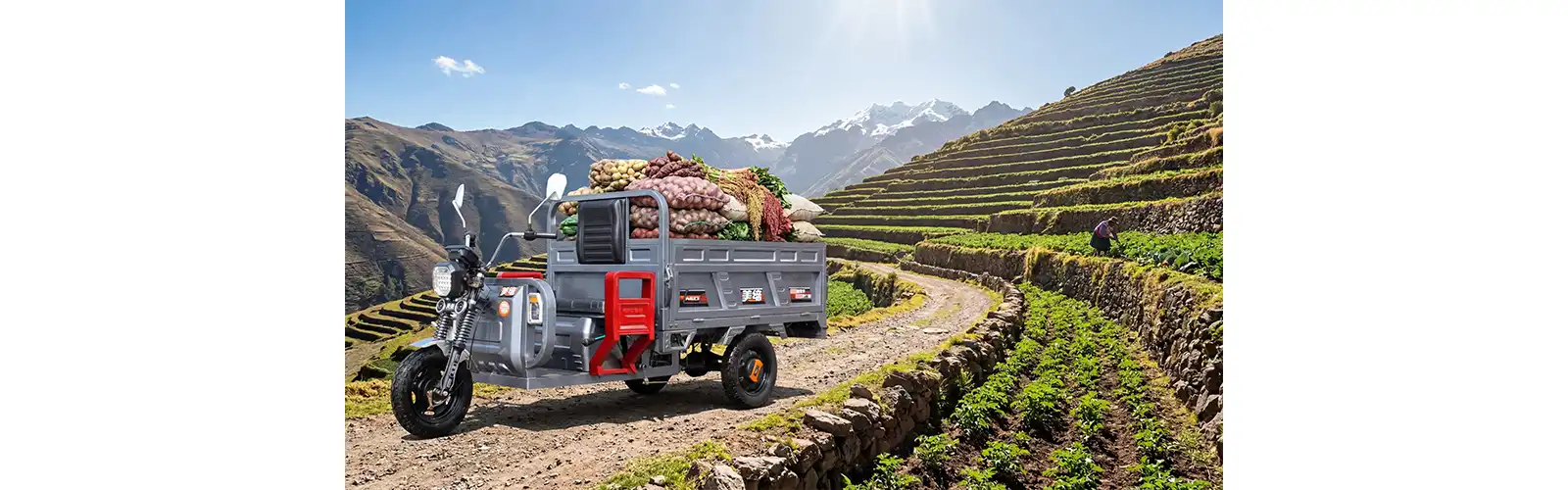
Hanbang cargo electric tricycle types like the ZHANLONG 160 are great choices for businesses that need reliable transportation that doesn't cost a lot of money. These three-wheeled vehicles have strong cargo capacities and efficient electric powertrains. They are designed to meet the needs of transport companies, farming businesses, city services, and small-scale wholesalers. Because they can get through tight urban areas without putting out any pollution, they are becoming more useful in a wide range of operating situations around the world.
Exceptional Performance and Specifications Tailored for Business Needs
Powerful Motor and Extended Operational Range
There are two power settings for the ZHANLONG 160's 1000W motor: 60V or 72V. This gives it freedom based on the terrain and load needs. This motor has enough torque to get through unpaved country roads, mild hills, and stop-and-go traffic in cities without losing any economy. With a 60V 52Ah battery system, the car has a useful range of 70–80 kilometers per charge, so drivers can make multiple short-haul trips or full-day delivery routes without stopping.
This range standard directly handles practical issues that courier services and market vendors have, like needing to know when vehicles will be available. The sophisticated 18-tube controller manages power and heat well, so there is less chance of burning when used for a long time in tough circumstances.
Robust Load Capacity and Structural Integrity
The three-wheeled electric vehicle has a cargo box that is 1.6 meters by 1.1 meters and can hold large amounts. It can be used to move farm products, building materials, packages, or trash from the city. The strengthened steel frame is put through load-bearing stress tests at 1.5 times its stated capacity. This makes sure that the structure will hold up in real-life business situations. This strict testing method makes sure that the chassis stays stable even when it's going over rough ground or hitting an unexpected object.
The vehicle's total measurements—3085mm long, 1180mm wide, and 1400mm high—achieve a good mix between space for cargo and ease of movement. Larger vans can't go down tight alleyways or into private areas, but smaller vans can. This means that operators can provide better service to more areas without losing payload efficiency.
Advanced Safety and Braking Systems
In business car design, safety is still the most important thing. The ZHANLONG 160 has front and back drum brakes that were designed to meet strict stopping distance standards when the vehicle is fully loaded. Braking distance approval tests make sure that the brakes work reliably in a range of weather conditions, like rainy or dusty conditions that are common in building and farming.
The 37# exterior spring shock absorption system keeps vibrations from getting into the storage area as much as possible, keeping fragile items safe while they're being transported. Front 3.75-12 tires are wear-resistant and anti-slip, and the rear 4.00-12 tires are the same. These tires can handle a range of road surfaces, from smooth asphalt to gravel walks, and keep their grip and control throughout the working cycle.
Streamlining Daily Operations: Benefits of Using Hanbang Cargo Electric Tricycles
Significant Cost Reduction Through Electric Operation
Using Hanbang cargo electric tricycles can help streamline daily tasks. Changing from internal combustion engines to electric powertrains changes the economics of operations in a big way. The cost of electricity per kilometer is usually a small part of the cost of oil or diesel, especially in places where charging stations are already set up. This difference in cost adds up quickly for fleet owners who are in charge of many cars, saving them a lot of money over the course of a year.
When electric drivetrains are used, they require a lot less maintenance. Downtime and staff costs are cut because there is no need for oil changes, spark plug replacements, exhaust system repairs, or difficult transmission service. The ZHANLONG 160 is designed so that its parts are easy to get to. This means that regular maintenance and checks can be done without special tools or a lot of technical knowledge.
All of these things lower the total cost of ownership, which means that companies can spend their money on things like growing their fleets or improving their services instead of maintaining their vehicles. Electric cargo tricycles are great for small businesses and wholesalers in developing markets that want to gain a competitive edge in their operations because they pay for themselves quickly.
Enhanced Maneuverability in Complex Urban Environments
Traditional cargo trucks have a hard time getting around in crowded city areas. Three-wheeled electric tricycles have a small footprint that makes them easy to get through tight roads, residential areas, and busy market districts where bigger trucks can't work well. This flexibility directly leads to shorter delivery times and bigger business areas.
Logistics companies that work in cities with lots of people can put distribution hubs closer to final delivery places, which cuts down on the distance needed for last-mile completion. Food delivery platforms and transport services like this feature a lot because it speeds up deliveries during busy times and cuts down on wait times for customers.
The zero-emission process makes sure that stricter environmental rules in cities are followed. Many towns now have low-emission zones that make it harder for diesel and gasoline cars to get in and out. Electric tricycles get around these rules, keeping operations going while also helping with air quality efforts in cities.
Quiet Operation Supporting Community Relations
Noise pollution is an issue that isn't given enough attention when business vehicles are operating. When deliveries happen early in the morning or late at night, traditional engines make a lot of noise that can be annoying to people who live nearby. The ZHANLONG 160's electric motor is very quiet, so it can be used for long periods of time without bothering people nearby.
This quality is useful for cleaning teams in cities that pick up trash, resort owners who make sure guests get where they need to go, and farmers who work near household areas. The smaller noise footprint helps build good relationships with the neighborhood and gives operators more options than with regular cars.
Proven User Satisfaction and Real-World Performance Evaluations
Verified Performance Across Diverse Operational Contexts
High quality trike cargo electric tricycle models have been used in almost 50 countries in the Americas, Africa, Europe, and Southeast Asia, gathering a lot of useful operating data. This wide range of locations subjects the cars to different weather conditions, road building standards, and driving habits, showing that they are flexible and dependable.
Logistics workers in South American markets say that the products work consistently in humid tropical conditions, and sellers in Africa say that the products last even when they are exposed to direct sunlight and dust. European city services show that the batteries work reliably in the winter, showing that their performance is stable across a wide range of temperatures. This real-world validation gives buying workers proof that vehicles will last a long time.
Feedback from customers always comes back to the balance between load capability and energy economy. Agricultural users carrying harvested crops like the mix of torque delivery and range, which eliminates the worry that lower-spec electric vehicles cause when their power runs out in the middle of a route.
Comprehensive Maintenance Support and Technical Guidance
Hanbang's commitment goes beyond delivering vehicles; they also offer thorough repair plans that are meant to make parts last as long as possible. Battery management systems have built-in protections against overcharging and deep discharging, which keeps cells intact throughout their useful lives. Operators follow detailed maintenance schedules during regular checks, which makes sure that problems are found early and fixed without having to pay a lot of money.
The company has a network of approved dealers around the world that can help with technical issues, get extra parts, and handle insurance claims. This infrastructure solves a major problem for foreign buyers who are worried about getting help after the purchase. Regional service centers keep fleets productive and build long-term ties with customers by reducing the time that vehicles aren't working.
Technical paperwork includes troubleshooting tips, specs for parts, and suggestions for improving performance that are specific to the job. This resource library gives in-house repair teams the tools they need to do regular service tasks on their own, which cuts down on the need for outside service providers and keeps running costs low.
Strategic Advantages: Making Hanbang Your Preferred Supplier
Manufacturing Excellence and Quality Assurance
The clever production center that Jiangsu Hanbang Vehicle Industry Group runs is 150,000 square meters and has the latest manufacturing technologies. Six laser cutting units make sure that precise parts are made, and two clever robotic welding lines make sure that the quality of the weld seams stays the same no matter how many are made. This software cuts down on mistakes made by people and makes sure that the structure is safe enough to meet ISO 9001 approval standards.
The factory can make 300,000 units a year, which shows that it can grow to meet the needs of big fleet owners and area wholesalers. Standardized production cycles that last an average of 25 working days make delivery dates more reliable, which makes it easier to plan for fleet growth and make operational budgets. With made-to-order manufacturing, buyers get vehicles that were just put together with parts that meet the latest standards. This is better than getting vehicles that are sitting in a building.
As part of strict quality control procedures, waterproofing is checked in a rain room, which confirms that electrical parts meet IP67 closing standards. This set of tests proves that the system will work reliably during monsoon seasons, humid coastal areas, and farm irrigation settings where water contact is unavoidable.
Flexible Procurement Options and Customization Capabilities
Hanbang has a specialized research and development team that helps with a lot of car customization to meet specific operational needs. Sizes of cargo boxes, rates for how much weight they can hold, motor power requirements, and design features can all be changed to suit customer needs. For regional distributors building a brand name or operators needing custom setups for niche uses, this freedom is very helpful.
Bulk purchase programs offer cheap price based on economies of scale, which lowers the cost per unit for big orders. Attractive financial options work with a range of budgets, making fleet electricity easier for companies that care about the environment but don't have a lot of money. Strong guarantee coverage lowers the risk of buying something by protecting you financially against problems with the manufacturing process or failed parts.
The streamlined export operations process includes help with paperwork, clearing customs, and coordinating shipping to meet the needs of the places where the goods are going. This all-in-one service gets rid of the paperwork problems that often slow down foreign deals. This speeds up delivery times and makes it easier for buyers from other countries to handle paperwork.
How to Make an Informed Investment in Cargo Electric Tricycles?
Evaluating Long-Term Value Beyond Initial Purchase Price
Lifecycle cost analysis compares the initial costs of buying something with the total costs of running it over its predicted lifetime. This helps with purchasing choices. High quality trike cargo electric tricycles may cost more at first than normal gasoline tricycles, but the difference is usually gone in two to three years because the bikes use less gas and need less upkeep.
To figure out the total cost of ownership, you have to take into account things like electricity rates, when to change the batteries, how fast the tires wear, and your insurance fees. The ZHANLONG 160 has a range of 70 to 80 kilometers and is built to last. This makes it a cost-effective option for operations with regular daily trips and charging stations at base sites.
Environmental effect measures are being used more and more in procurement reviews by companies that care about sustainability. Zero vehicle emissions help companies meet their carbon reduction goals, which could lead to government benefits, tax credits, or special treatment in the public contract bidding processes that are common in North American and European markets.
Strategic Fleet Integration Through Phased Implementation
Changing whole lines of regular cars to electric cars at the same time is risky from a practical point of view. Pilot projects that use a small number of vehicles let companies test how well they work in certain operational situations before deciding to use them on a big scale. This method finds possible infrastructure needs, like where to put charging stations or how to increase electricity capacity, without stopping normal business operations.
Phased rollouts allow for training growth, making sure that drivers and repair workers get used to the features of electric vehicles over time. This adjustment for the learning curve keeps operations running smoothly and boosts the company's trust in adopting new technology. Early deployment feedback shapes later procurement requirements, making sure that car configurations are more in line with real usage trends than with theoretical predictions.
Partnerships with experienced electric car providers like Hanbang make the switch go more smoothly by providing technical advice, training programs for operators, and ongoing support services. When people work together, buying vehicles goes from being a one-time deal to a long-term partnership that helps the business reach its goals.
Conclusion
For many business uses, cargo electric tricycles are a useful option, from moving goods around cities to moving goods between farms. The Hanbang ZHANLONG 160 is a good example of this type of vehicle because it has reliable performance specs, strong build quality, and good operating economics that support electric propulsion over traditional options. With extensive manufacturer support infrastructure and real-world proof across global markets, these cars meet important business needs while also helping to reach environmental sustainability goals. Procurement professionals looking at ways to update their fleets will find that adopting electric tricycles is a great option, especially if they work with well-known makers who offer customization options and technical support after the sale.
FAQ
What daily range can operators realistically expect from the ZHANLONG 160?
When used normally, with moderate loads and a variety of terrain, the car regularly goes 70 to 80 kilometers on a single charge. Range depends on things like the weight of the goods, the terrain of the road, the temperature outside, and how you drive. Regular charging schedules allow operators to finish full-day delivery routes without stopping to recharge in the middle of the shift, which supports continuous production.
How does maintenance compare with gasoline-powered cargo tricycles?
Internal combustion engines need a lot more upkeep than electric drivetrains. Checking the tire pressure, checking the brake system, and cleaning the electrical connections are all routine chores. Since oil changes, fuel filter replacements, and exhaust fixes don't have to be done as often or for as much money, the total cost of ownership is much cheaper.
Can the vehicle handle steep gradients when fully loaded?
The 1000W motor and built-in gear shift on the back axle provide enough power to handle mild slopes, even when the payload capacity is at its highest. The vehicle can handle normal urban hills and rural terrain met in business operations without any problems, but how well it does on very steep slopes varies on the conditions of the route.
What charging infrastructure is required?
The ZHANLONG 160 has standard power plugs, which makes it easier to set up charging infrastructure. Using regular power sources, full charge cycles usually finish in 6 to 8 hours. This means that overnight charging at business facilities is a good option for most operating plans.
Partner With a Trusted Hanbang Cargo Electric Tricycle Manufacturer
Getting the right provider is the first step in updating your business fleet. Hanbang offers customizable electric cargo solutions backed by full technology support. They blend high-quality manufacturing with quick response times to customer needs. Our ZHANLONG 160 model has been proven to be reliable in tough working settings. It helps businesses gain a competitive edge through environmentally friendly and efficient transportation.
Contact our team at nicole@xzmeidi.com to discuss your specific requirements and receive detailed quotations tailored to your operational needs. Whether you're in charge of delivery services in cities, farms, or city teams, our experts will help you choose the right vehicles, figure out how to customize them, and buy them. Visit hanbangev.com to see all of our products and learn why businesses around the world choose Hanbang as their long-term provider for Hanbang cargo electric tricycles.
References
1. International Energy Agency (2023). Global Electric Vehicle Outlook: Commercial Applications in Emerging Markets.
2. World Bank Group (2022). Sustainable Urban Mobility: The Role of Electric Light Commercial Vehicles in Last-Mile Logistics.
3. United Nations Environment Programme (2023). Zero-Emission Freight Solutions: Case Studies from Developing Economies.
4. American Society of Mechanical Engineers (2022). Lifecycle Cost Analysis of Electric vs. Internal Combustion Commercial Vehicles.
5. Journal of Cleaner Production (2023). Environmental and Economic Assessment of Electric Tricycles in Urban Freight Distribution.
6. Transportation Research Board (2022). Electric Cargo Vehicles: Performance Evaluation in Real-World Commercial Operations.